Day of the Dead Food: Traditional Dishes and Recipes
When and how is it celebrated?
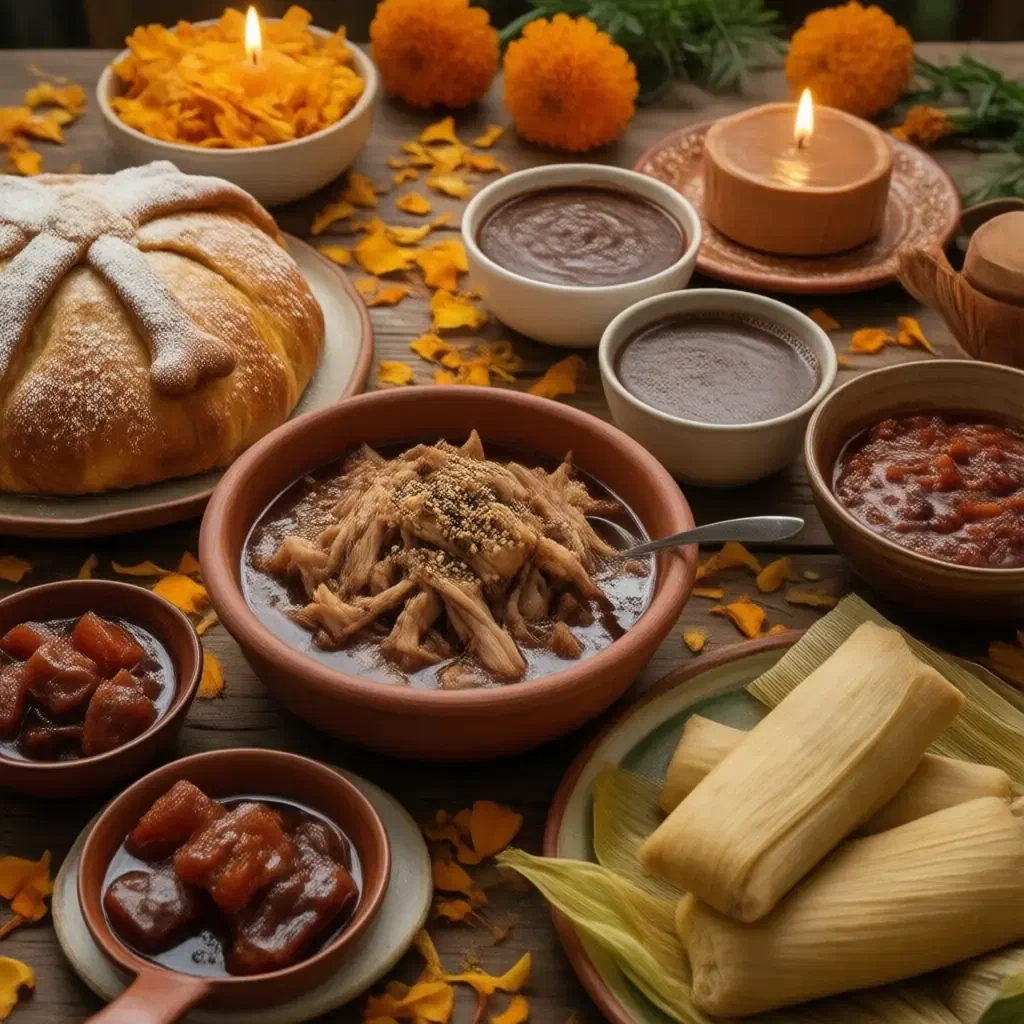
The celebration takes place at the start of November and is linked to All Saints’ Day and All Souls’ Day. On 1 November people mainly remember children who have died, and on 2 November adults. Many families set up the ofrenda as early as late October, a tiered altar with photos, candles, copal, cempasúchil flowers and food. A glass of water stands ready for the guests, who arrive thirsty after a long journey, along with salt for purification. In many places people spend the night in the cemetery, decorate the graves and eat together there. UNESCO added the tradition to its list of Intangible Cultural Heritage in 2008. Customs vary widely from region to region, and in Yucatán the festival is called Hanal Pixán.
What is on the table?
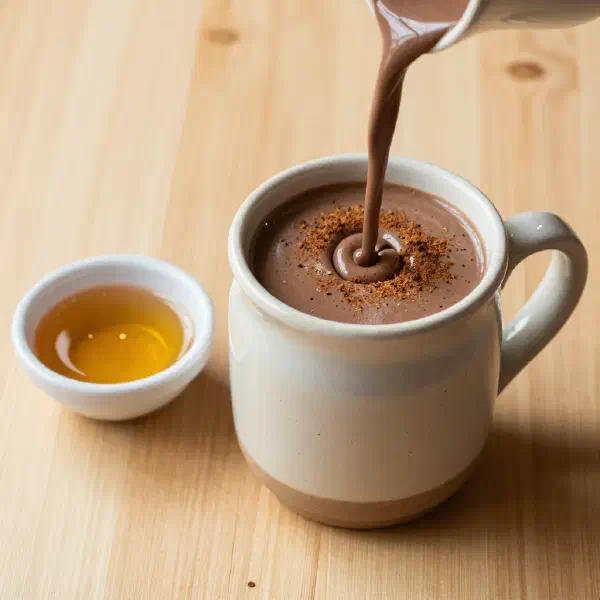
A fixed part of every ofrenda is Pan de Muerto, a round yeast bread scented with orange blossom. The crossed strips of dough on top stand for bones, and the ball in the middle for the skull. Next to it lie sugar skulls, often bearing the name of the person who has died. The main dish is whatever the dead liked to eat in life, very often Mole Poblano with chicken or turkey. In Oaxaca it is more likely to be the dark Mole Negro. There are also Tamales, steamed in corn husks, which keep well for a few days. Sweet and typical of the season is Calabaza en Tacha, pumpkin in piloncillo syrup with cinnamon. During the cold night in the cemetery, people drink hot Champurrado, a thick corn drink with chocolate.
Tips for your own festive meal
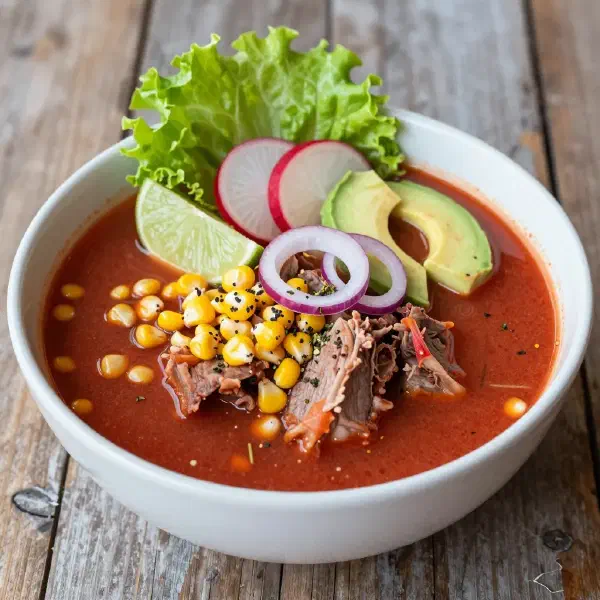
Bake the pan de muerto the day before. After a night in a tin it tastes even more rounded. Mole poblano takes work, but it is easy to cook in a larger batch and freeze. For a manageable menu, mole with chicken and rice is enough, with Pozole Rojo as a starter and calabaza en tacha to finish. A mug of Atole de Chocolate goes well with the bread.