Diwali Food: Traditional Dishes and Recipes
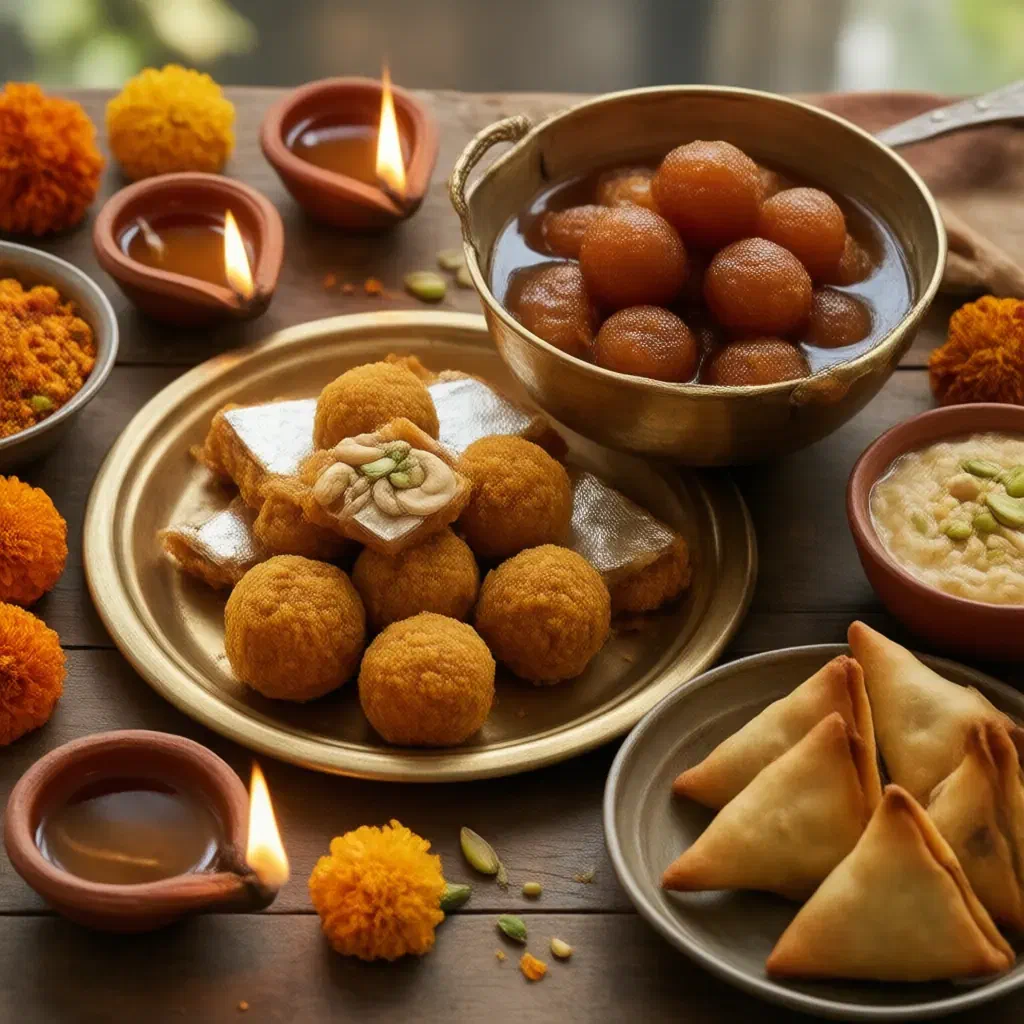
When and how is it celebrated?
Diwali follows the lunar calendar and usually falls between mid-October and mid-November. The main day is the new moon in the month of Kartik. Hindus above all honour the goddess Lakshmi and the return of Rama to Ayodhya, while Sikhs and Jains mark their own days of remembrance on the same date. The festival spans five days. On the first, people traditionally buy metal or kitchenware, and the main day brings Lakshmi Puja, lamps and fireworks. Before that, the house is cleaned thoroughly. Families and neighbours exchange boxes of mithai, sweets made from milk, gram flour, nuts and ghee. In Nepal the festival is called Tihar.
What is on the table?
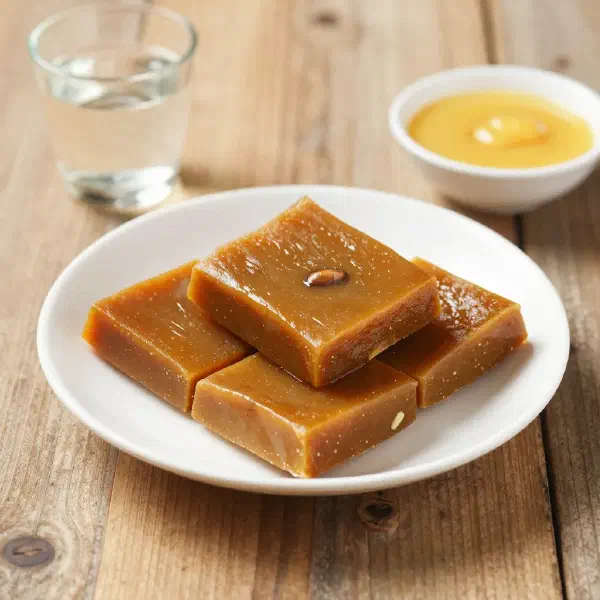
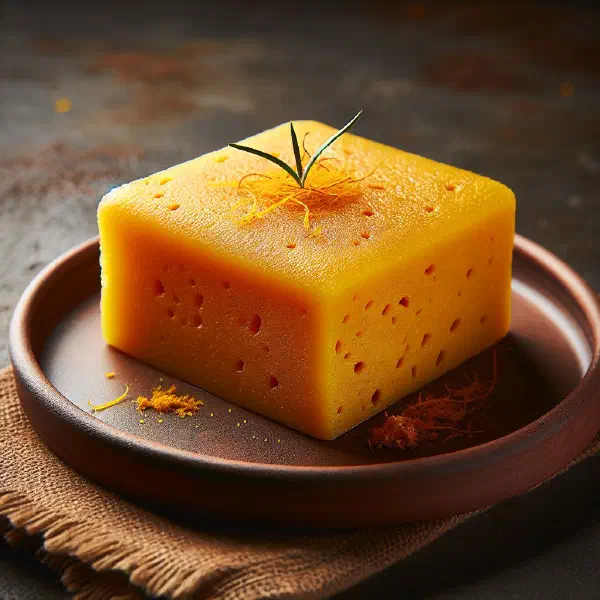
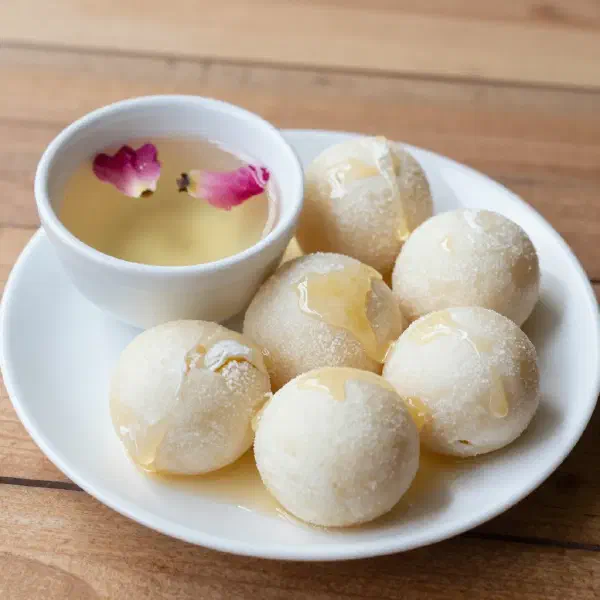
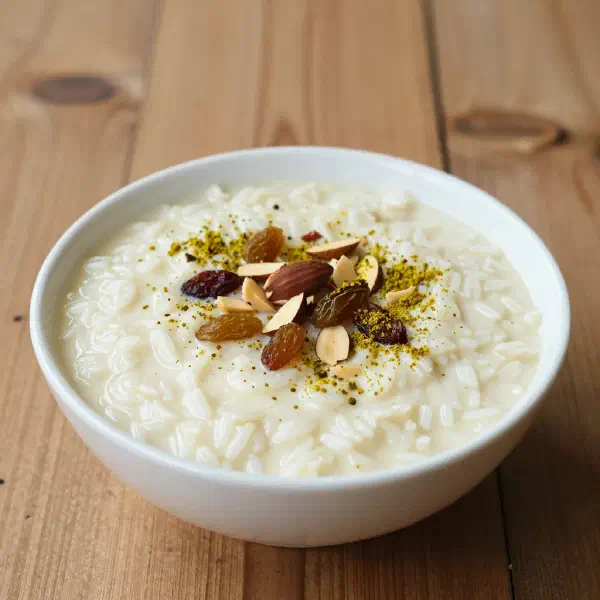
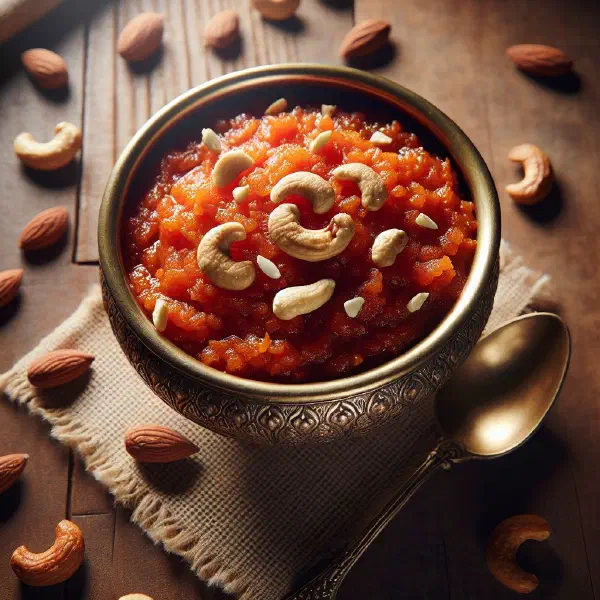
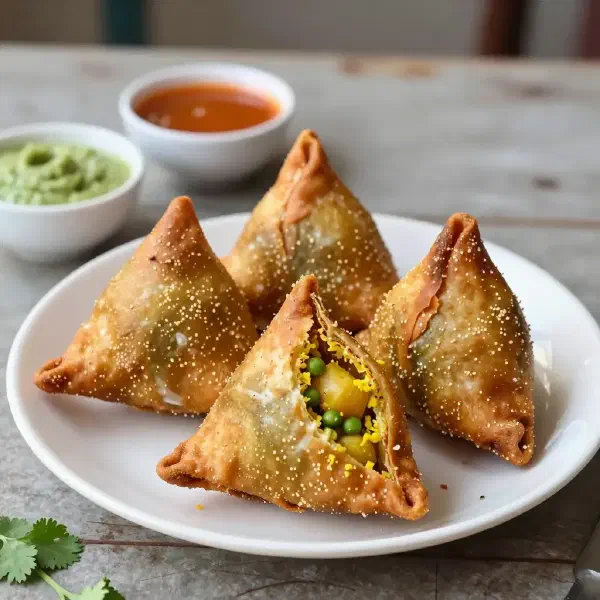
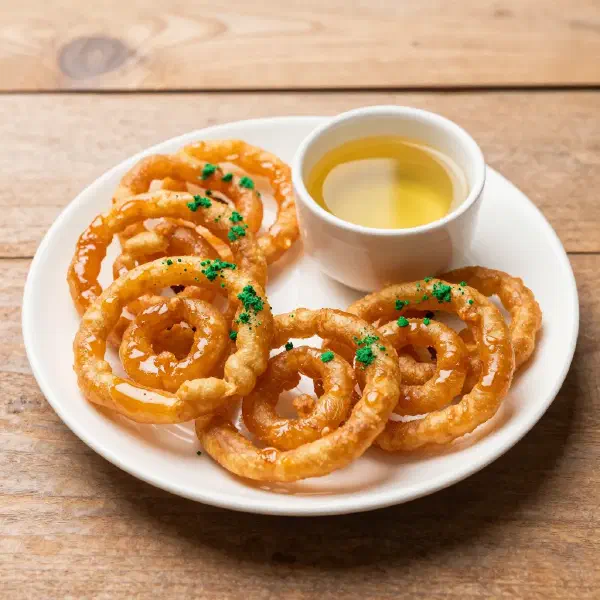
Hardly any household gets through the festival without besan ladoo. These balls of roasted gram flour, ghee and sugar keep for a good two weeks, which makes them ideal as gifts. Just as popular is Kaju Katli, diamond-shaped cashew sweets, often topped with edible silver leaf. Gulab jamun are deep-fried milk balls in rose and cardamom syrup, eaten warm or at room temperature. Then there is barfi, and Mysore Pak from South India, which takes on a porous, slightly crumbly texture as it cools. Because there are so many sweets in the house, savoury snacks such as samosa, kachori or namkeen balance things out. For Lakshmi Puja, many families cook kheer, a rice pudding with cardamom, as an offering.
Tips for your own festive meal
Start with the sweets, because ladoo and kaju katli can be made three to four days before the festival. On the day itself, a vegetarian menu is enough, as is usual in many families: Samosa as a starter, then Paneer Butter Masala with rice or flatbread, and gulab jamun to finish. Many Hindus leave out meat at Diwali.