Asafoetida: What It Is, How to Use It and Substitutes
What is asafoetida?
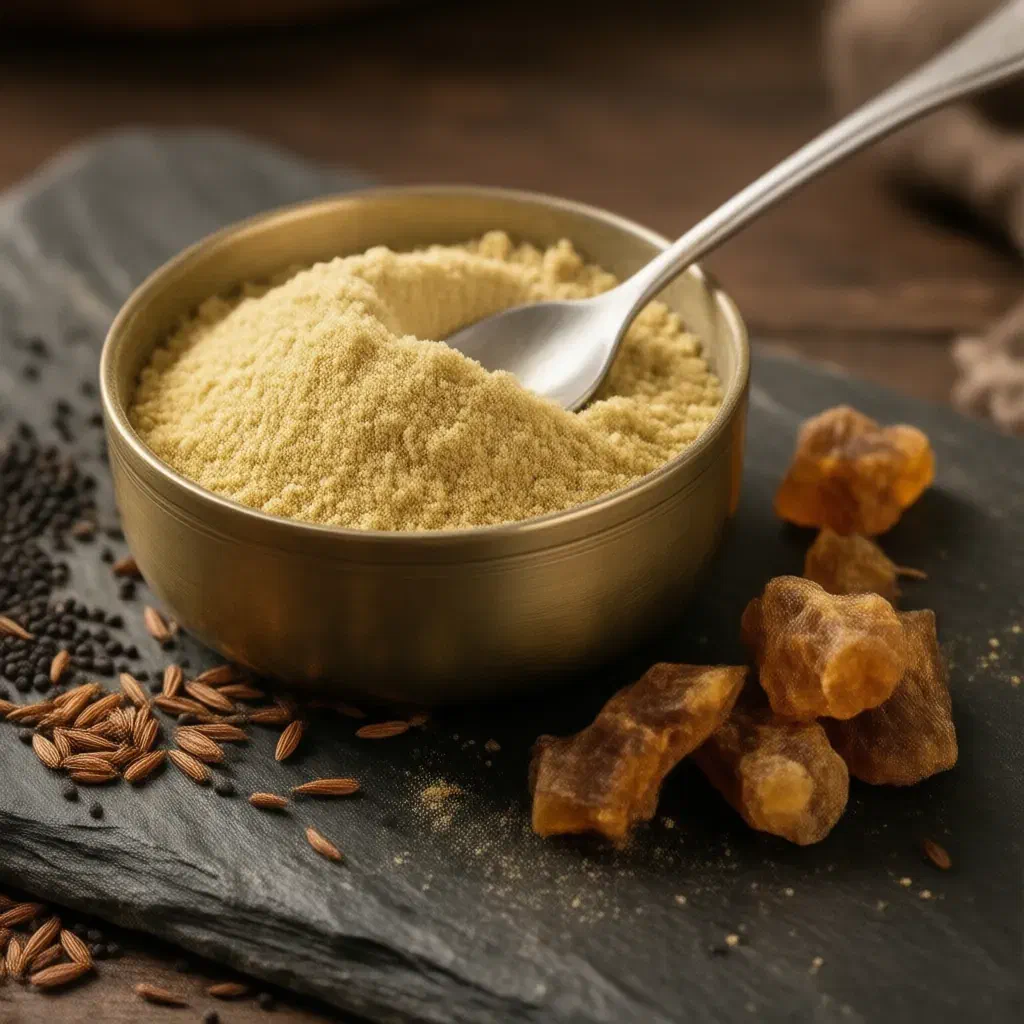
Asafoetida comes from several Ferula species, above all Ferula assa-foetida, a large perennial from the steppes and mountains of Iran and Afghanistan. The thick taproot is exposed and cut, and the milky sap that seeps out is collected over several weeks until it sets into a brownish resin. India has only started growing the plant itself in recent years and imports most of what it uses. Its old nickname, devil’s dung, describes the smell, which comes from sulphur compounds. Pure resin is very strong and sticky, so what you find in shops is almost always ground asafoetida that has been mixed with flour and gum arabic. That flour is often wheat flour, which means these blends are not gluten-free.
Flavour and uses
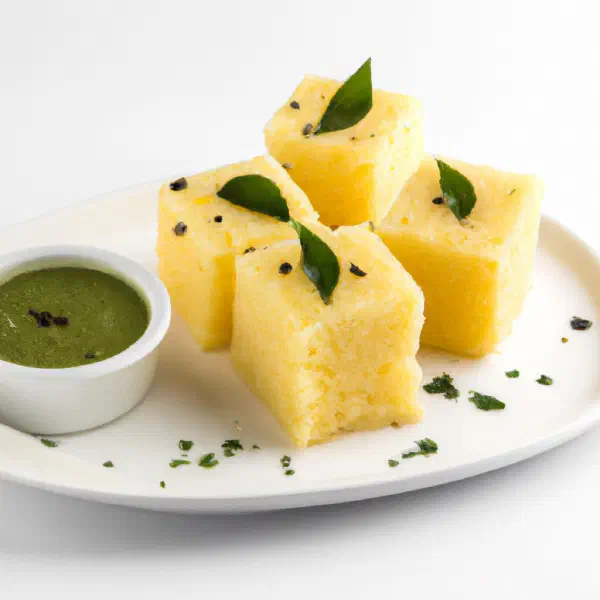
On its own asafoetida smells unpleasant, but in food you notice none of that. Add a pinch, about ⅛ teaspoon, to hot oil or ghee along with cumin or mustard seeds and let it sizzle for just a few seconds. This seasoned fat, called tadka, is poured over lentils, as in Nepalese Dal Bhat, or stirred into the potato filling for Vada Pav. In the steamed chickpea cake Dhokla it goes straight into the batter. Pulses are said to be easier to digest with asafoetida. In Jain cooking, which avoids onion and garlic, it takes their place. More than a pinch tastes bitter.
Buying asafoetida: what to look for
You can buy asafoetida in Indian and Asian grocers and from spice merchants, usually as a yellowish powder in small tins of 50–100 g. Read the ingredients list. If wheat flour is the carrier, the powder is unsuitable for people with coeliac disease; there are versions made with rice flour. The yellow colour often comes from turmeric. Lumps of resin are stronger and keep longer, but you have to crush them before use.
Storage and shelf life
Asafoetida belongs in a tightly closed tin, ideally inside a screw-top jar as well. Otherwise the whole spice cupboard will smell of it. Stored dry and dark, the powder keeps for one to two years, though it slowly loses strength. The resin lasts even longer.
What can you use instead of asafoetida?
For a pinch of asafoetida, use half a finely chopped garlic clove and ¼ teaspoon onion powder, and fry both briefly in the oil. If you want to avoid garlic and onion, for example on a low-FODMAP diet, simply leave the asafoetida out and add a little more cumin and fresh ginger. The dish will taste leaner, but it still works.