Bulgur: What It Is, How to Use It and Substitutes
What is bulgur?
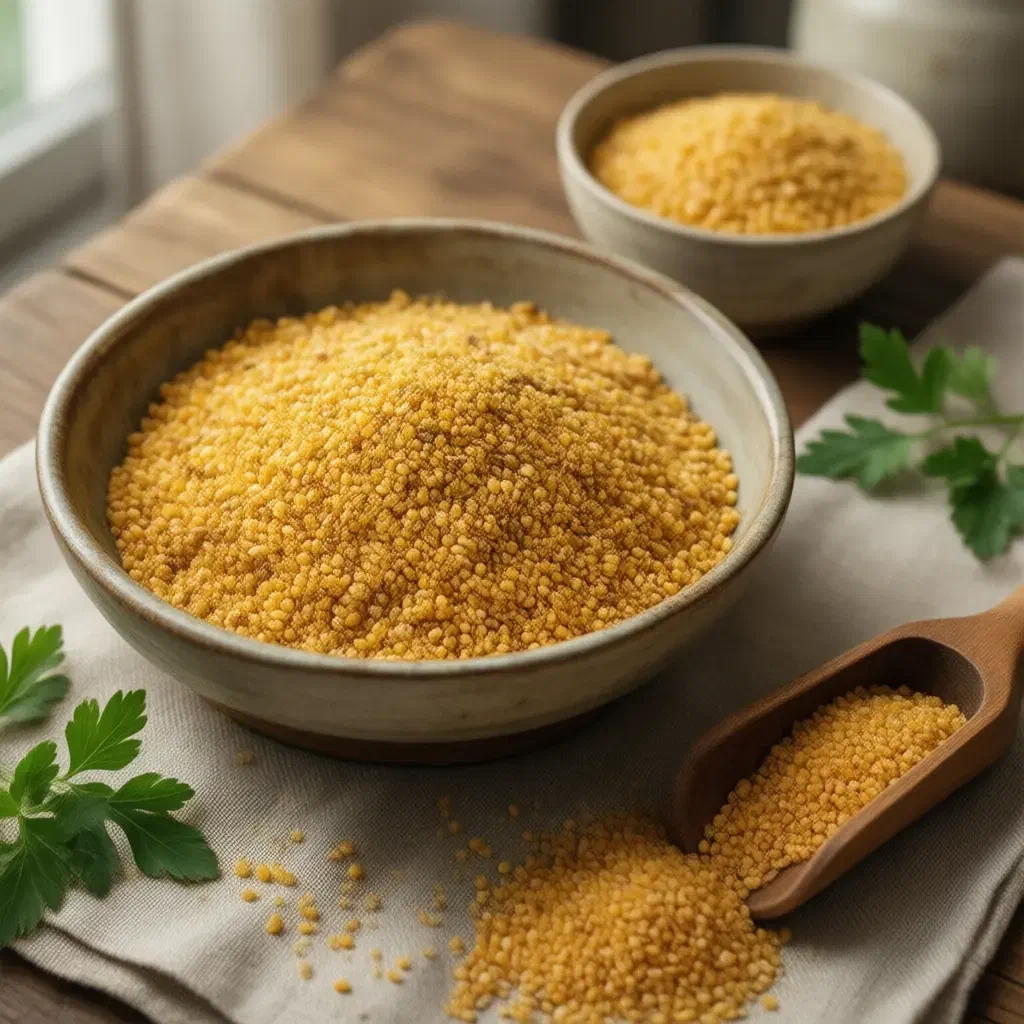
To make bulgur, wheat grains, usually durum wheat, are parboiled, dried and then broken into pieces. The grain used to be dried in the sun, but today the drying is mostly done in factories. Because it is precooked, bulgur cooks quickly and keeps for a long time. There are two main grades. Fine bulgur, köftelik in Turkish, is almost as fine as semolina and only needs soaking. Coarse bulgur, called pilavlık, is cooked like rice. In Arabic the grain is called burghul. Bulgur is not couscous. Couscous is made from semolina rolled into tiny balls, while bulgur is the whole grain, cracked. That is why it tastes fuller and slightly nutty.
Flavour and uses
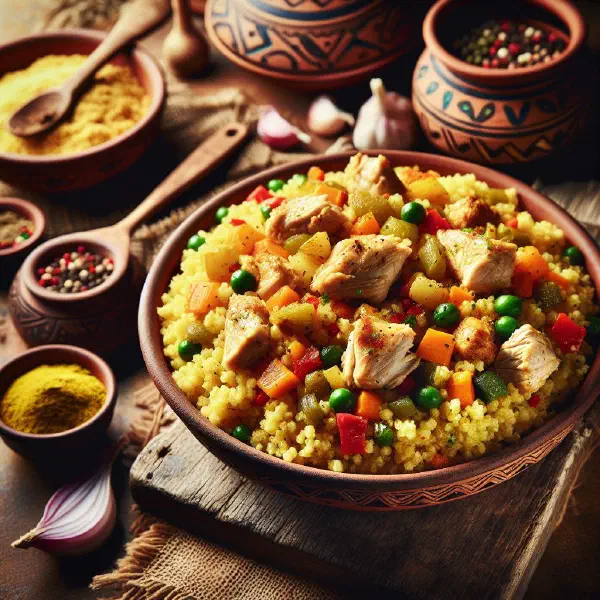
Bulgur has a mild, grainy flavour with a nutty note and keeps some bite when cooked. Pour hot water or tomato juice over fine bulgur and leave it to swell for 15 to 20 minutes. That is how the Turkish salad kısır is made, with pepper paste and pomegranate molasses. In Lebanese tabbouleh bulgur is only a supporting ingredient, the star is flat-leaf parsley. Kneaded with minced meat into a dough, fine bulgur forms the shell of Syrian kibbeh. For a pilaf, sweat coarse bulgur in butter or oil, add twice its volume of stock and cook it covered for about 15 minutes. It also works in soups, stuffed peppers and vegetarian patties.
Buying bulgur: what to look for
Most larger supermarkets stock bulgur, often on the shelf next to rice and couscous. The widest choice is at Turkish and Middle Eastern grocers. There the pack tells you whether it is fine (köftelik) or coarse (pilavlık) bulgur, and sometimes there is a medium grade too. Buy the fine grade for salads and kibbeh and the coarse one for side dishes. Wholegrain bulgur is also available. It is a little darker and takes longer to cook.
Storage and shelf life
Dry bulgur keeps for about a year if sealed well and stored somewhere cool and dark. The best-before date on the pack is your guide. Tip opened packs into a screw-top jar to keep pantry moths out. Cooked bulgur stays fresh in the fridge for two to three days. Salads like kısır actually taste better on the second day, once the bulgur has soaked up the seasoning.
What can you use instead of bulgur?
The obvious substitute is couscous. It swells the same way in hot liquid but stays softer. Allow 150 ml of water for 100 g of couscous. If you need to eat gluten-free, use quinoa. Rinse 100 g of quinoa well, simmer it in 200 ml of water for 15 minutes, then let it cool. Buckwheat also works for a pilaf. Kibbeh is hard to shape with any of these substitutes, as it really needs fine bulgur.