Cassava: What It Is, How to Use It and Substitutes
What is cassava?
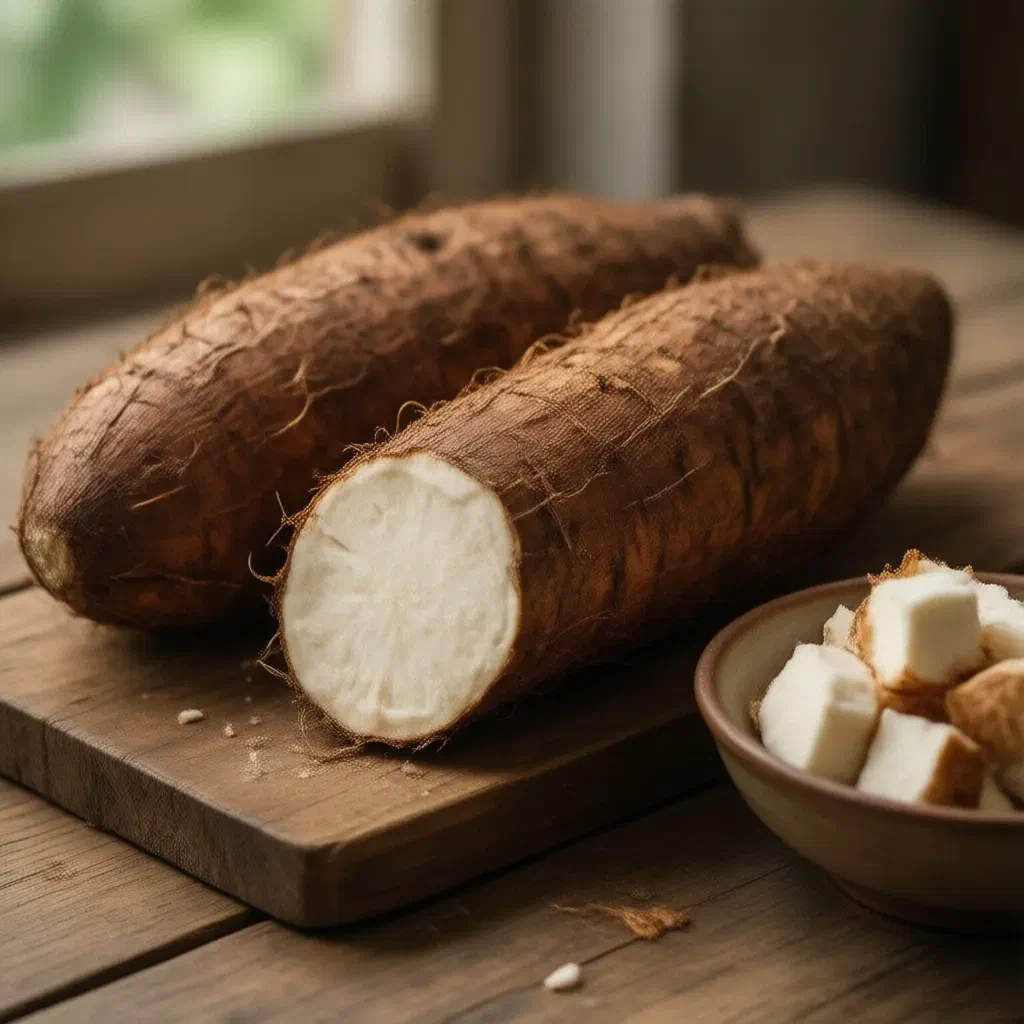
Cassava (Manihot esculenta) belongs to the spurge family. The plant was domesticated in South America and in the 16th century reached Africa with Portuguese traders, and Asia with Portuguese and Spanish traders. Today it is a staple food for more than 500 million people in the tropics, and the largest producer is Nigeria. The roots of the varieties sold in shops usually grow 15 to 30 centimetres long, with a brown, bark-like skin and white, fibrous flesh. They contain compounds that release hydrogen cyanide, mainly linamarin. There is sweet cassava, which contains little of it, and bitter cassava, which contains a lot. The bitter varieties are processed almost exclusively into flour, gari or starch, because grating, soaking, fermenting and roasting break down the toxin. The cassava sold in shops is usually the sweet kind, but that too must always be cooked.
Flavour and uses
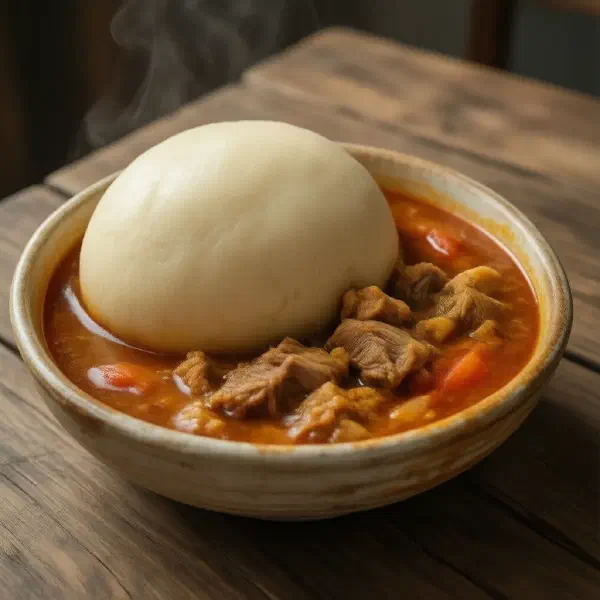
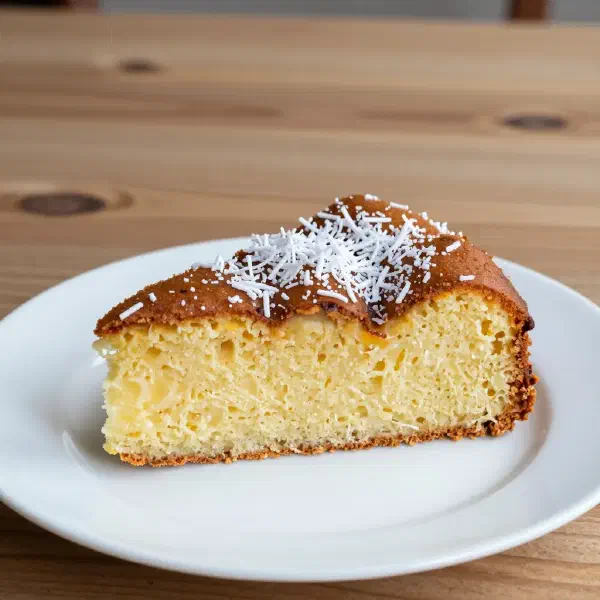
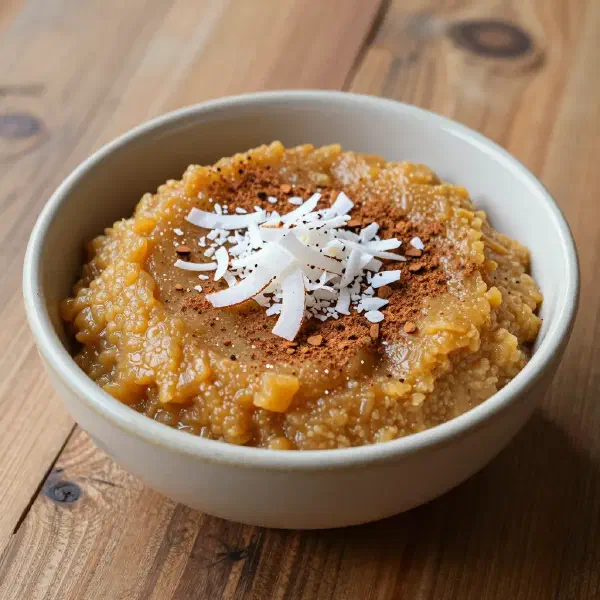
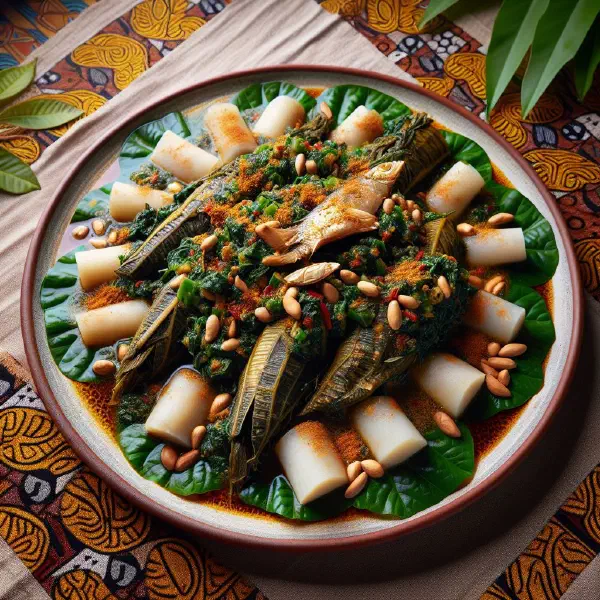
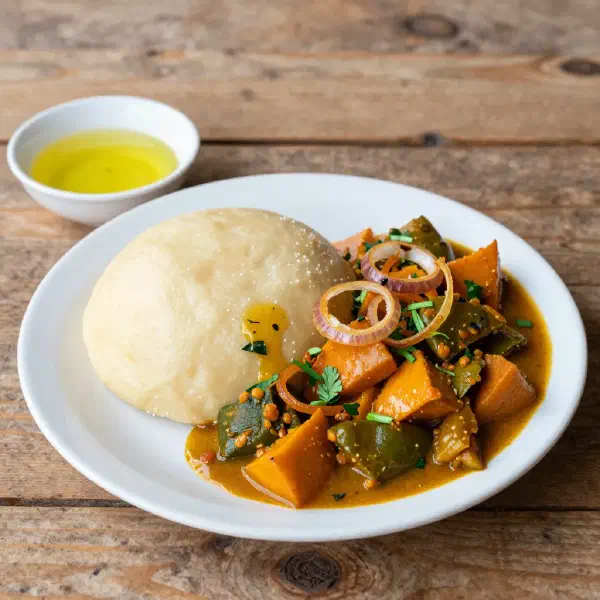
Cooked cassava tastes mild, slightly nutty and a little sweet. It is firmer and stickier than potato. In West Africa it is boiled and pounded into a dough to make Cassava Fufu, which you dip into soups by hand. In Angola cassava flour is stirred into the porridge funje. In Latin America the boiled pieces are fried or served with a garlic sauce, and in the Caribbean and the Philippines sweet cakes are baked from grated cassava and coconut. In Central Africa the leaves are eaten as a vegetable, for example in saka saka. To cook cassava, peel the root, halve it lengthways and remove the woody core in the middle. Cook the pieces in salted water for 20 to 30 minutes and pour away the cooking water.
Buying cassava: what to look for
You can find fresh cassava at African, Asian and Latin American grocers, and occasionally in supermarkets. The roots are often coated in wax to help them keep longer. Snap off one end or ask to see a cut surface. The flesh should be snow white, with no grey or bluish streaks and no sour smell. Frozen cassava, peeled and cut into pieces, is more convenient. Cassava flour, gari and tapioca are sold dried in African grocers.
Storage and shelf life
Fresh cassava spoils quickly, often within two to three days. Store it somewhere cool and dry and use it soon. Peeled pieces keep in water in the fridge for about three days if you change the water daily. Peeled raw and portioned, it can be frozen for several months. Cooked cassava keeps, covered, in the fridge for two days.
What can you use instead of cassava?
For boiled or fried pieces, use 500 g of floury potatoes or sweet potatoes instead of 500 g of cassava. The cooking time drops to 15 to 20 minutes. Taro and yam come closer in texture but are rarely easier to find. For fufu, mix 100 g of instant mashed potato flakes with 2 tablespoons of potato starch and about 250 ml of hot water, then knead the mixture smooth in a pan over low heat. Potato starch can replace cassava starch in the same quantity.