Coconut Milk: What It Is, How to Use It and Substitutes
What is coconut milk?
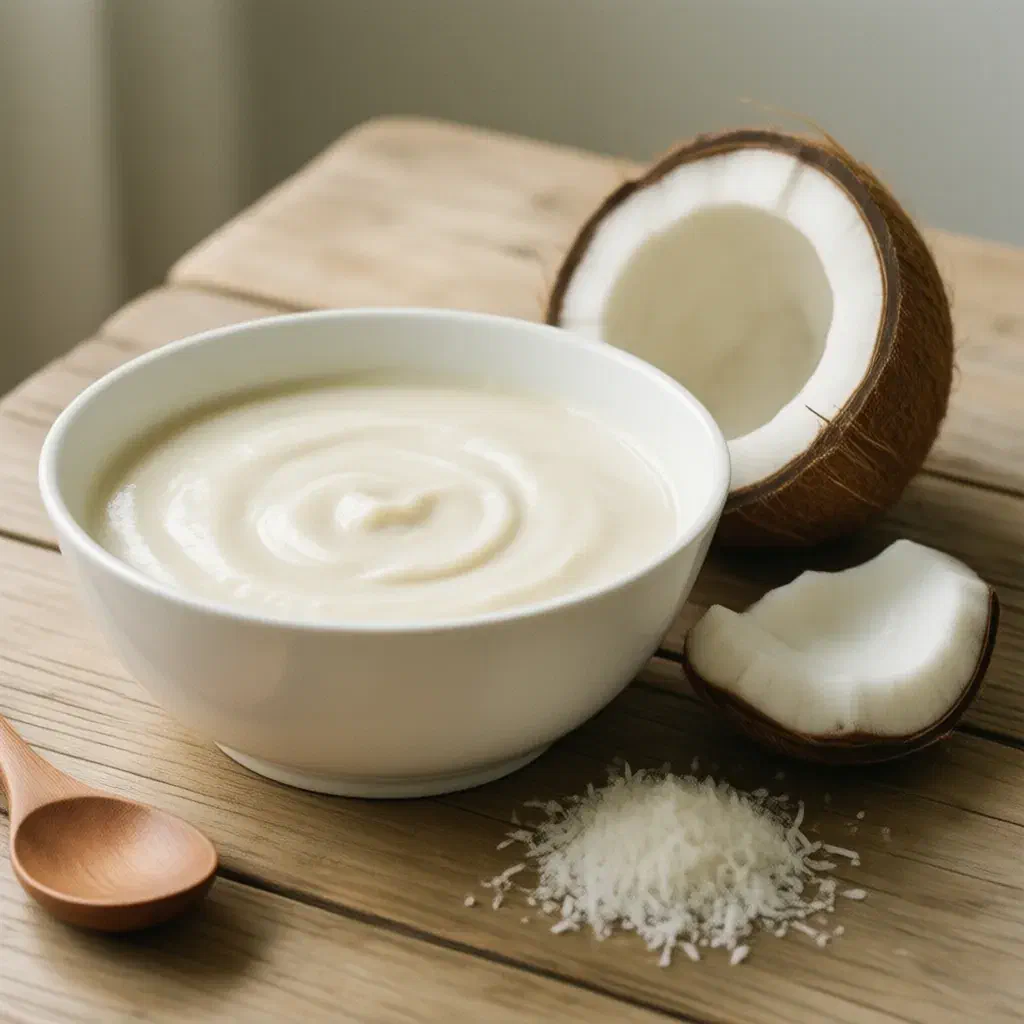
To make coconut milk, the white flesh of mature coconuts is finely grated, mixed with warm water and squeezed. The first, thick pressing gives coconut cream, and further pressings with more water give a thinner milk. It has nothing to do with coconut water, the clear liquid inside young coconuts. Ordinary tinned coconut milk usually contains about 15 to 25 per cent fat. Light versions contain much less because they have more water in them. Coconut drinks sold in cartons from the chiller cabinet are diluted even further and suit coffee or cereal, not curries. If a tin stands for a while, a firm white layer of fat settles on top. This is normal and not a sign that it has gone off.
Flavour and uses
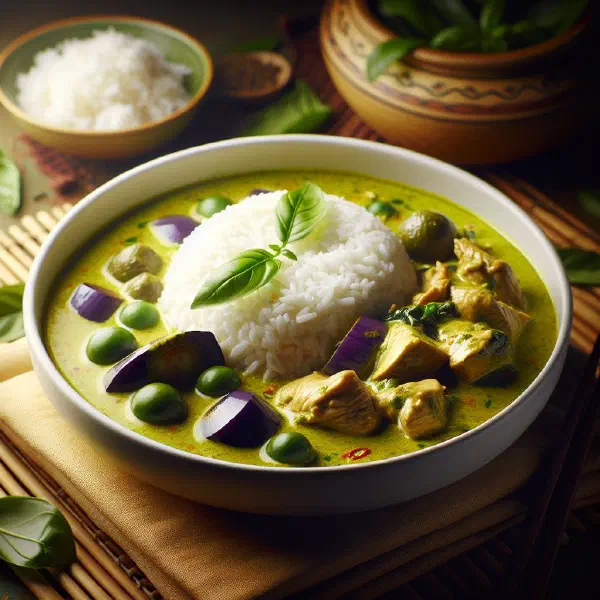
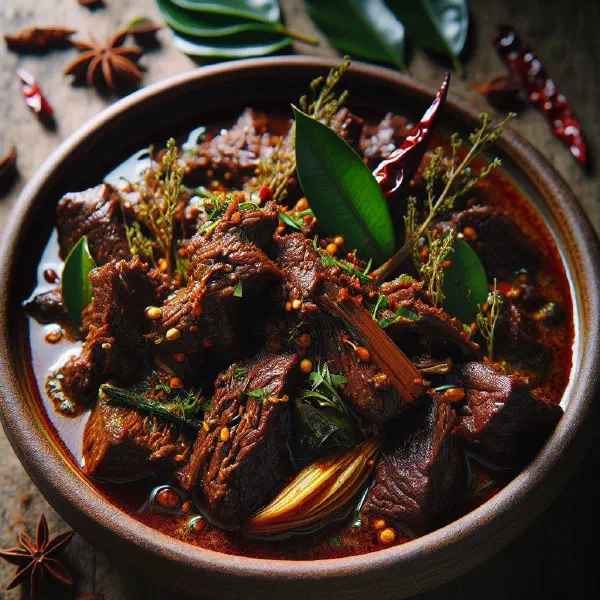
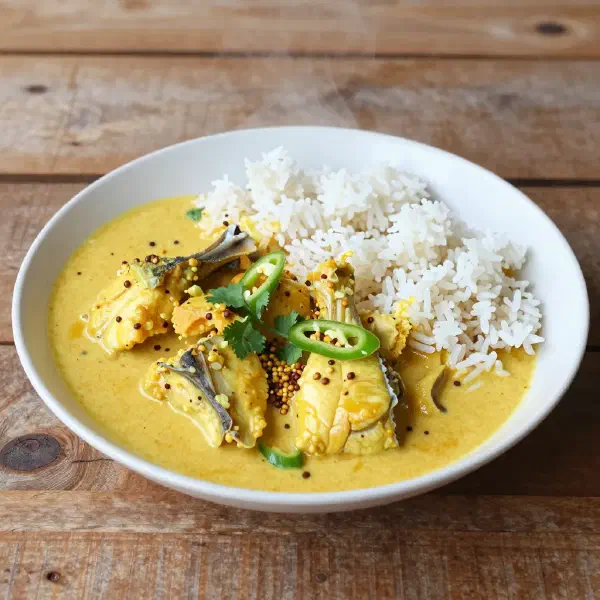
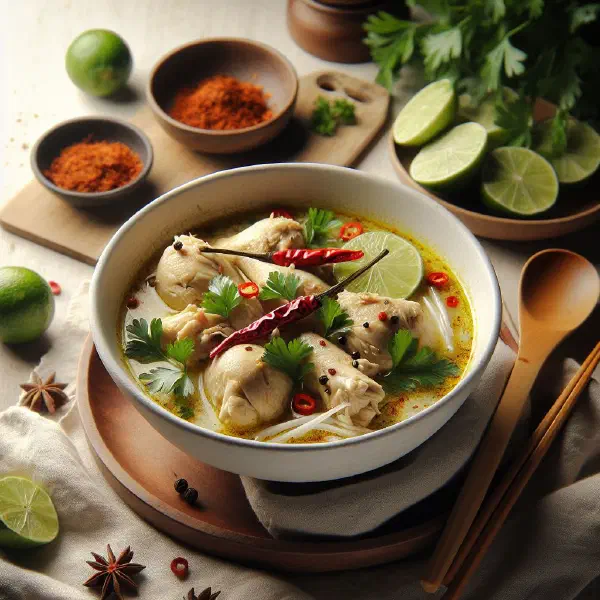
Coconut milk tastes mild, slightly sweet and nutty, and it softens the heat of chilli. For Thai curries such as Gaeng Keow Wan, you first fry the curry paste in the thick cream from the top of the tin until the fat separates and the paste smells fragrant. Only then does the rest of the milk go in. For Beef Rendang, beef simmers for hours in coconut milk until the sauce has almost completely reduced and the meat fries in the fat and spices. In Brazil it goes into the fish stew Moqueca, and in the Caribbean into rice and beans. Keep coconut milk at a gentle simmer, as it can easily split over high heat. In desserts such as rice pudding, it can replace all or half of the cow’s milk.
Buying coconut milk: what to look for
You can find coconut milk in most supermarkets, and Asian grocers usually sell it more cheaply and in more varieties. Check the ingredients list. A high proportion of coconut extract, often 60 to 80 per cent, and few additives point to good quality. Guar gum as a thickener is common and does no harm. For curries and rendang, choose the full-fat version, as the light one tastes watery. Coconut cream in small packs is thicker and works well for desserts.
Storage and shelf life
Unopened tins keep until the best-before date, usually one to two years. Pour leftover coconut milk into a jar and keep it in the fridge, where it lasts three to four days. If it smells sour, throw it away. Leftovers freeze well in ice cube trays and keep for about two months. Stir well after thawing.
What can you use instead of coconut milk?
Homemade coconut milk is quick. Pour 400 ml of hot water over 100 g of unsweetened desiccated coconut, leave it for 15 minutes, blend and squeeze it through a cloth. This gives about 350 ml. If you don’t need the coconut flavour, 150 ml of cream with 50 ml of water replaces 200 ml of coconut milk. For a vegan alternative, stir 3 tablespoons of cashew butter into 180 ml of water.