Couscous: What It Is, How to Use It and Substitutes
What is couscous?
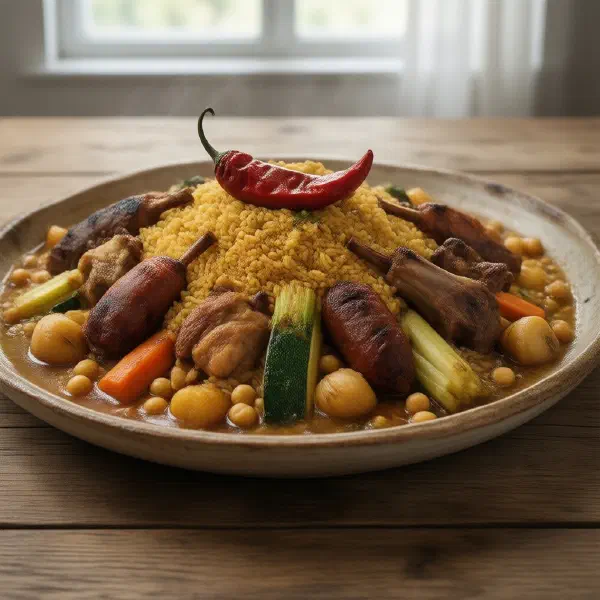
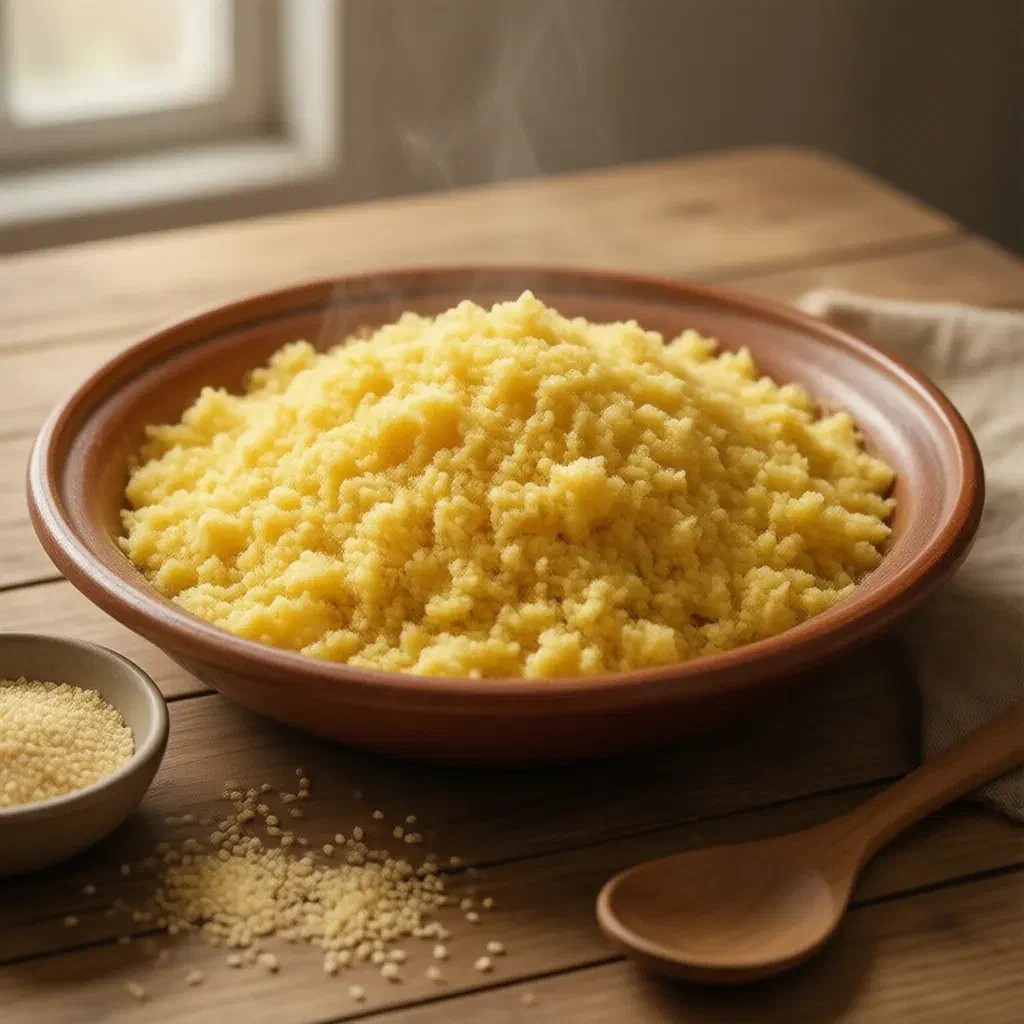
Couscous is not a grain in its own right but a product made from semolina. Traditionally, durum wheat semolina is sprinkled with salted water and rolled with the palms of the hands in a large bowl until small pellets form. These are sieved, dried and later steamed in the top part of a two-tiered pot, the couscoussier. A stew simmers in the bottom part, and its steam cooks the couscous. In North Africa there is also couscous made from barley or millet. Couscous culture is found across the whole Maghreb, from Mauritania to Libya. In 2020 UNESCO recognised the knowledge and practices of making and eating couscous as shared cultural heritage of Algeria, Morocco, Mauritania and Tunisia.
Flavour and uses
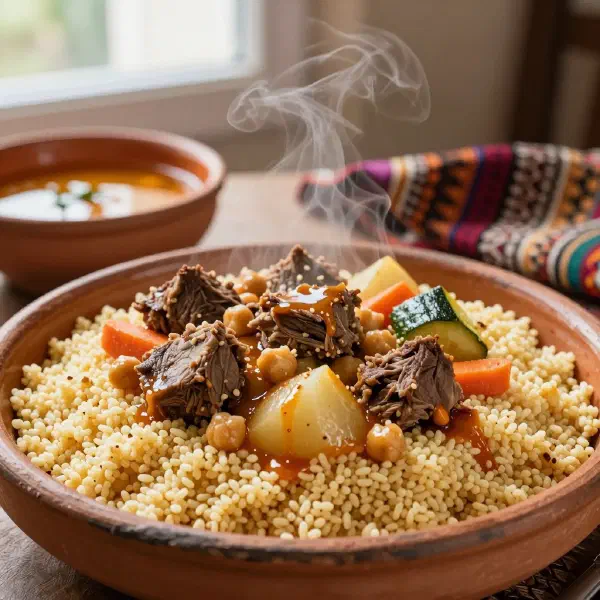
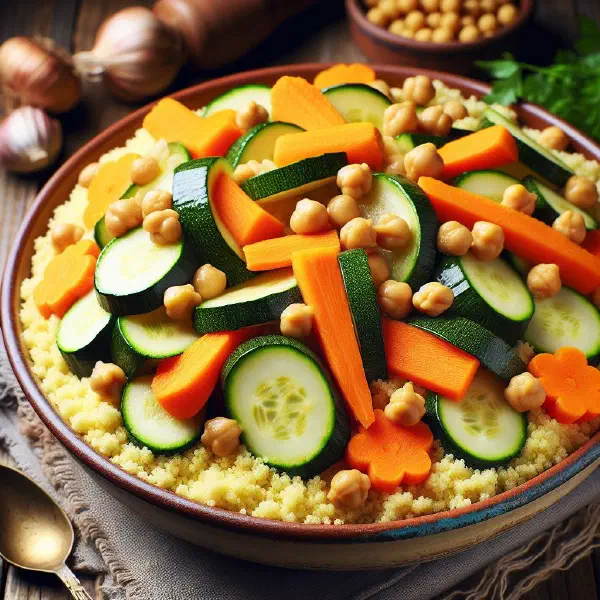
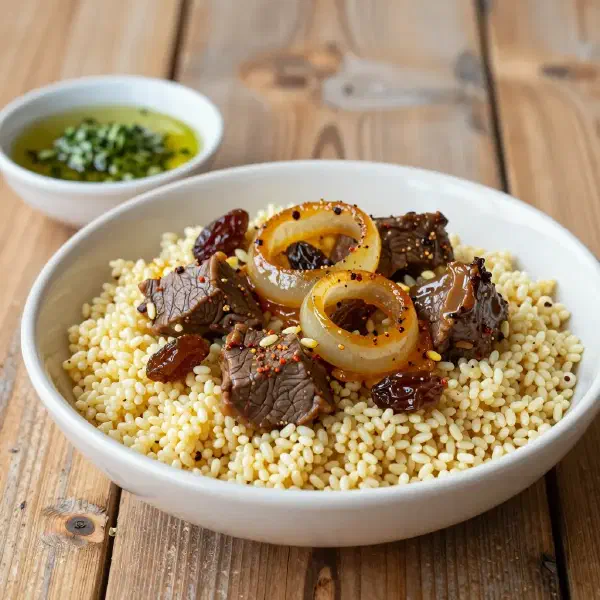
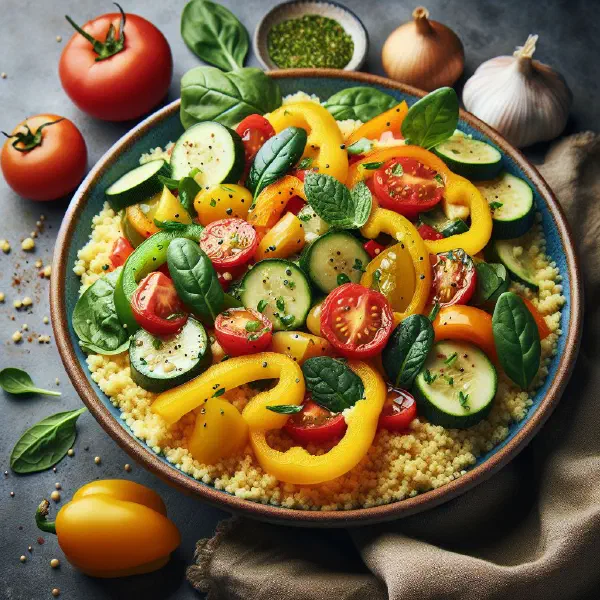
Couscous has a neutral, wheaty flavour and soaks up stock, butter and spices well. Instant couscous from the supermarket is already precooked. Pour over boiling stock or water in a 1:1 ratio, cover for 5 minutes, then fluff the grains with a fork and a little butter or oil. In Morocco couscous with vegetables and meat is traditionally served on Fridays. In Tunisia it is often served with fish, and the broth is spicy with harissa. Cold, couscous becomes a salad with cucumber, tomato, mint and lemon. Sweetened with butter, cinnamon and raisins, it is also eaten as a dessert in the Maghreb.
Buying couscous: what to look for
Instant couscous is sold in every supermarket, usually in a medium grain that suits side dishes and salads. Specialist shops also sell fine and coarse grains. Middle Eastern and North African grocers have larger packs, wholewheat couscous and barley couscous. Pearl couscous, with larger round balls, is a type of pasta that is boiled. In Israel it is called ptitim, and in Palestine there is the similar maftoul. Wheat couscous is not suitable for people with coeliac disease.
Storage and shelf life
Dry couscous keeps for one to two years in a tightly sealed container, stored somewhere cool and dark. Cooked couscous stays fresh in the fridge for about three days. To reheat it, sprinkle it with a little water and warm it covered, so the grains do not stick together. It can also be frozen.
What can you use instead of couscous?
Bulgur is the easiest substitute, especially in salads. Pour the same amount of boiling water over fine bulgur, as you would for couscous, and leave it to swell for 10 to 15 minutes. For a gluten-free option, millet and quinoa work well. Cook 100 g with 200 to 250 ml of water for about 15 minutes. For a low-carb version, coarsely grate cauliflower and fry it in a little oil for 5 minutes.