Fonio: What It Is, How to Use It and Substitutes
What is fonio?
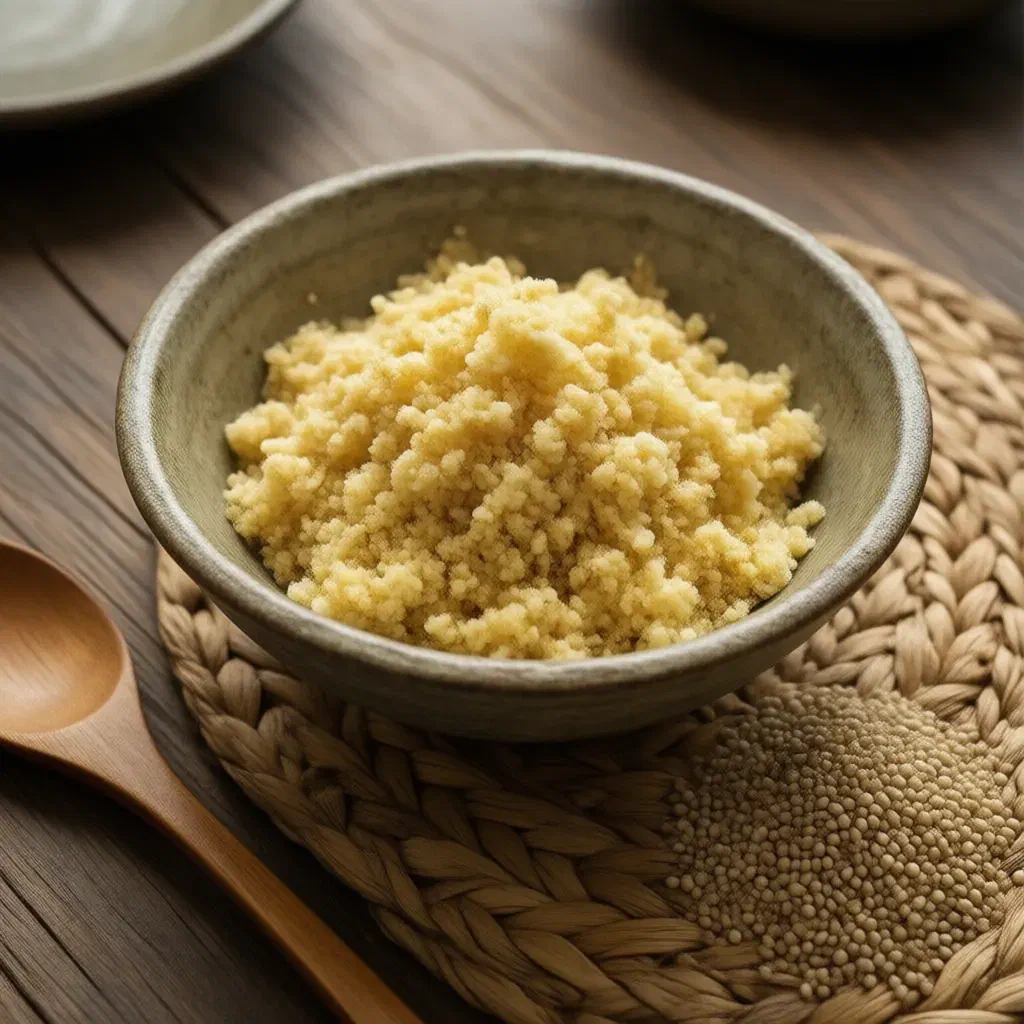
Fonio is a grass, botanically Digitaria exilis, known as white fonio. A second species, black fonio (Digitaria iburua), grows mainly in Nigeria, Togo and Benin. Fonio is cultivated in the Sahel and the savannah of West Africa. Guinea is by far the largest producer, followed by Nigeria and Mali. The plant copes with poor soils and little rain, and some varieties ripen in just six to eight weeks. Processing is laborious. Every grain sits in a husk, which used to be rubbed off with sand in a mortar. Today machines do this in many regions. Fonio is gluten-free and contains the amino acids methionine and cystine in larger amounts than many other cereals. In the EU it has been authorised as a novel food since 2018.
Flavour and uses
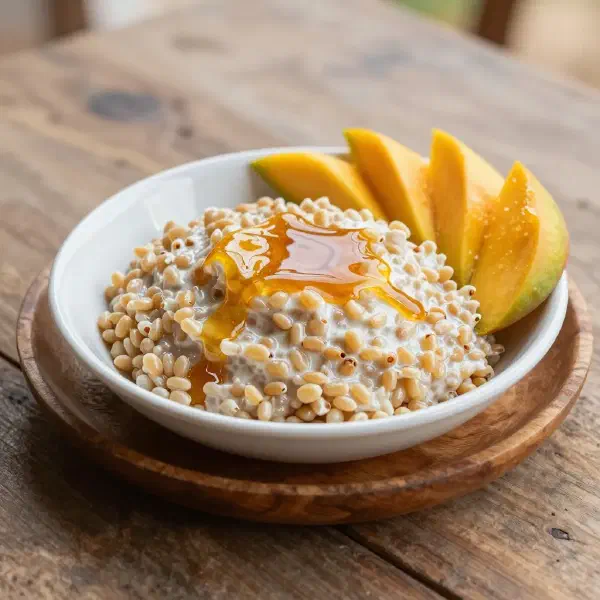
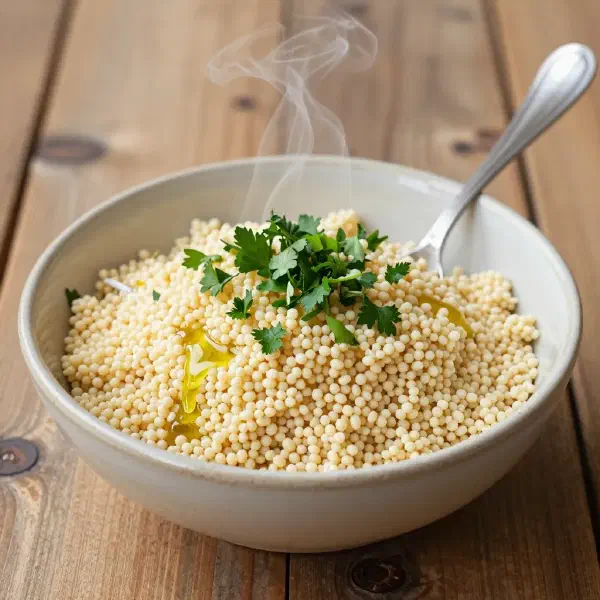
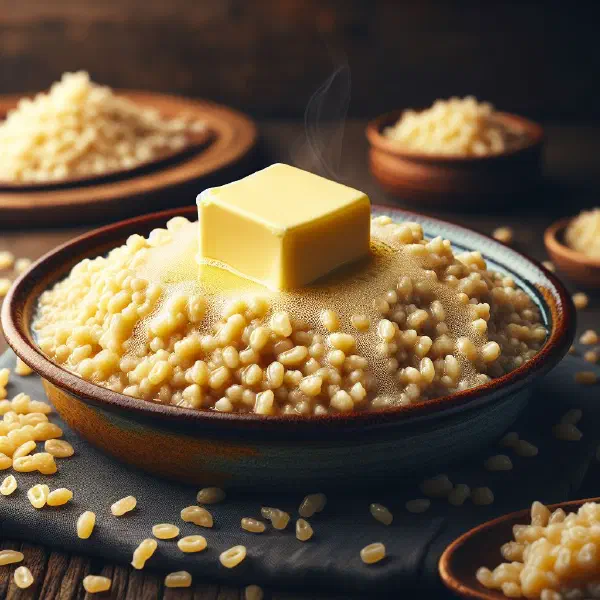
Fonio tastes mild and slightly nutty, and the grains turn out fluffy and a little softer than couscous. For a side dish, rinse 100 g of fonio thoroughly, add it to 200 ml of boiling salted water and let it swell, covered, over a low heat for five minutes. Then fluff it up with a fork. In West Africa it is traditionally steamed over broth, as in Fonio Couscous from Mali. In Burkina Faso it is served with vegetables as Fonio aux Légumes, and in Senegal it is cooked sweet with milk as Fonio au Lait. Fonio goes well with peanut sauce, leaf sauces and fish. In salads it can replace bulgur, and in breakfast porridge it can take the place of oats.
Buying fonio: what to look for
You can buy fonio in African grocers, health-food shops and online, usually in packs of 400 to 500 g. Choose pre-cleaned, hulled fonio that gives a cooking time of a few minutes. Uncleaned grain can contain sand and small stones and needs washing several times. The grains should be pale, even and free of husks. Fonio flour is good for gluten-free baking but needs a binder.
Storage and shelf life
Hulled fonio keeps for about a year in a well-sealed jar, stored somewhere cool and dry. Watch out for pantry moths. Cooked fonio keeps for two to three days in the fridge. To reheat it, steam it briefly or add a splash of water to the pan, otherwise it dries out.
What can you use instead of fonio?
The closest match is fine millet. For 100 g of fonio, use 100 g of millet, but cook it in 250 ml of water for about 15 minutes. Millet is also gluten-free. Wheat couscous gives a similar texture and is just as quick, but it contains gluten. Quinoa works in salads, though it tastes stronger. For porridge, use millet semolina, and for flour, a mix of rice flour and a little millet flour.