Ghee: What It Is, How to Use It and Substitutes
What is ghee?
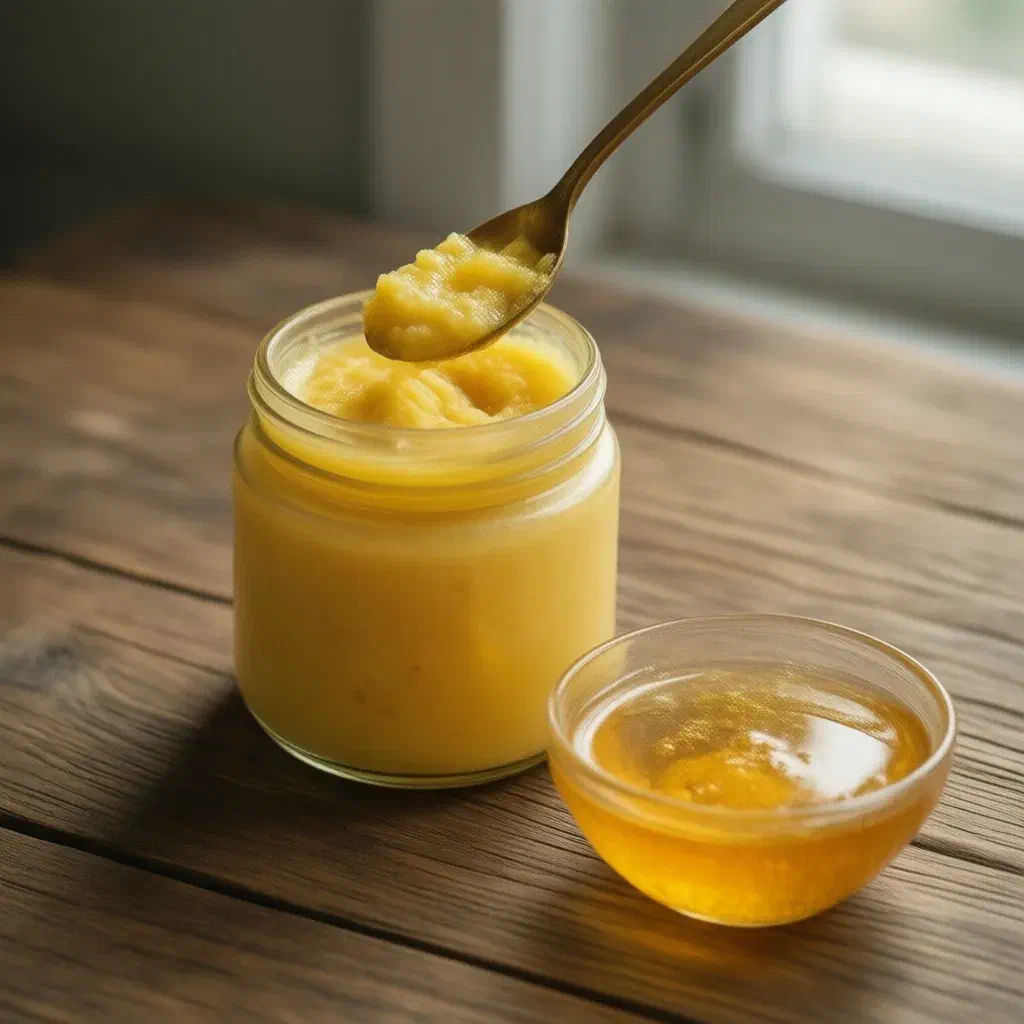
To make ghee, butter is simmered gently until the water has evaporated and the milk solids settle on the bottom of the pan. Unlike ordinary clarified butter, these solids are allowed to brown slightly before the fat is poured off. That is where the flavour of caramel and hazelnut comes from. Ghee consists almost entirely of butterfat and contains hardly any lactose. It can take higher temperatures than butter without burning. In India it has been made for thousands of years, and it plays a part in Ayurveda and in religious ceremonies. Traditionally it is made from butter churned from soured yoghurt. Industrial ghee is usually made from sweet cream butter.
Flavour and uses
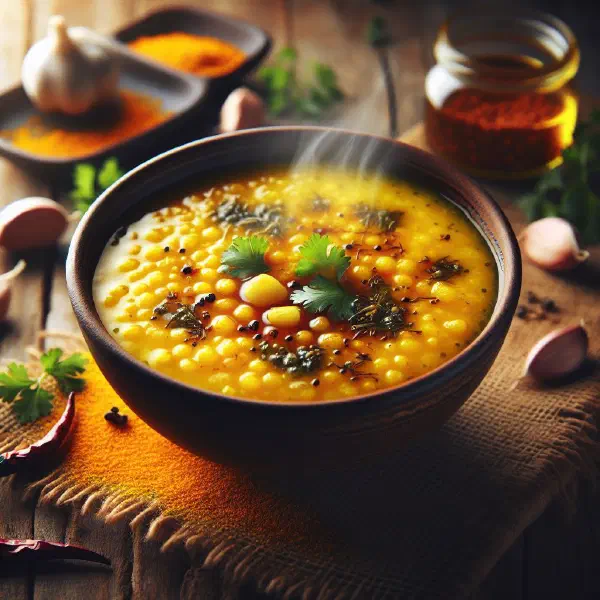
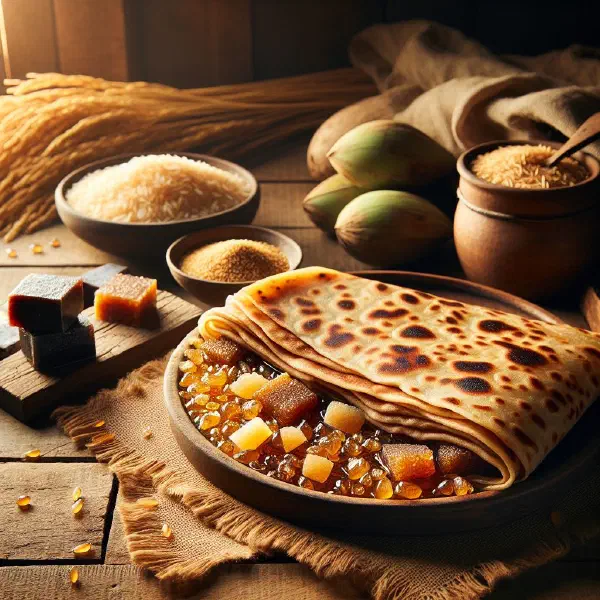
Ghee tastes nutty and buttery, much fuller than a neutral oil. In Indian cooking, whole spices are fried in it until fragrant, and this tadka is poured over lentils, as in dal tadka. Sweets such as besan ladoo owe their binding and aroma to it, and warm flatbreads such as Roghni Naan are brushed with it. Clarified butter is also common in biryani, in Arabic rice dishes and in Ethiopia, where a spiced butter called niter kibbeh is used. In European cooking, ghee is good for searing meat and fish. A single tablespoon is enough for a pan. Fried potatoes turn especially crisp in it and taste slightly of brown butter.
Buying ghee: what to look for
Many supermarkets and health-food shops sell ghee in jars, usually next to the oils. Indian and Pakistani grocers have larger tins at much better prices. The ingredients list should name only butter or butterfat. Vanaspati, or vegetable ghee, is hydrogenated vegetable fat and tastes different. Good ghee smells nutty, not rancid, and is grainy and spreadable at room temperature. Ghee made from grass-fed butter costs more but often tastes richer.
Storage and shelf life
Because the water and protein have been removed, ghee keeps for a long time. Unopened, it stays good for many months at room temperature, and the best-before date is often a year or more ahead. Once opened, keep it in the dark and only take it out with a clean, dry spoon, otherwise it spoils faster. In the fridge it sets firm but stays fresh for longer.
What can you use instead of ghee?
Clarified butter replaces ghee 1:1, it just tastes less nutty. You can also make ghee yourself. Simmer 250 g of butter over a low heat for 20 to 30 minutes until the sediment is golden brown, then strain it through a cloth. This gives about 200 g. For vegan dishes, use coconut oil or a neutral oil with a small knob of vegan butter.