Halloumi: What It Is, How to Use It and Substitutes
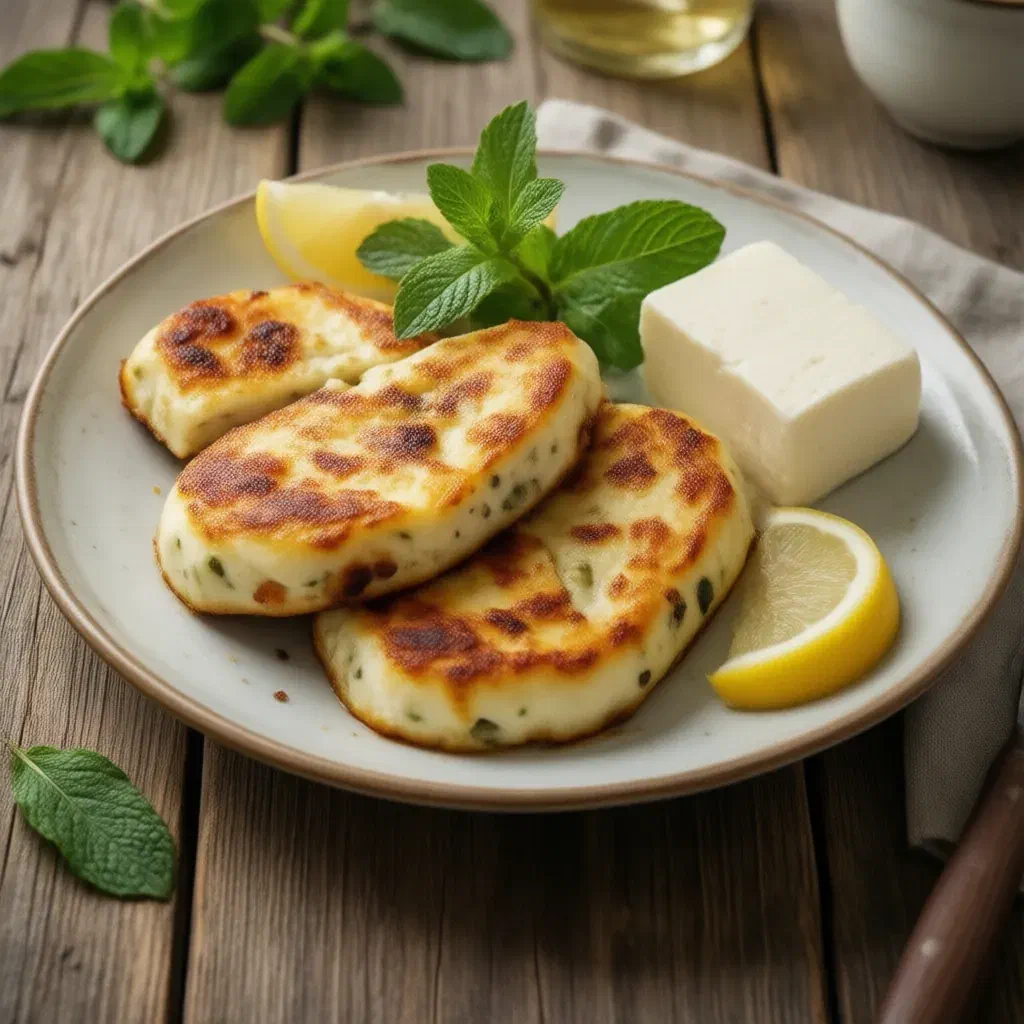
What is halloumi?
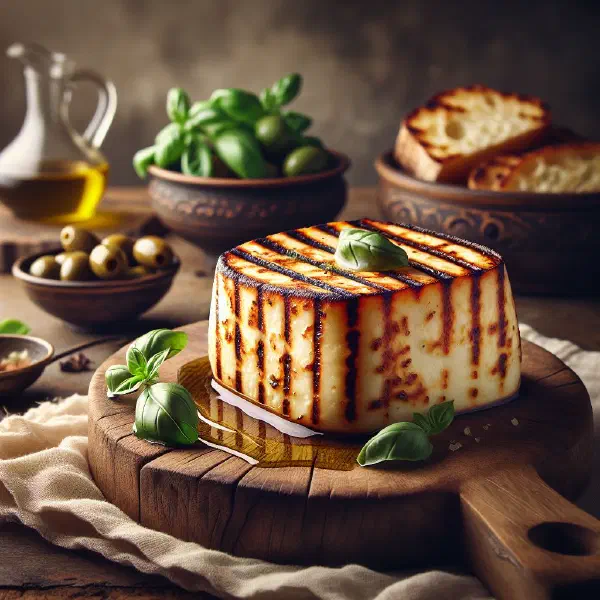
Halloumi has been made in Cyprus for centuries. After the milk sets, the curd is pressed, cut into pieces and then cooked in hot whey. This scalding makes the cheese heat-resistant, so it keeps its shape when you fry it. The pieces are then salted, sprinkled with dried mint, folded over and stored in brine. The classic milk is sheep’s and goat’s milk. Many producers now add cow’s milk as well, because there is not enough sheep’s and goat’s milk on the island. Since 2021, halloumi (Greek challoumi, Turkish hellim) has been registered in the EU as a protected designation of origin. This means only cheese from Cyprus made according to the set rules may carry the name.
Flavour and uses
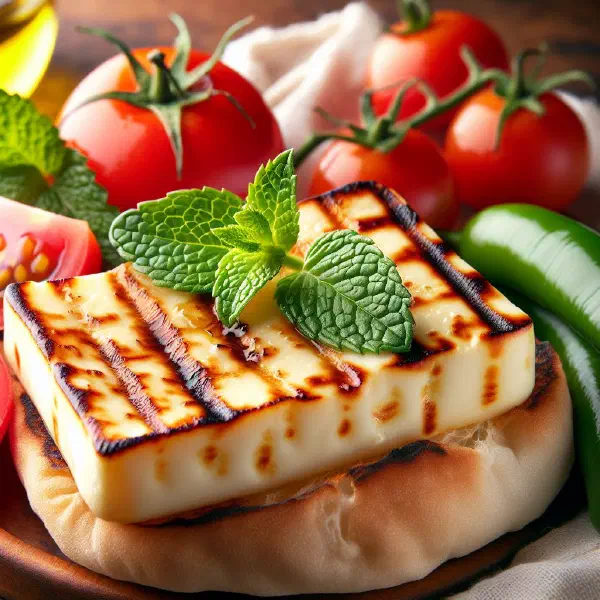
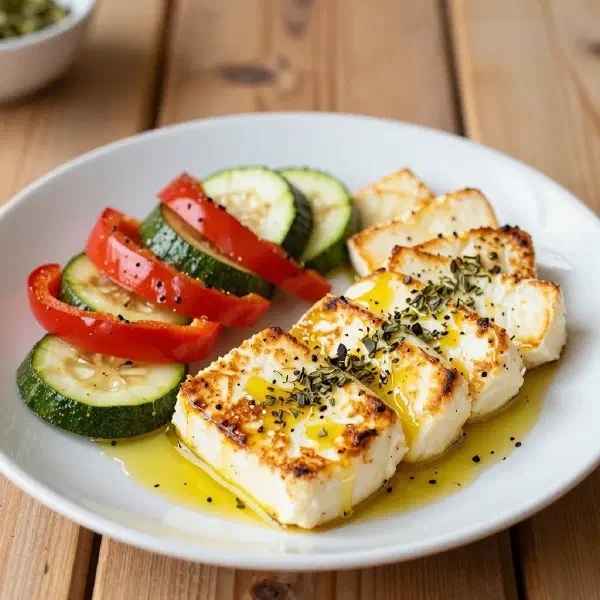
Raw halloumi tastes salty, mild and slightly rubbery. It shows its strengths when warm. Cut it into 1 cm slices, pat them dry and fry them without oil in a non-stick pan over medium heat for 2–3 minutes per side. It will then be crisp outside and soft inside. Eat it straight away, as it turns tough once it cools. In Cyprus, grilled halloumi is part of meze, in summer served with watermelon as Watermelon with Halloumi, or tucked into bread with lountza, a marinated and smoked pork loin. Grated, it goes over Makaronia tou Fournou and into the Easter pastries flaounes. It works in salads, wraps, on vegetable skewers and in burgers in place of meat. Lemon juice and fresh mint round it off.
Buying halloumi: what to look for
Halloumi is sold in the chilled cheese section of most supermarkets, often vacuum-packed in 200 or 250 g blocks. You will find it cheaper and in larger packs at Turkish, Greek, Cypriot or Middle Eastern grocers, where it is often labelled hellim. Halloumi-style grilling cheese made elsewhere may not be called halloumi in the EU. If origin matters to you, look for the name ‘Halloumi’ with the protected designation of origin seal. A high proportion of sheep’s and goat’s milk gives a fuller flavour, and you can check this in the ingredients list.
Storage and shelf life
Unopened, halloumi keeps in the fridge for a long time, and the best-before date is often several months away. Once opened, keep it in its brine or in salted water (about 1 tsp salt to 250 ml) and use it within a week. Halloumi freezes well. It becomes a little more crumbly afterwards but still fries well.
What can you use instead of halloumi?
The closest match is grilling or frying cheese made from cow’s milk, produced the same way and often sold next to it. Indian paneer does not melt either, but it is barely salty. Before frying, season 200 g paneer with ½ tsp salt and add a little dried mint. For a vegan option, use firm smoked tofu, sliced and marinated in lemon juice and salt. Feta falls apart in the pan and is only a substitute in cold dishes.