Jackfruit: What It Is, How to Use It and Substitutes
What is jackfruit?
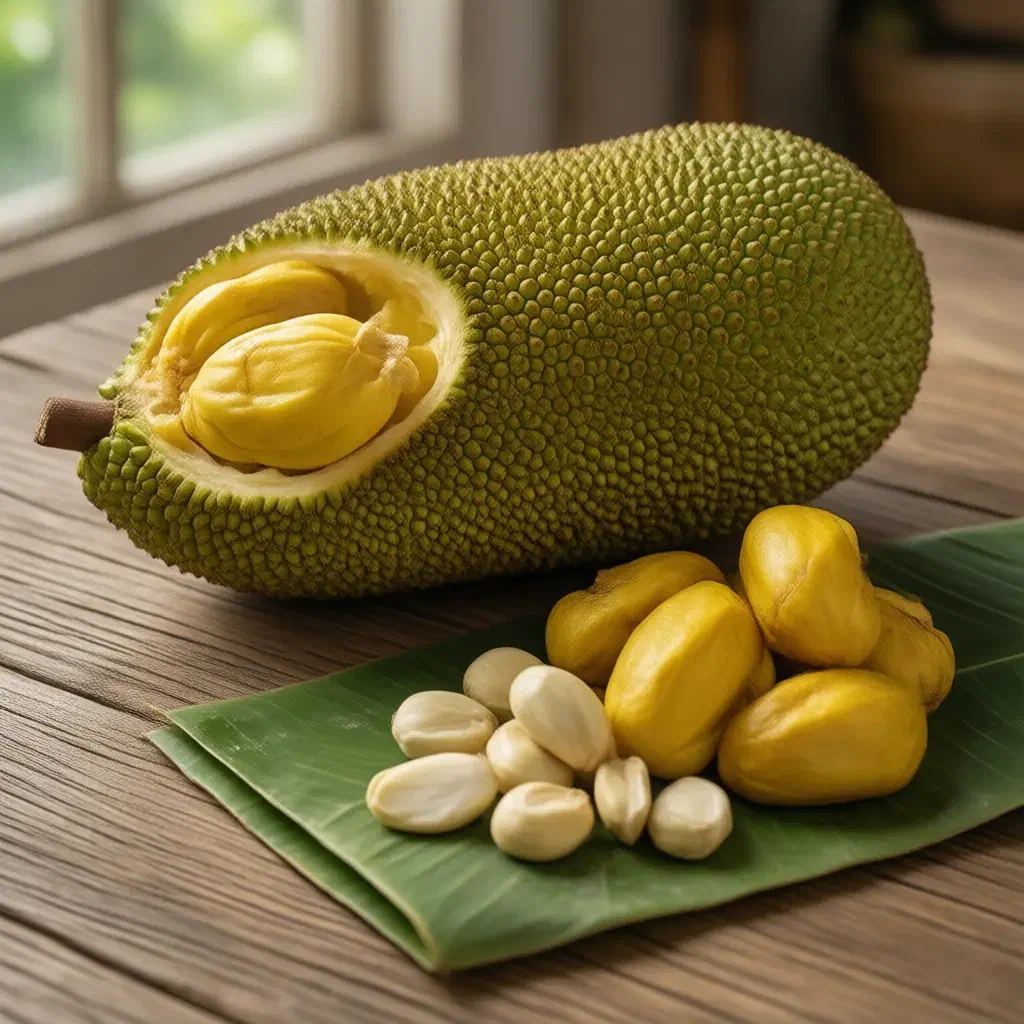
The jackfruit tree (Artocarpus heterophyllus) belongs to the mulberry family and comes from southern India. Today it grows throughout South and Southeast Asia, in East Africa and in Brazil. The fruits hang directly from the trunk and thick branches. Ripe fruits weigh about 4.5 to 50 kg and are among the largest tree fruits in the world. Under the green, knobbly rind sit hundreds of fleshy pods, each with a large seed. A sticky latex oozes out when you cut it. Jackfruit is the national fruit of Bangladesh, and in the Indian state of Kerala it is the official state fruit. The seeds are usually boiled or roasted and then taste rather like chestnuts.
Flavour and uses
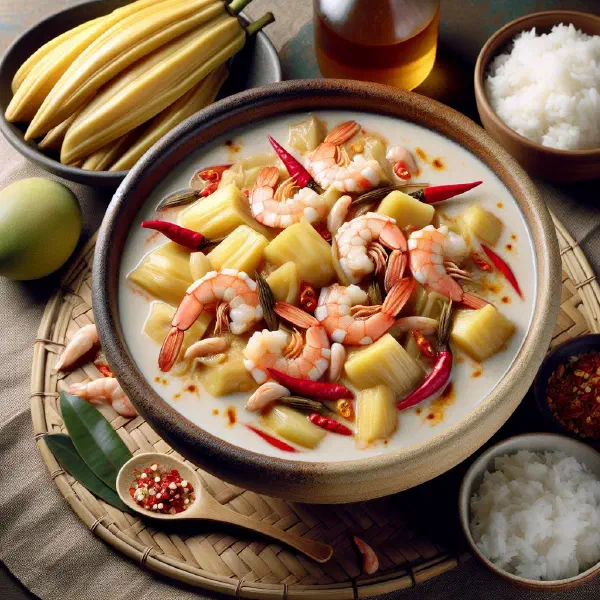
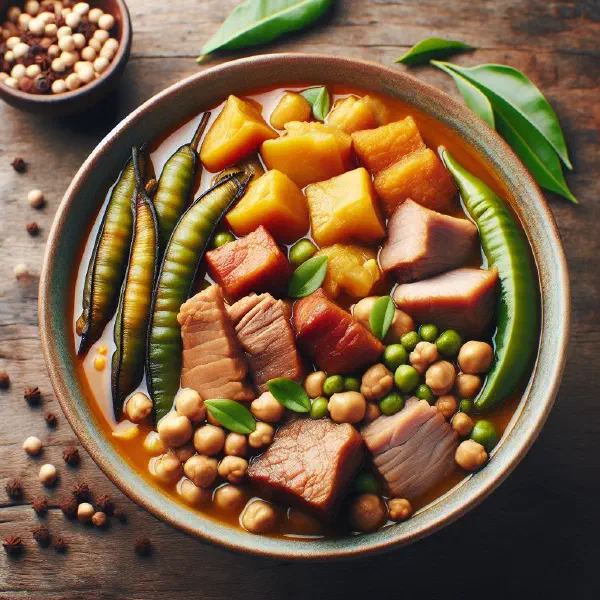
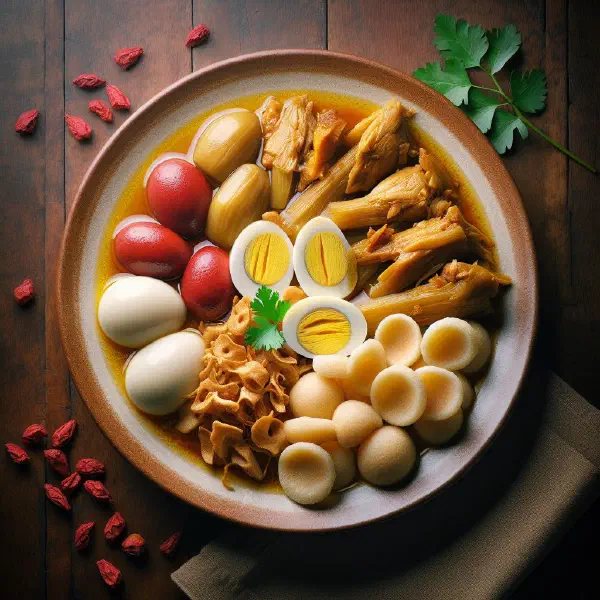
Young jackfruit tastes almost neutral and has firm fibres that can be pulled apart after cooking. It takes on spices well. In Sri Lanka it is cooked in coconut milk as Jackfruit Curry, and in the Philippines as Ginataang Langka. In Yogyakarta it is braised for hours with palm sugar to make Gudeg, until it turns brown and sweetish. Ripe jackfruit has a strong scent and tastes of banana, pineapple and mango all at once. In the Philippines it is wrapped with banana in pastry and fried as turon. In Western kitchens, young jackfruit stands in for pulled pork, with barbecue sauce in a burger bun. This works well if you brown the pieces hard first; otherwise the mixture stays soft.
Buying jackfruit: what to look for
The easiest way to buy young jackfruit is in tins from Asian grocers. Look for the words ‘young green jackfruit in brine’. Jackfruit in syrup is ripe and belongs in desserts. Health-food shops and some supermarkets sell pre-cooked, sometimes seasoned jackfruit in the chilled section, which costs considerably more. Fresh whole fruits sometimes turn up at Asian, Indian and African grocers. A ripe fruit gives slightly when pressed and smells sweet. Oil your knife and hands before cutting it up, or the latex will stick stubbornly.
Storage and shelf life
Unopened tins keep for several years. Store leftovers from a tin in fresh water in a closed container in the fridge and use them within two to three days. Fresh ripe flesh keeps in the fridge for about five days. Removed from the fruit and with the seeds taken out, it freezes well.
What can you use instead of jackfruit?
As a meat substitute in savoury dishes, king oyster mushrooms work best. For 200 g young jackfruit, shred 200 g king oyster mushrooms into strips with a fork and fry them over high heat before adding the sauce. Sliced tinned hearts of palm suit curries. In desserts, replace ripe jackfruit with equal parts mango and banana.