Miso: What It Is, How to Use It and Substitutes
What is miso?
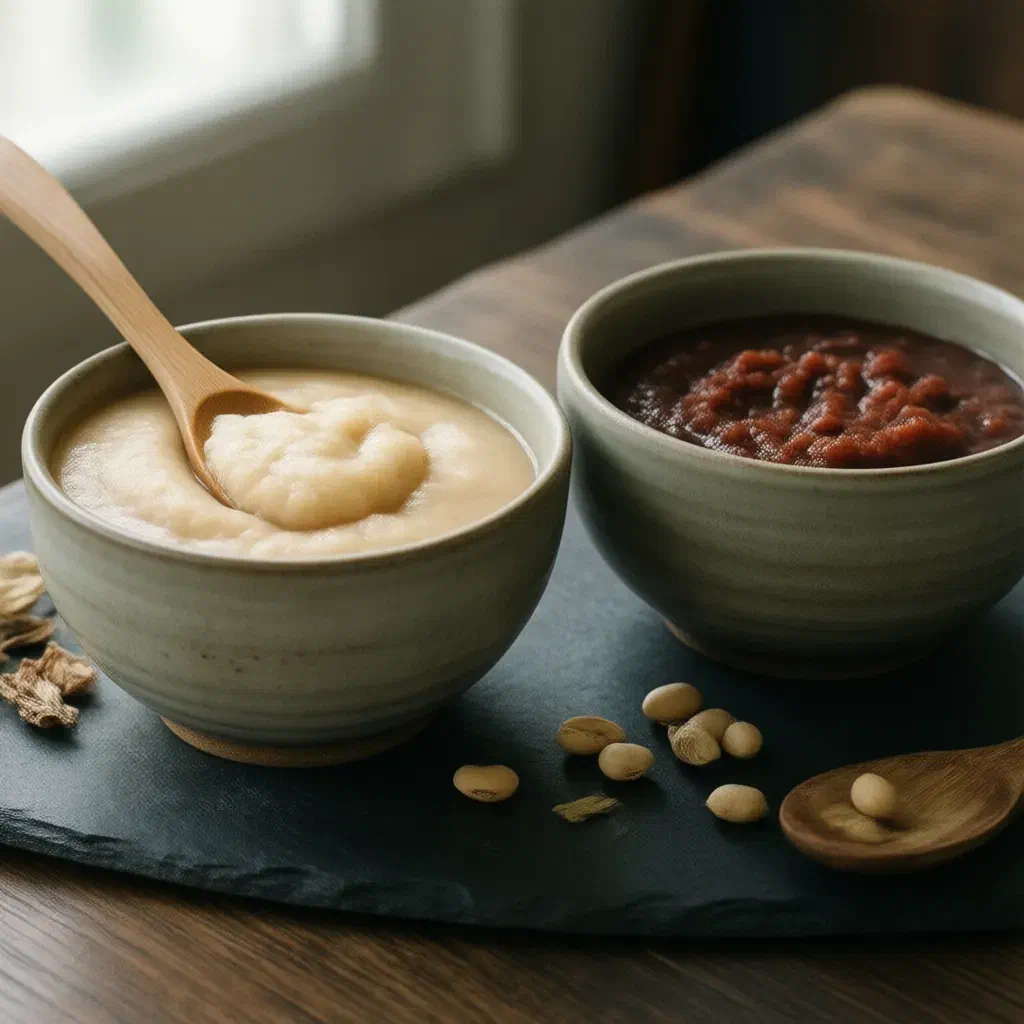
To make miso, cooked soybeans are mashed and mixed with salt and koji. Koji is rice or barley on which the mould Aspergillus oryzae has been grown. Its enzymes break down protein and starch. As the miso matures, this produces amino acids, sugars and the typical umami flavour. White miso (shiro miso) contains a lot of rice koji and matures for only a few weeks to a few months. Red miso (aka miso) matures for a year or longer and becomes darker and saltier. Hatcho miso from Okazaki in Aichi Prefecture is made from soybeans alone and matures for one and a half to more than two years. Awase miso is a blend of light and dark miso. Early forms of the paste came from China, and over the centuries Japan developed many regional varieties from them.
Flavour and uses
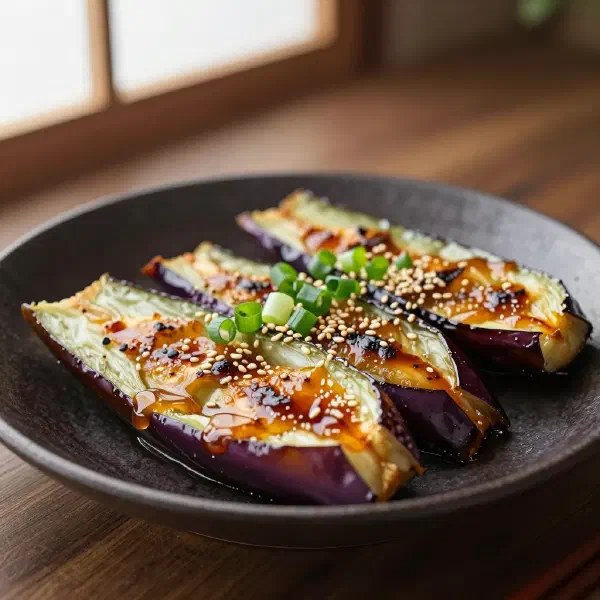
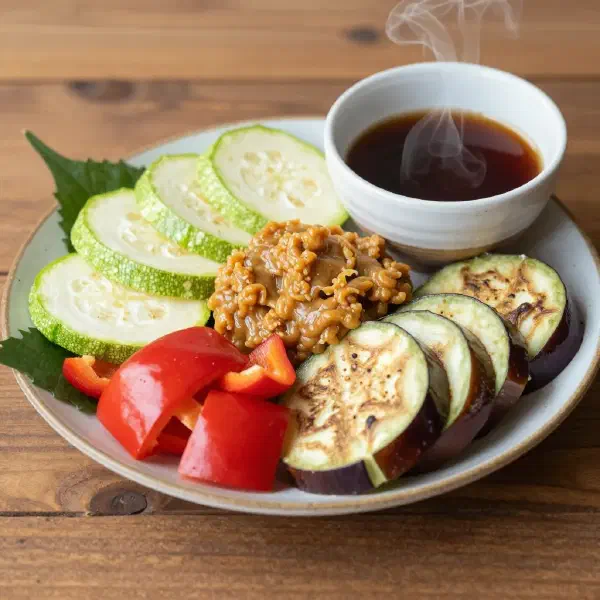
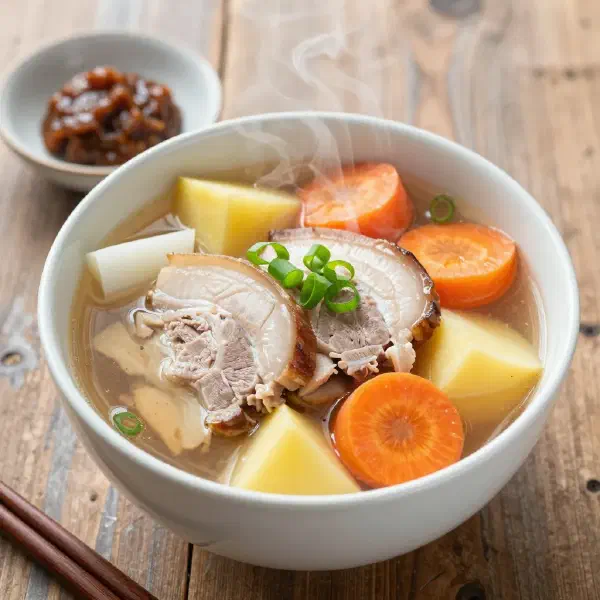
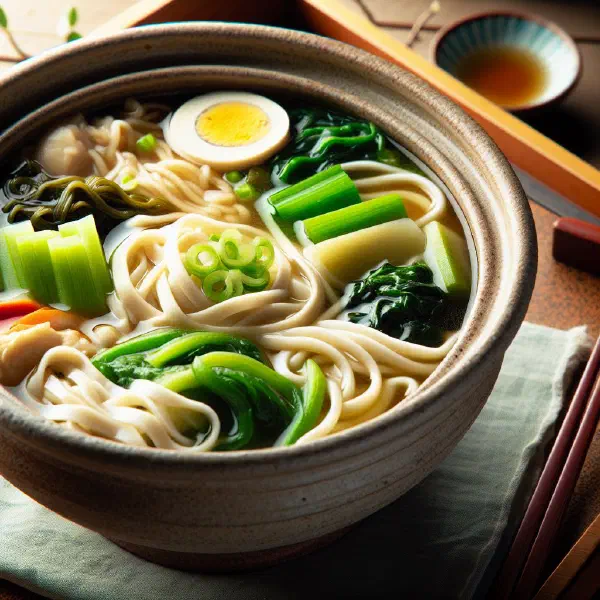
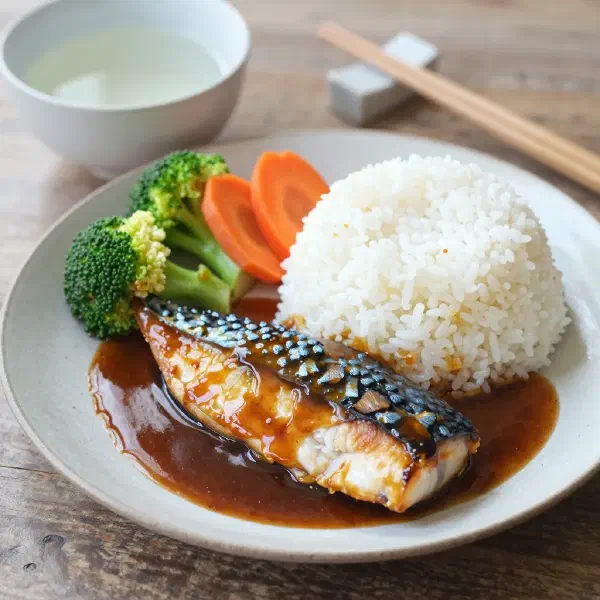
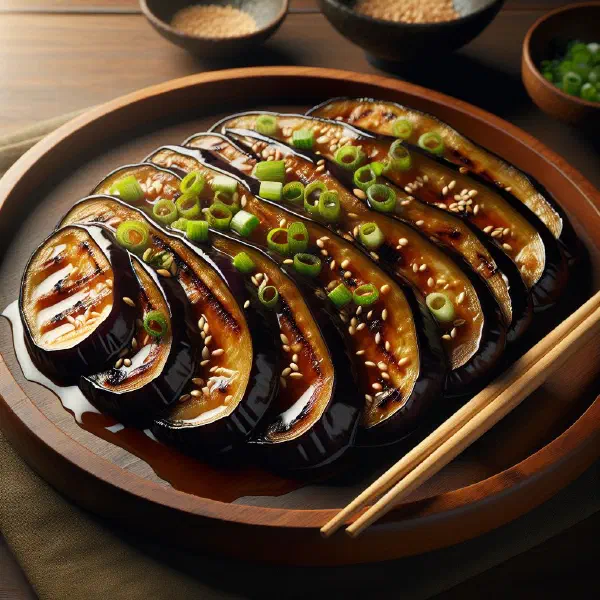
Light miso tastes rounded and slightly sweet, red miso salty, deep and a little bitter. For classic miso soup, stir the paste into the dashi only at the end and do not let it boil again, or it loses its aroma. In Nagoya, Miso Katsu is a breaded cutlet topped with a thick red miso sauce. For Nasu Dengaku, a sweet miso glaze is spread on halved aubergines, which are then briefly grilled. One tablespoon is enough for about 200 ml of broth. Miso also works in salad dressings, with salmon and in vegetable stir-fries. If you make your own miso, allow several months for it to mature.
Buying miso: what to look for
You will find miso at Asian grocers, health-food shops and many supermarkets, usually in the chilled section. Check the ingredients list. Good miso contains soybeans, koji (rice or barley), salt and water. Additives such as MSG or dashi powder show that it is a seasoning blend. Unpasteurised miso still contains live cultures. Light miso is a good place to start, as it is more versatile than red. Barley miso (mugi miso) is not gluten-free.
Storage and shelf life
Miso keeps for a long time because of its high salt content. Once opened, store it tightly closed in the fridge, where it lasts for many months. Light miso darkens over time and tastes stronger, but that does not mean it has gone off. A piece of cling film pressed onto the surface stops it drying out.
What can you use instead of miso?
The closest substitute is Korean soybean paste (doenjang). It is stronger, so use about two thirds of the amount of miso given. If you have no Asian grocer nearby, a simple mixture helps. For 1 tbsp miso, stir 2 tsp light soy sauce with 1 tsp tahini or smooth peanut butter. It brings salt and umami but does not reach the depth of matured miso.