Nori: What It Is, How to Use It and Substitutes
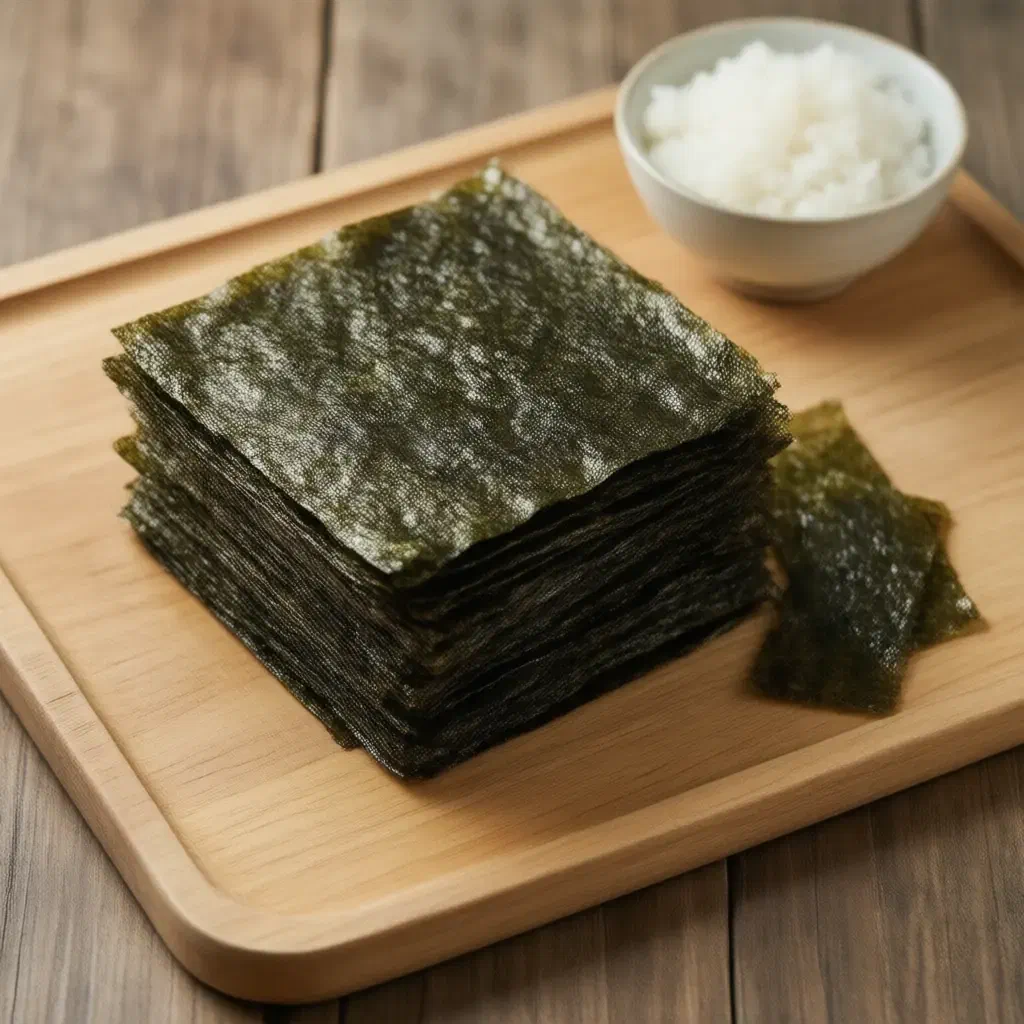
What is nori?
Nori is made from red algae of the genus Pyropia, formerly called Porphyra. Japan, Korea and China grow it on nets in shallow coastal waters. Japan’s largest growing area is the Ariake Sea on the island of Kyushu. After harvesting, the seaweed is washed, finely chopped and spread thinly on frames to dry, much like papermaking. This gives the typical sheets of about 19 by 21 centimetres. For sushi they are then briefly toasted, which in Japanese is called yaki-nori. The colour changes from purplish black to dark green. Korean gim is often thinner and is frequently sold seasoned with sesame oil and salt.
Flavour and uses
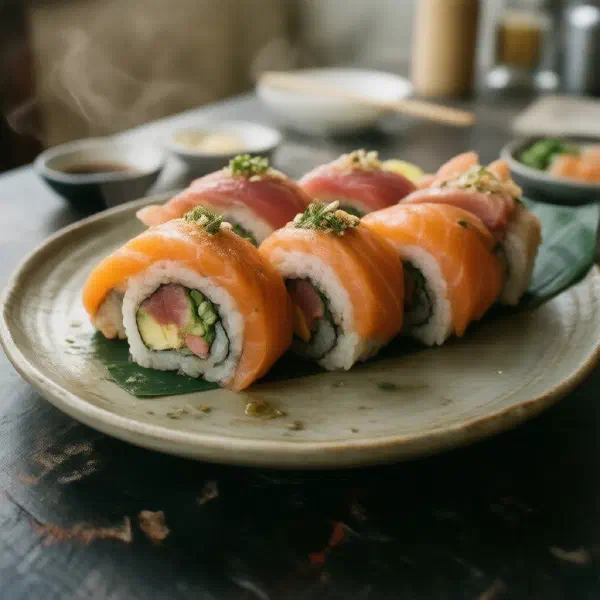
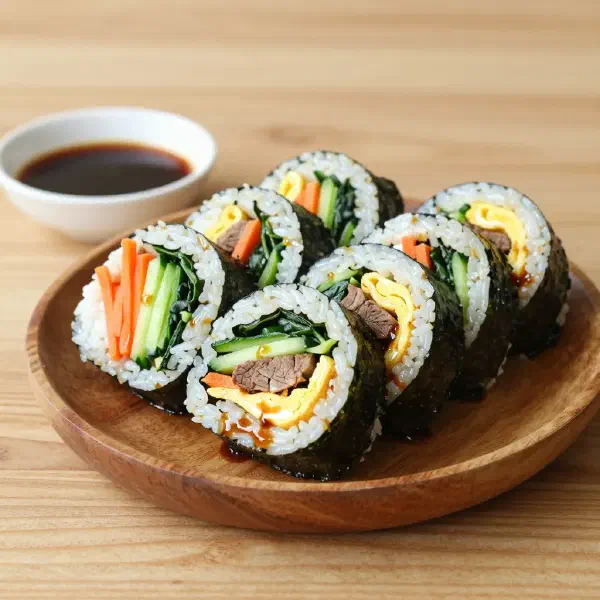
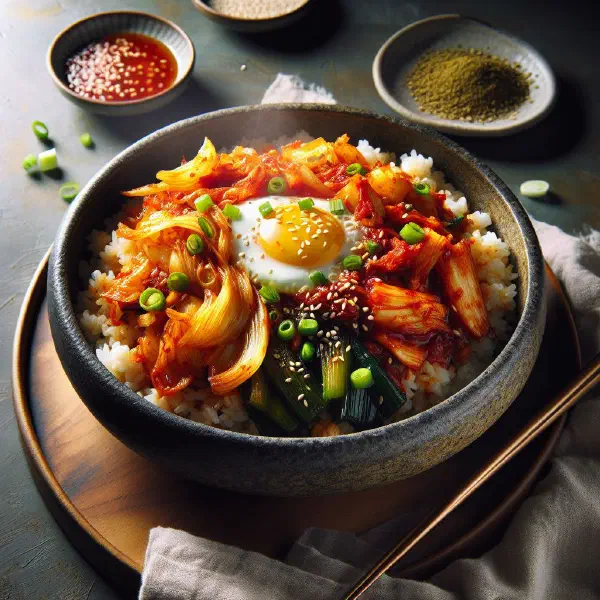
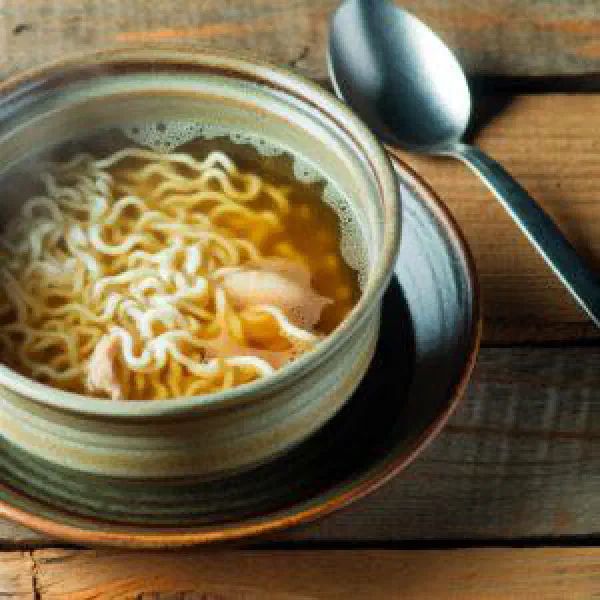
Toasted nori tastes salty, slightly sweet and savoury of the sea, with pronounced umami. Fresh, it is crisp. In contact with moist rice it turns soft and chewy. For maki and Temaki Sushi, place the sheet with the smooth, shiny side facing out. Wrap Onigiri just before eating so that the nori stays crisp. Korean Gimbap rolls rice seasoned with sesame oil, vegetables, egg and meat or fish in a sheet. Cut into strips, nori goes on ramen, rice bowls and ochazuke. Crumbled, it belongs in furikake, the Japanese seasoning for rice.
Buying nori: what to look for
Sushi nori is sold in the world food aisle of most supermarkets, usually in packs of 5 or 10 sheets. Asian grocers offer larger packs of 50 sheets as well as seasoned Korean gim. If you want to roll sushi, look for ‘roasted’ or yaki-nori on the label. Good sheets are an even dark green to black, glossy and free of holes. Reddish or brownish, very thin sheets are usually of lower quality and tear more easily.
Storage and shelf life
Nori quickly absorbs moisture and becomes chewy. Seal opened packs airtight, ideally with the sachet of desiccant included, and store them somewhere cool and dark. This way the sheets stay good for several months. If nori has gone soft, pass the sheet over a gas flame for a few seconds or put it briefly in a hot, dry pan until it crackles again.
What can you use instead of nori?
For wrapping sushi you can use soy paper, mamenori in Japanese, which Asian grocers sell in coloured sheets. It tastes neutral and is softer. A traditional alternative is a paper-thin omelette made from 1 egg, 1 tsp water and a pinch of salt, cooked in a large pan. If you only want the taste of the sea, sprinkle aonori, green seaweed flakes, or a little crumbled seasoned gim over the dish.