Paneer: What It Is, How to Use It and Substitutes
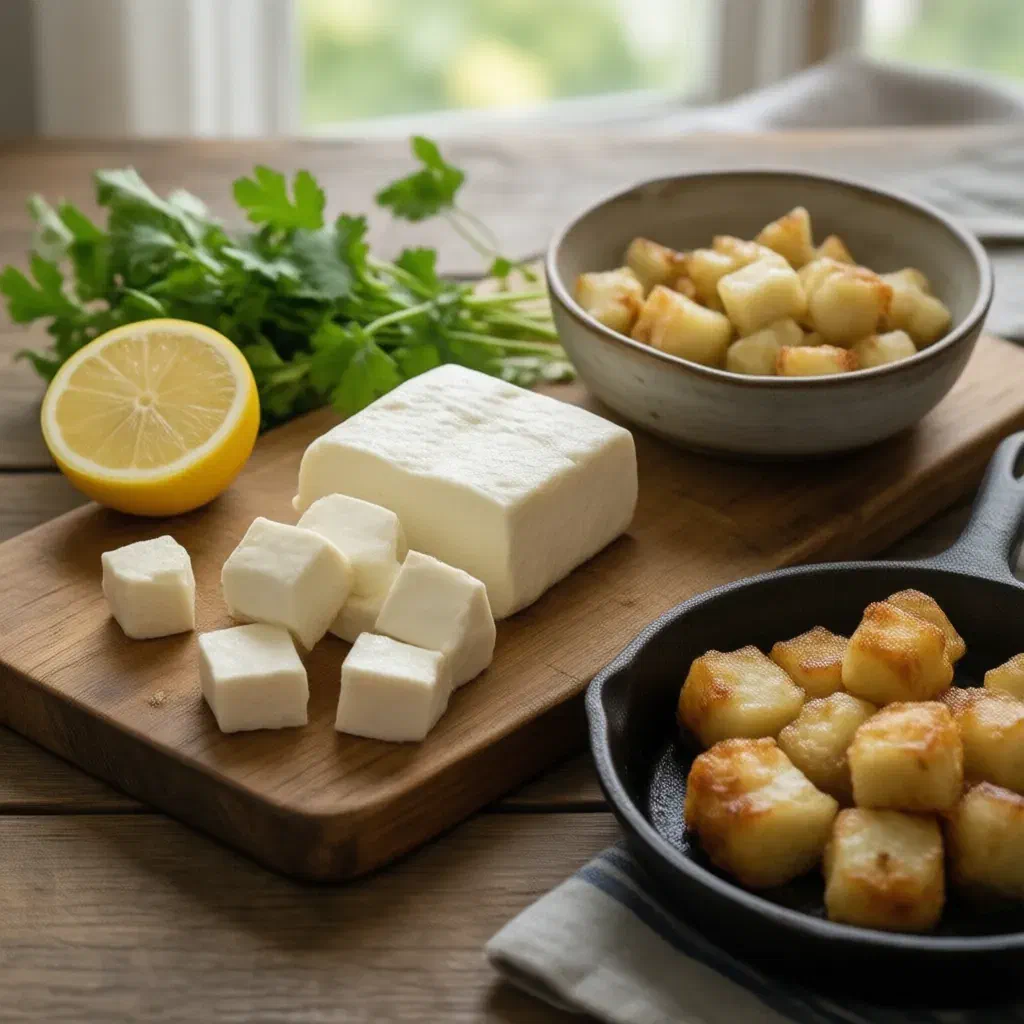
What is paneer?
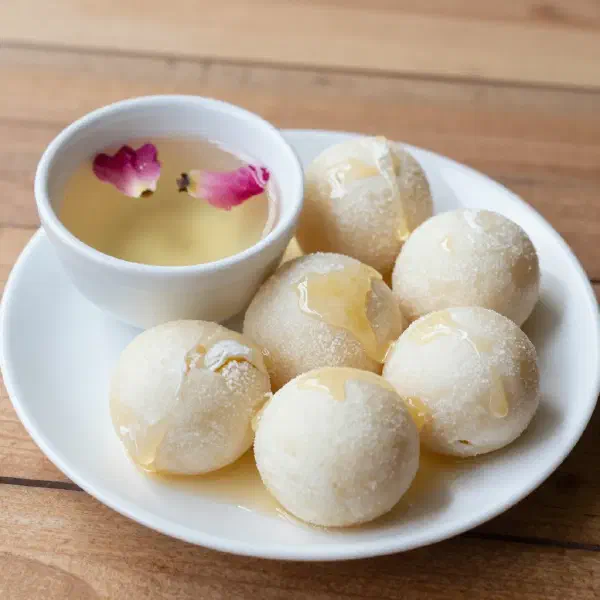
To make paneer, whole milk is brought to the boil and mixed with lemon juice, vinegar or whey from yoghurt. The protein curdles and the greenish whey separates. The curds are poured through a cloth, rinsed briefly and pressed under a weight into a firm block. Unpressed and crumbly, the same curds are called chhena in Bengal and are used for sweets such as rasgulla. Because no rennet is involved, paneer suits vegetarians who avoid animal rennet. One litre of whole milk makes about 180 to 200 g of paneer. Where the cheese first came from is not certain. Persian or Afghan influences are often mentioned, while another theory traces acid-setting back to Portuguese traders in Bengal. Neither has been proven.
Flavour and uses
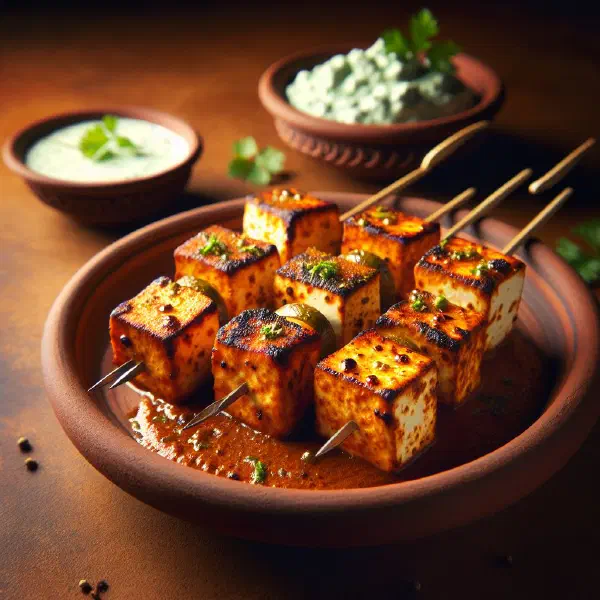
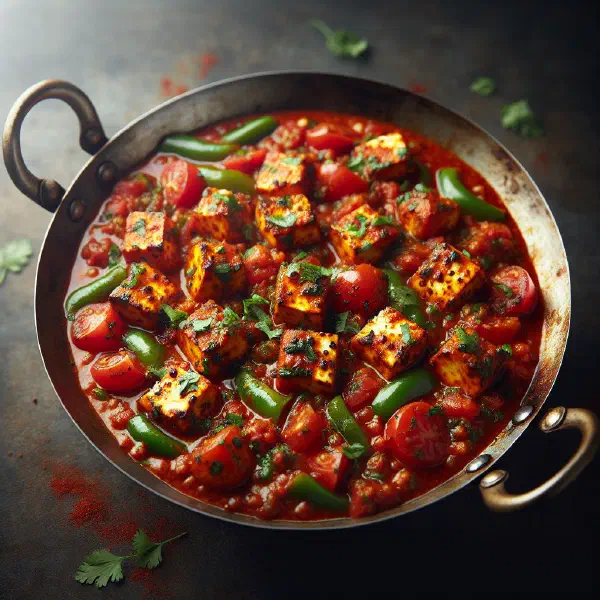
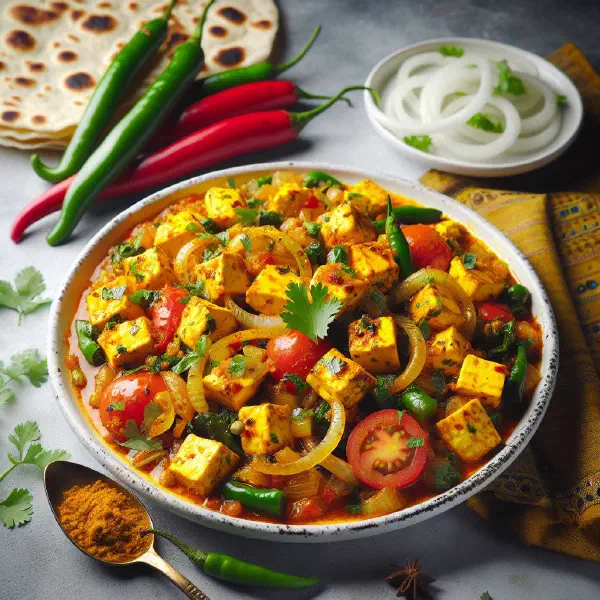
Paneer tastes mild and lightly milky, with no salt and no sourness. Its strength is its texture. It does not melt but browns at the edges in a pan and stays soft inside. That is why it is cubed for curries such as Palak Paneer with spinach or Paneer Butter Masala in a tomato and cream sauce. For Paneer Tikka, larger cubes go into a spiced yoghurt marinade and then onto the grill. Paneer bhurji is crumbled paneer with onions and tomatoes, rather like scrambled eggs. Put briefly fried cubes into hot salted water for ten minutes before using them further. They will then stay soft in the curry.
Buying paneer: what to look for
You will find paneer in the chilled section of Indian and Pakistani grocers, and often at Asian grocers too. Many supermarkets now stock it next to halloumi and feta. Good paneer is white to cream-coloured, firm and smells fresh and milky. A sour smell or a slimy surface are bad signs. Factory-made paneer is usually pressed harder and is a little more rubbery than fresh paneer from an Indian shop. Frozen paneer works well for curries.
Storage and shelf life
Shop-bought paneer keeps unopened until its use-by date. Once opened, put it in a container of cold water, change the water daily and use it within three days. Homemade paneer keeps for two to three days in the fridge. Frozen in cubes, it stays good for about three months, after which it is slightly more crumbly.
What can you use instead of paneer?
Halloumi comes closest. It fries just as well but is saltier. Soak 200 g cubed halloumi in cold water for 15 minutes and add hardly any salt to the curry. For a vegan version, press 200 g plain tofu between kitchen paper for 20 minutes and fry the cubes until golden brown. Best of all is homemade paneer from 1 litre of whole milk and 3 tbsp lemon juice, pressed under a pan filled with water.