Rice Vinegar: What It Is, How to Use It and Substitutes
What is rice vinegar?
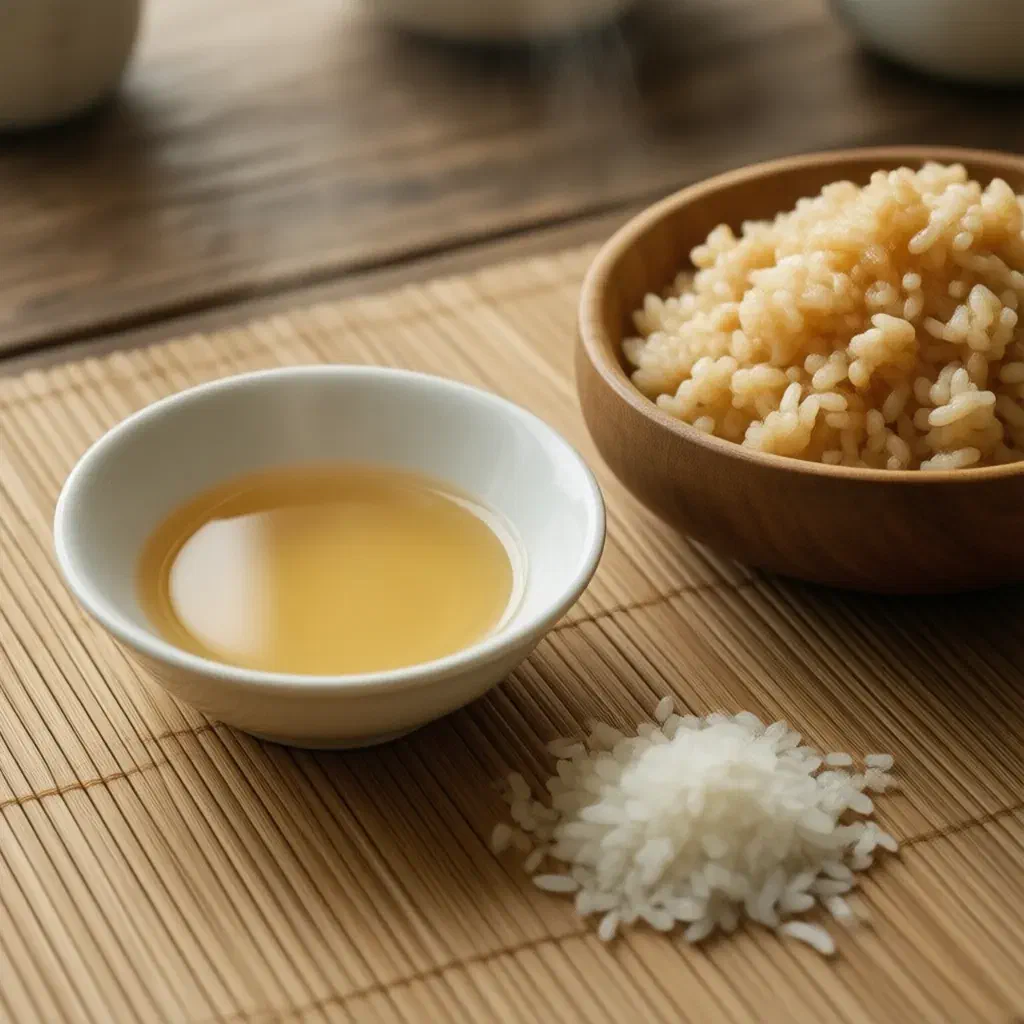
To make rice vinegar, rice is first fermented into a kind of rice wine. Acetic acid bacteria then turn the alcohol into acetic acid. Japanese rice vinegar, called komezu, is pale yellow to colourless and usually has about 4–4.5 per cent acidity. Wine vinegar, by comparison, usually has around 6 per cent. On top of that there is a slight sweetness from the rice. In China, besides light rice vinegar, there is also red vinegar and the dark, malty black vinegar, the best-known type of which comes from Zhenjiang and is made from glutinous rice. Cheaper Japanese grain vinegar contains wheat or maize as well as rice and tastes flatter. Seasoned rice vinegar, sushi-zu in Japanese, already contains sugar and salt.
Flavour and uses
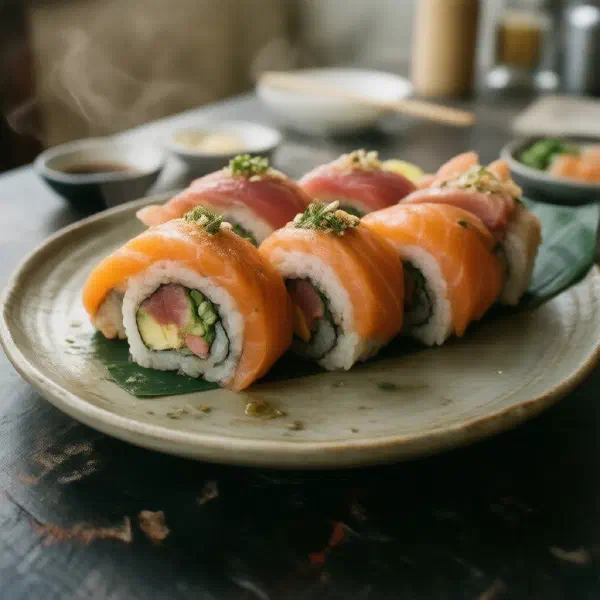
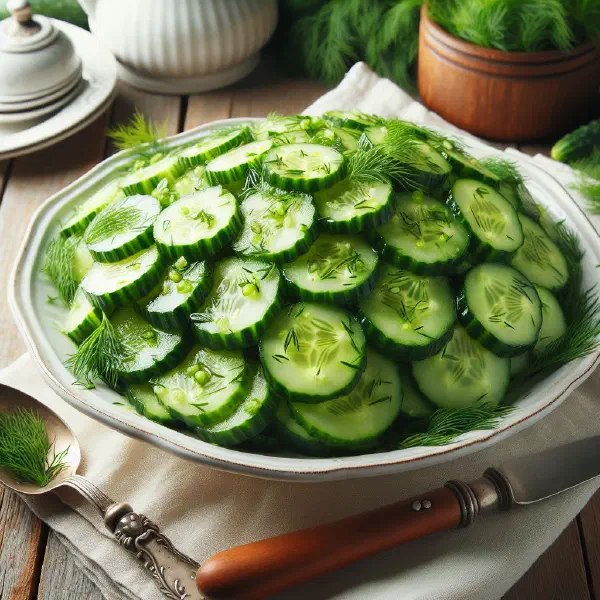
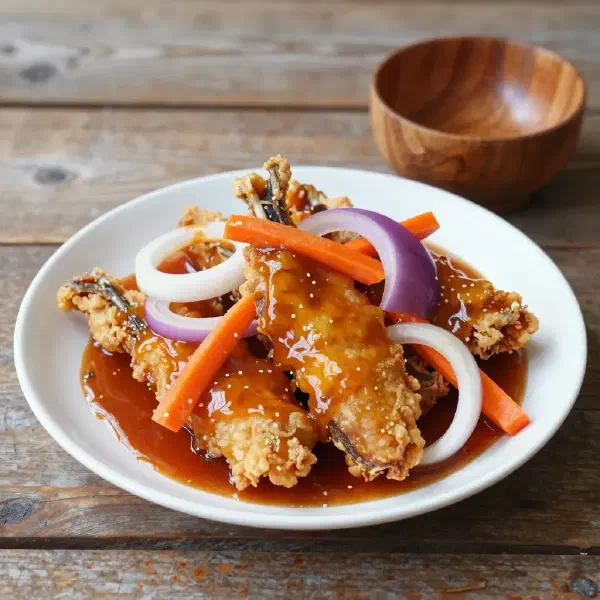
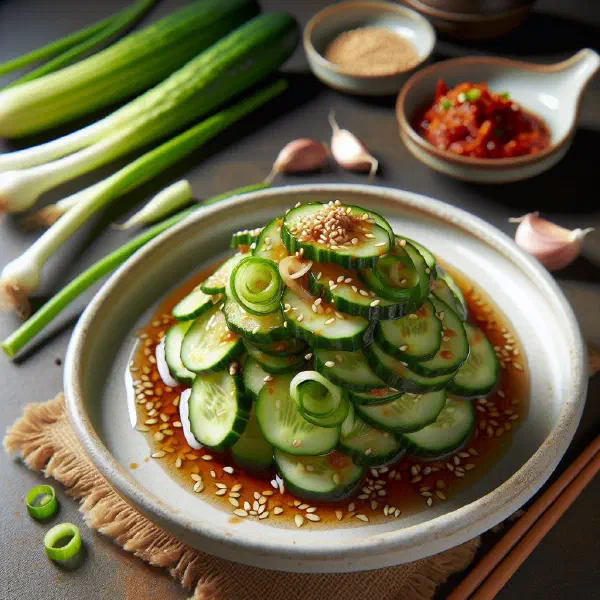
Light rice vinegar tastes mildly sour, slightly sweet and hardly sharp at all. It does not push itself forward, which is why it suits fish, cucumber and rice. Its most important job in Japan is sushi rice. For Sushi, you mix it with sugar and salt and fold it through the warm rice. It also goes into sunomono, cucumber or seaweed salads, and into marinades for pickled fish. In China it seasons sauces such as the one for Kung Pao chicken, and dips for dumplings. Taiwanese Cucumber Salad gets its fresh acidity from rice vinegar, garlic and sesame oil. It is also common in Vietnamese dipping sauces and Korean vegetable side dishes.
Buying rice vinegar: what to look for
Many larger supermarkets carry rice vinegar in their world foods aisle, and Asian grocers have a wider choice. Read the label carefully. If it says sushi vinegar or seasoned rice vinegar, or lists sugar and salt, it is already seasoned. In that case, leave those ingredients out of the recipe. For general cooking, unseasoned rice vinegar is more versatile. In good Japanese rice vinegar, rice is the main raw material, not wheat, maize or added alcohol. Only buy Chinese black vinegar if a recipe specifically asks for it.
Storage and shelf life
Thanks to its acidity, rice vinegar keeps for a very long time. Store the closed bottle in the dark at room temperature; it does not need to go in the fridge. Even after opening, it stays usable well beyond the best-before date, though it slowly loses some aroma. If a jelly-like layer forms, the so-called mother of vinegar, it is harmless. Simply pour the vinegar through a sieve.
What can you use instead of rice vinegar?
Mild cider vinegar is the closest match. For 1 tbsp rice vinegar, use 2 tsp cider vinegar, 1 tsp water and a pinch of sugar. White wine vinegar also works, but dilute it a little more: 1½ tsp vinegar and 1½ tsp water with a pinch of sugar. For sushi rice, replace 3 tbsp rice vinegar with 2 tbsp cider vinegar, 1 tbsp water, 1 tbsp sugar and 1 tsp salt. Distilled white vinegar is too harsh, and balsamic vinegar too dark and sweet.