Rose Water: What It Is, How to Use It and Substitutes
What is rose water?
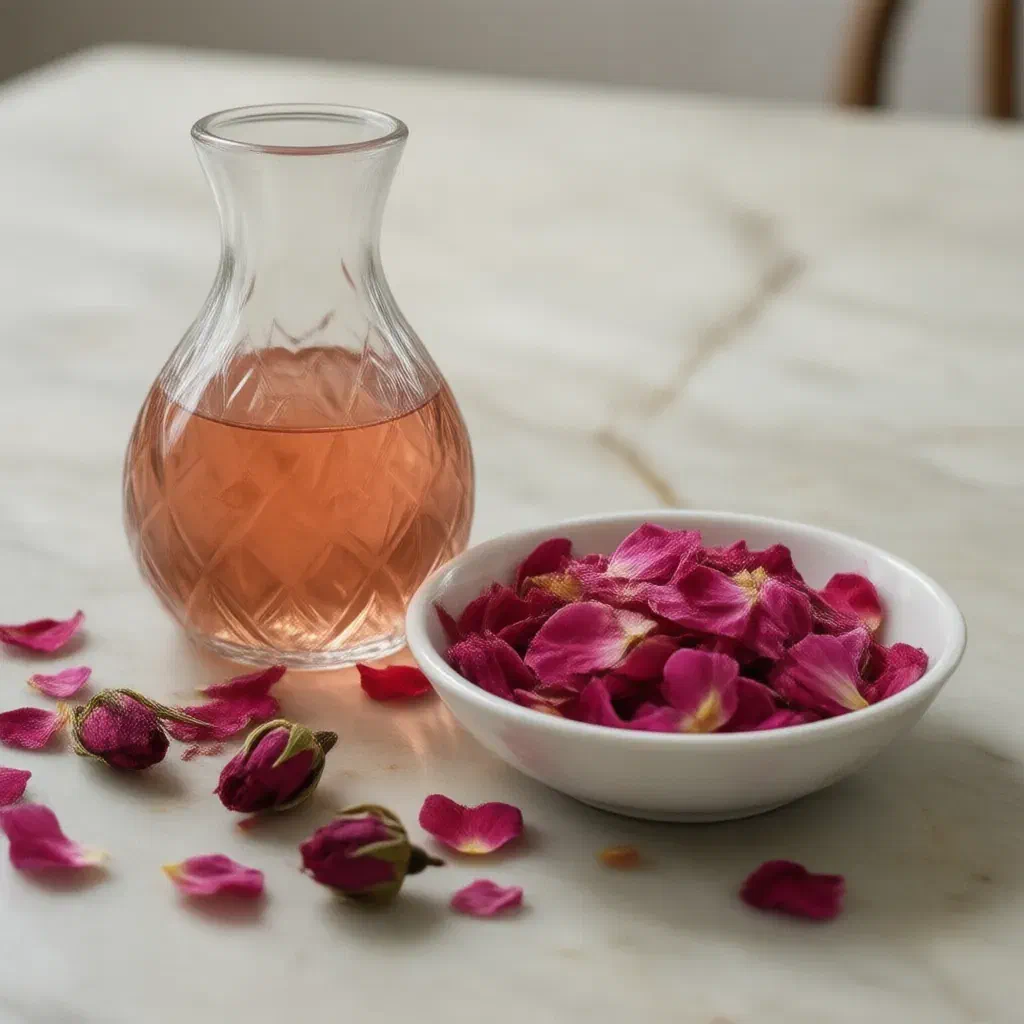
To make rose water, fresh rose petals, usually from the damask rose, are steam-distilled. This produces essential rose oil, which settles on top, and beneath it a fragrant water called a hydrosol. This water is rose water. It contains only a tiny amount of oil, so it is clear and mild enough for cooking. Several tonnes of petals are distilled for one kilogram of rose oil, so rose water is produced in large quantities along the way. Important growing areas include the region around Kashan in Iran, where the spring rose harvest is celebrated with a festival, the Rose Valley near Kazanlak in Bulgaria, and the province of Isparta in Turkey. Good-quality rose water consists only of distilled rose petal water with nothing added.
Flavour and uses
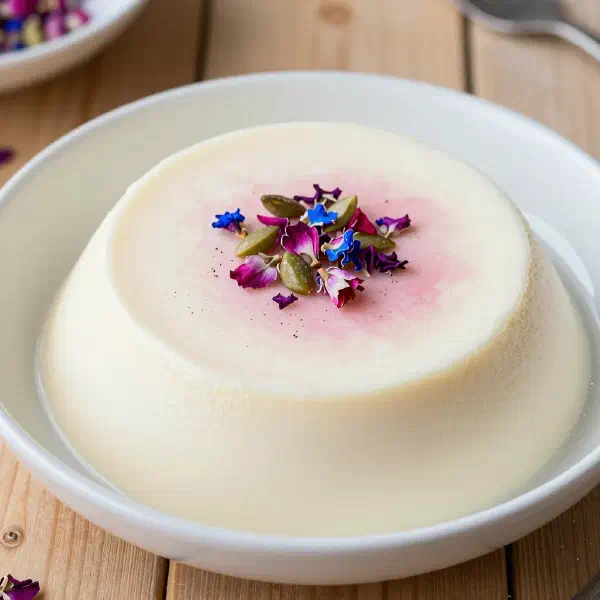
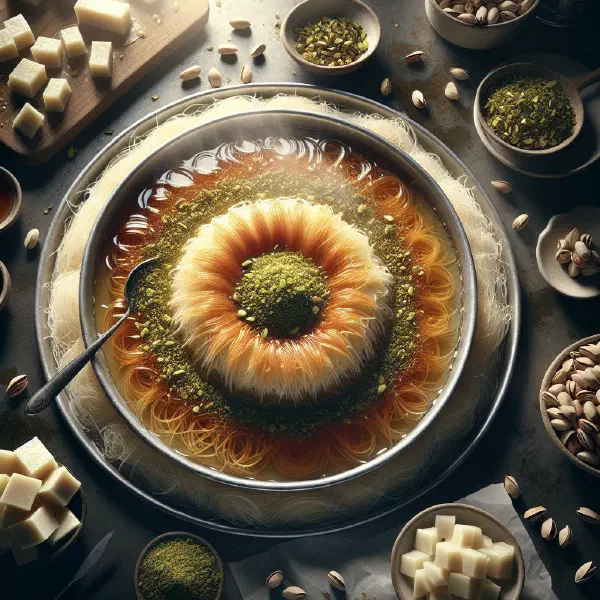
Rose water smells strongly of fresh roses and tastes lightly floral, with no sweetness. In cooking, measure it by the drop or the teaspoon. Too much quickly tastes soapy. In Indian gulab jamun it flavours the sugar syrup in which the fried dough balls soak. Lebanese milk pudding Mouhalabieh gets a splash of rose water, as does Azerbaijani Firni, made with rice flour and milk. In Turkey, the Balkans and the Middle East it goes into Turkish delight and often into the syrup for baklava and kunafa. Add it as late as possible in cooking or to cooled syrup, as heat weakens the fragrance.
Buying rose water: what to look for
Culinary rose water is sold in Turkish, Persian, Middle Eastern and Indian grocers, usually in 250 or 500 ml bottles. Some supermarkets and online shops stock it too. Make sure it is clearly sold as a food product. Cosmetic rose water can contain preservatives. The ingredients list should show only rose water or rose petal distillate, with no flavourings. If the water smells of perfume rather than petals, flavouring has usually been added.
Storage and shelf life
Store rose water somewhere cool and dark, as light and heat break down the fragrance. Once opened, it is best kept in the fridge and used within a few months. If the water turns cloudy or flaky, or smells musty instead of rosy, throw it away.
What can you use instead of rose water?
The obvious substitute is orange blossom water in the same amount. It comes from the same culinary tradition but tastes of bitter orange blossom rather than rose. It works well in milk puddings and syrups. If you have neither, use one drop of natural rose extract in a teaspoon of water for each teaspoon of rose water, and go carefully. Without any floral flavouring, a hint of vanilla or ground cardamom can help. The dish will taste different but still balanced.