Shiitake: What It Is, How to Use It and Substitutes
What is shiitake?
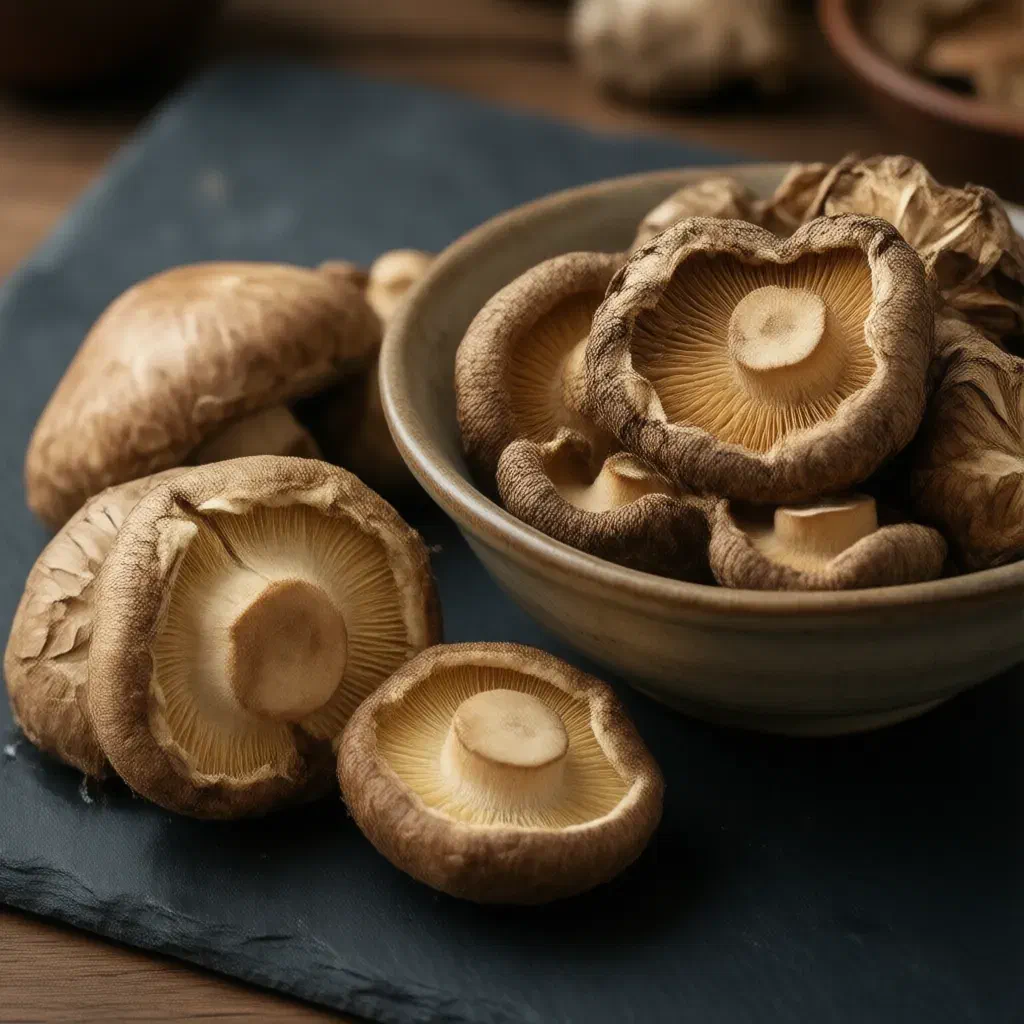
Shiitake, botanically Lentinula edodes, grows wild on dead hardwood in China, Japan and Korea. The Japanese name combines shii, a type of tree, with take, meaning mushroom. In China, growing them on logs has been documented in writing since the 13th century. Today most of the mushrooms come from farms that use substrate blocks made of sawdust, many of them in China. The cap is light to dark brown and often has a pale edge that is curled under at first. The stems are fibrous and tough. Dried shiitake taste more intense than fresh ones, because drying creates the flavour compounds responsible for their typical umami taste.
Flavour and uses
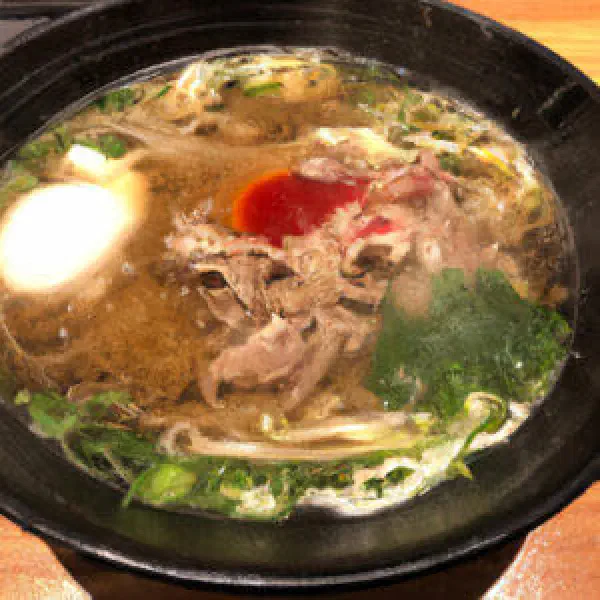
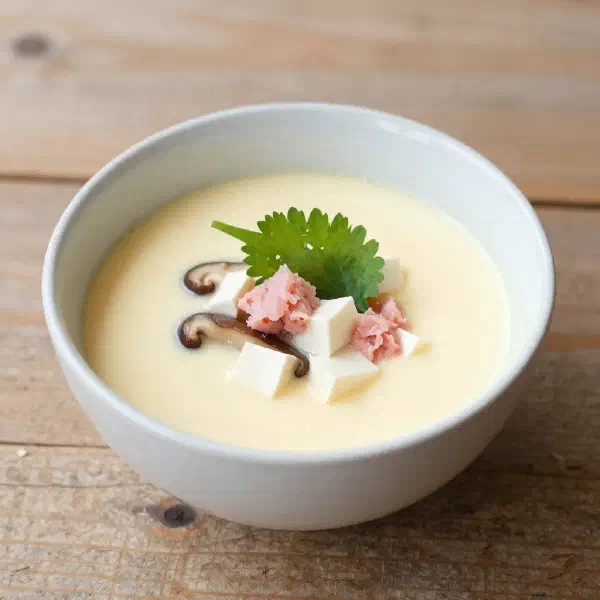
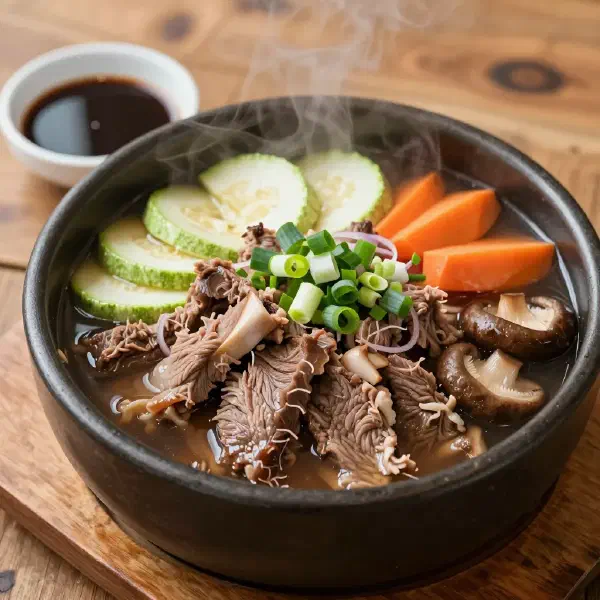
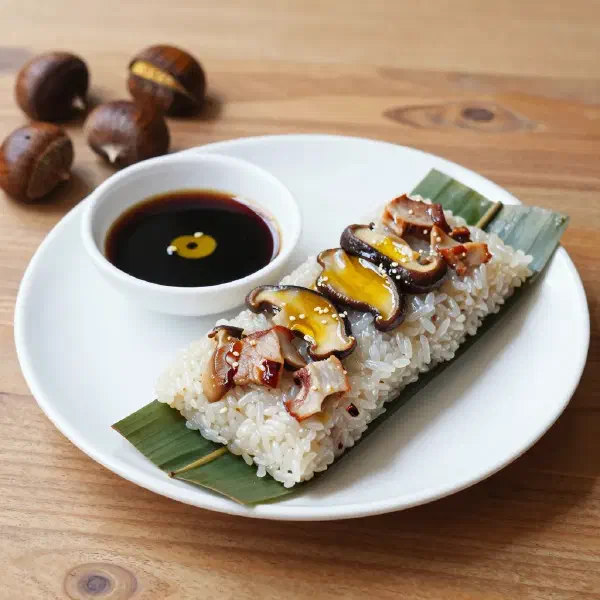
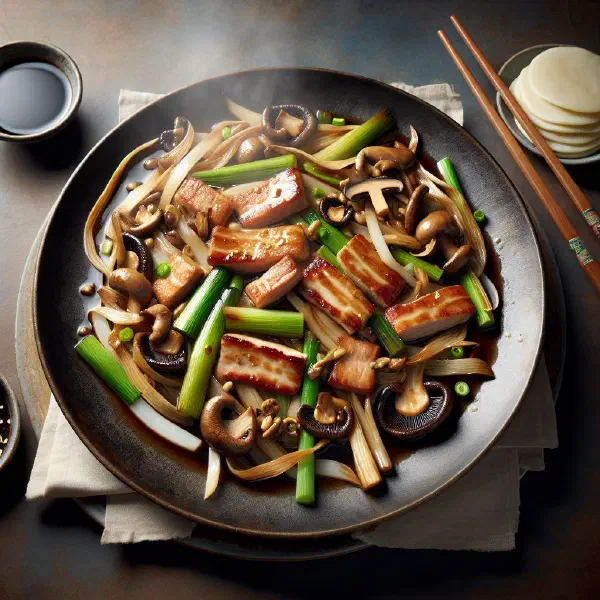
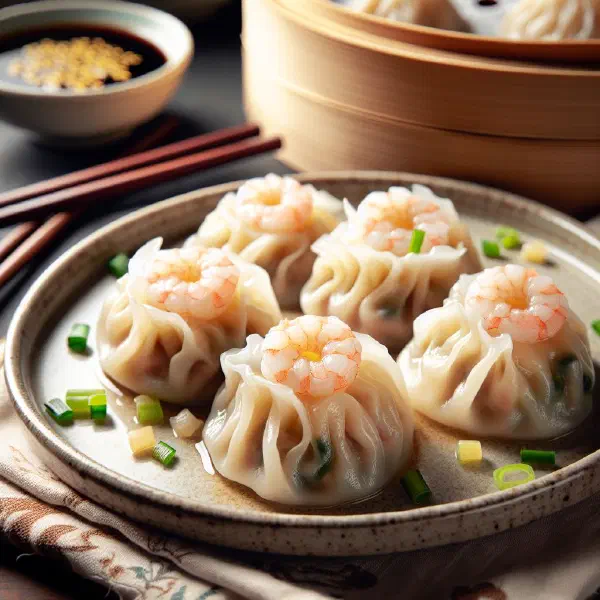
Fresh shiitake taste mild, nutty and earthy, while dried ones are much stronger, almost smoky. Slice fresh mushrooms and sear them over high heat, or simmer them in a stew, as in Japanese Sukiyaki or the savoury egg custard Chawanmushi. Soak dried shiitake in warm water for 30 minutes or in cold water overnight before cooking. The soaking water makes a good stock for soups and sauces. In Taiwan they are braised in soy sauce for Braised Mushroom Rice, and in China and Singapore they go into the filling of sticky rice parcels and dumplings. Cut off the tough stems and simmer them in the stock. Always cook shiitake thoroughly. Eaten raw or undercooked in particular, they can cause an itchy, streaky skin rash in some people.
Buying shiitake: what to look for
Most supermarkets sell fresh shiitake in the vegetable section, often in 150 g punnets. The caps should be firm, dry and plump, without slimy or dark patches. Every Asian grocer has dried shiitake, usually cheaper than fresh. Thick caps with a pale, cracked pattern are especially prized, known in Chinese as hua gu, or flower mushroom. Thin, flat types work well for stock.
Storage and shelf life
Keep fresh shiitake in the fridge in a paper bag, not in plastic, or they turn slimy. Stored like this, they last about a week. Wash them only just before cooking, or simply wipe them with kitchen paper. Dried shiitake keep well for at least a year in an airtight jar in a dry, dark place. Use soaked mushrooms within two days.
What can you use instead of shiitake?
Instead of 100 g fresh shiitake, use 100 g chestnut mushrooms or king oyster mushrooms. For more depth, also soak 5 g dried porcini and add the soaking water to the pot. In broths, dried shiitake are best replaced by the same amount of dried porcini. The flavour is different but similarly savoury. Oyster mushrooms suit a stir-fry, but bring less flavour.