Soy Sauce: What It Is, How to Use It and Substitutes
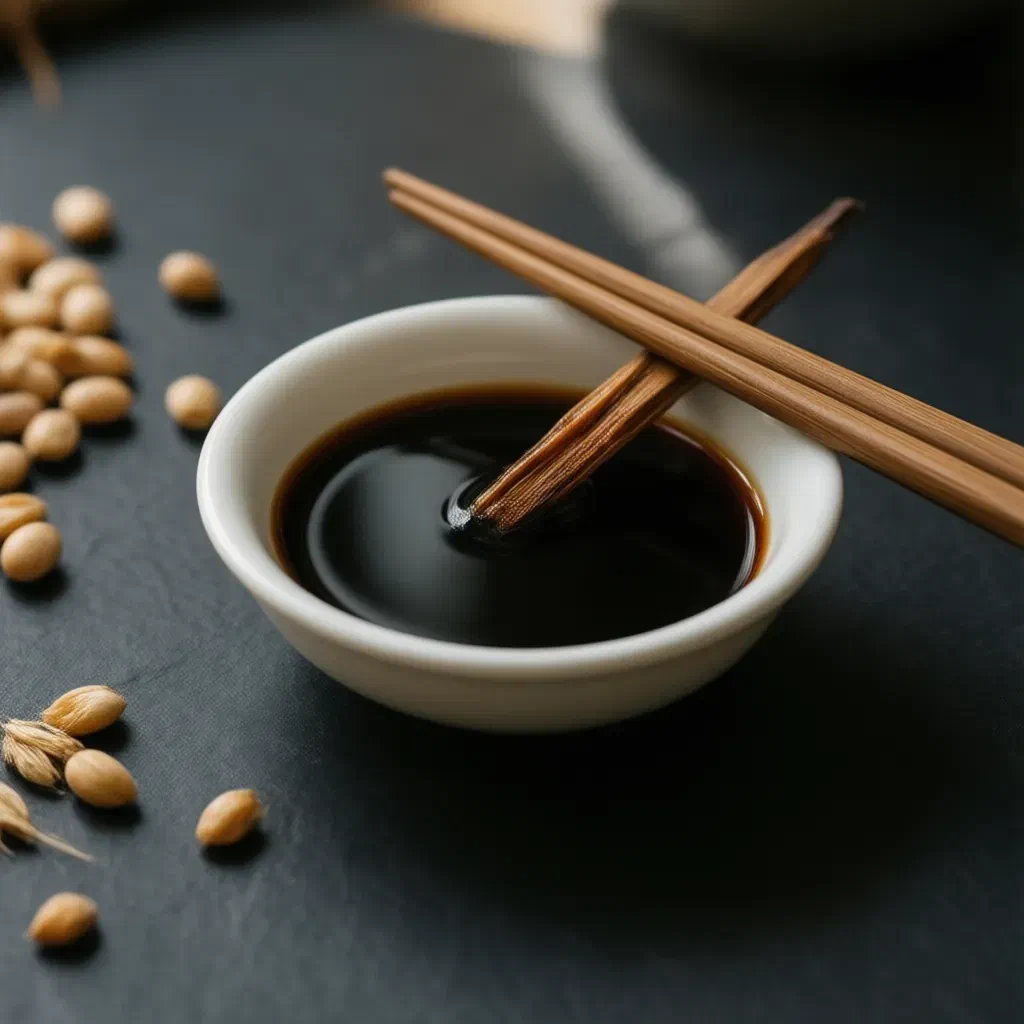
What is soy sauce?
For traditionally brewed soy sauce, cooked soybeans are mixed with roasted wheat and inoculated with the mould Aspergillus oryzae, known in Japan as koji. The mixture then goes into brine and ferments for several months. During this time enzymes break down protein and starch, producing glutamate, sugars and many aroma compounds. Finally the mash is pressed, and the liquid is filtered and pasteurised. The method travelled from China to Japan, where the sauce is called shoyu. Japanese brands are widespread in Europe, which is why many Europeans get to know the Japanese style first. Cheap products, on the other hand, are made chemically from soy protein using acid. They taste flatter and saltier.
Flavour and uses
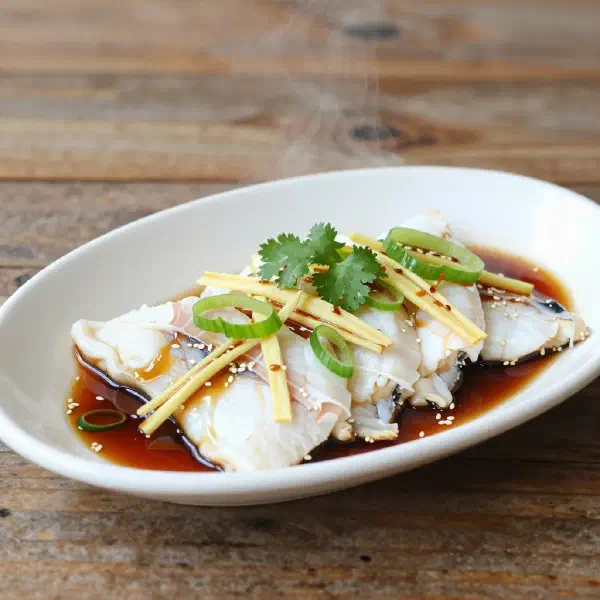
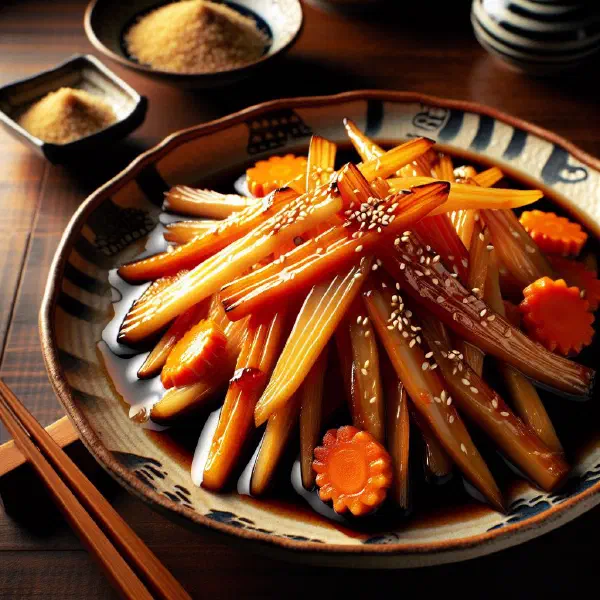
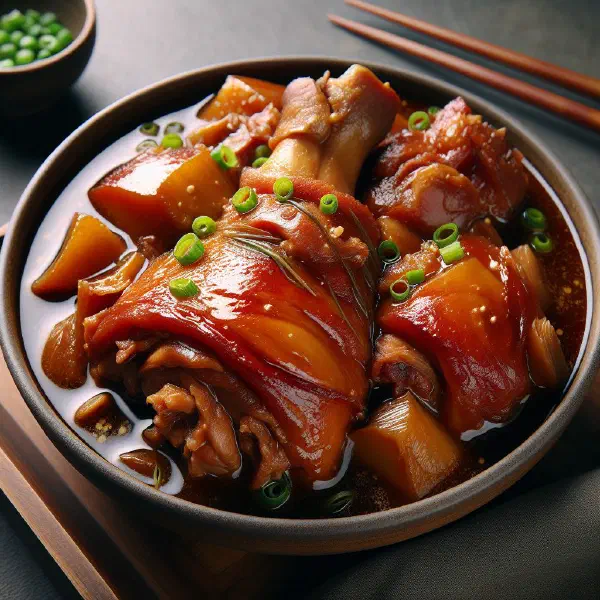
Soy sauce tastes salty and savoury, and good varieties also have a slight sweetness and roasted notes. It seasons marinades, stir-fries, soups and dips. Chinese cooking uses two basic types. Light soy sauce is thin and salty and is used for seasoning. Dark soy sauce is thicker and milder and gives braised dishes their brown colour. For Steamed Fish with Ginger and Soy it is poured over the fish together with hot oil. In Japan it is simmered with sugar and mirin to braise burdock root for Kinpira Gobo, and in the Philippines the pork knuckle for Pata Tim cooks in it. Go easy on the salt, as a tablespoon of soy sauce already brings plenty.
Buying soy sauce: what to look for
Every supermarket sells soy sauce, and Asian grocers have the wider choice. Look for the words naturally brewed and a short ingredient list of soybeans, wheat, salt and water. For Chinese recipes buy both light and dark soy sauce, for Japanese ones shoyu. Tamari contains little or no wheat, but it is only gluten-free if the label says so. Kecap manis from Indonesia is thick and very sweet.
Storage and shelf life
Unopened, soy sauce keeps for a long time. Check the best-before date on the bottle. Once opened, the salt means it hardly ever spoils, but it oxidises and becomes darker and harsher. In the fridge the flavour stays fresh for a few months. Small bottles make sense if you rarely cook with it.
What can you use instead of soy sauce?
Tamari replaces soy sauce 1:1 and is the best choice if you want to avoid wheat. Coconut aminos, a seasoning made from coconut blossom sap, is milder and sweeter, so use a little more. For 1 tbsp soy sauce you can also stir 1 tsp miso into 2 tsp warm water. Maggi seasoning will do in an emergency, but it tastes of lovage, so use only half the amount.