Turmeric: What It Is, How to Use It and Substitutes
What is turmeric?
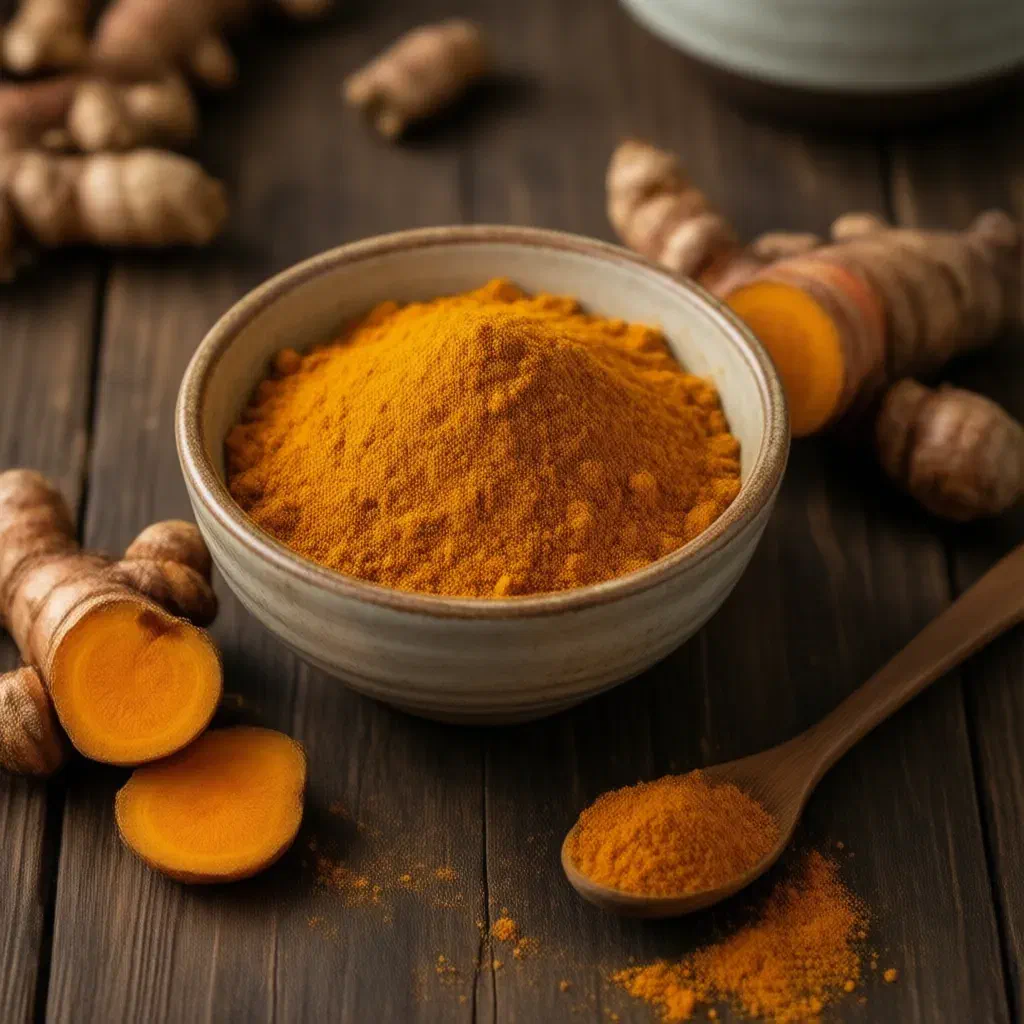
The turmeric plant (Curcuma longa) grows in the tropical regions of South and Southeast Asia. The part used is its underground stem, the rhizome. It looks like ginger but is bright orange inside. To make the powder, the roots are boiled, dried and ground. India is by far the largest producer and consumer. The yellow pigment is called curcumin. It colours food, and also hands, wooden boards and plastic bowls. Turmeric is a main ingredient of most curry powders and gives mustard and many processed foods their yellow colour. As a food colouring, curcumin carries the number E100. In South Asia turmeric is also used to dye fabric, and at weddings in India the bride and groom are traditionally rubbed with turmeric paste.
Flavour and uses
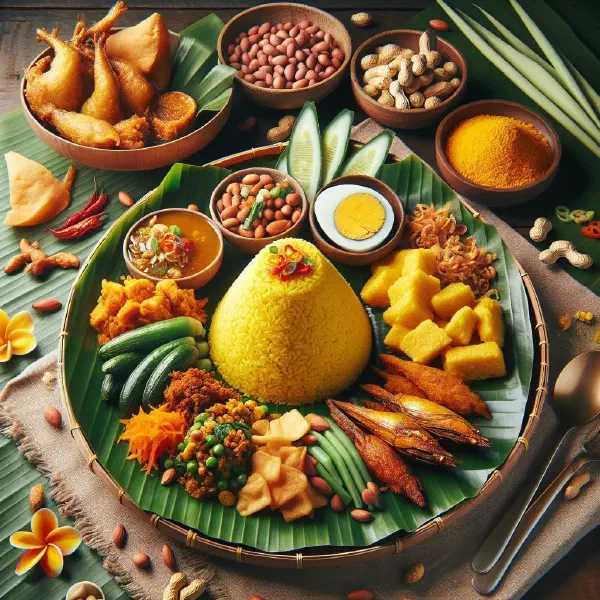
Turmeric tastes earthy and slightly bitter, with a hint of ginger. The powder brings out its flavour best if you fry it briefly in hot oil or ghee, for about 30 seconds. Otherwise it tastes dusty. In India it goes into dal, for example dal tadka with fried spices. In Indonesia rice is cooked with turmeric and coconut milk to make Nasi Kuning, the yellow rice served on festive occasions. The breakfast dish Kedgeree, made with rice, fish and egg, dates from British colonial times in India. Grate the fresh root as you would ginger into marinades, curry pastes and soups.
Buying turmeric: what to look for
Ground turmeric is sold in every supermarket. Indian, Middle Eastern and Asian grocers sell it in larger bags for much less. Look for a strong orange-yellow colour, as pale powder is old. Fresh turmeric root is available from Asian grocers and many supermarkets, often next to the ginger. It should be plump and firm, with no soft or wrinkled patches. Organic roots are a good choice because you can use the skin too.
Storage and shelf life
Turmeric powder keeps for one to two years in a dark, tightly closed jar. It loses flavour over time, though the colour lasts longer. Wrap fresh roots in a kitchen towel and keep them in the vegetable drawer of the fridge, where they stay good for two to three weeks. Frozen, they keep for several months and can be grated straight from the freezer.
What can you use instead of turmeric?
As a rule of thumb, 1 teaspoon of turmeric powder replaces about 1 tablespoon of freshly grated root, and the other way round. If you have neither, use a heaped teaspoon of mild curry powder, which already contains turmeric, for 1 teaspoon of turmeric. If it is only about colour, as in yellow rice, a pinch of saffron soaked in warm water will do. It tastes more delicate and costs more.