Umeboshi: What It Is, How to Use It and Substitutes
What are umeboshi?
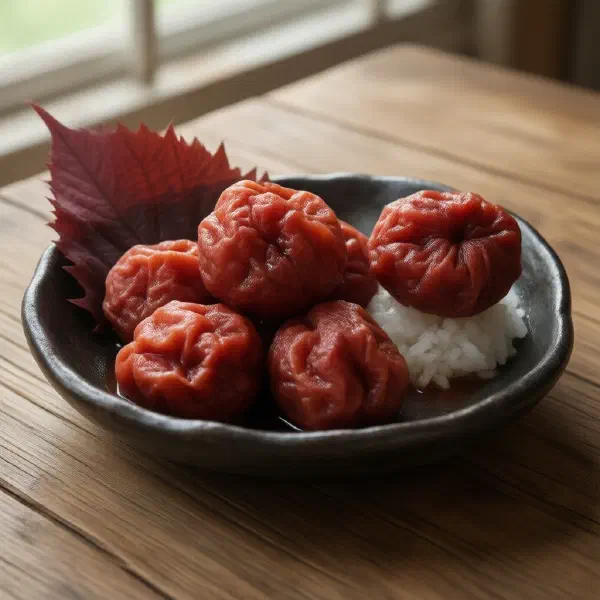
Ume (Prunus mume) is often translated as Japanese plum, but botanically it is closer to the apricot. The fruit is harvested in June, before it is fully ripe. It is layered with salt in barrels and weighted down. This draws out a salty, sour liquid, umeboshi vinegar (umezu). In high summer the fruit dries for three days and nights on mats in the sun. The red colour comes from red shiso leaves added during pickling. Traditional umeboshi contain around 20 per cent salt and a lot of citric acid. You can find a pickling recipe under homemade Umeboshi.
Flavour and uses
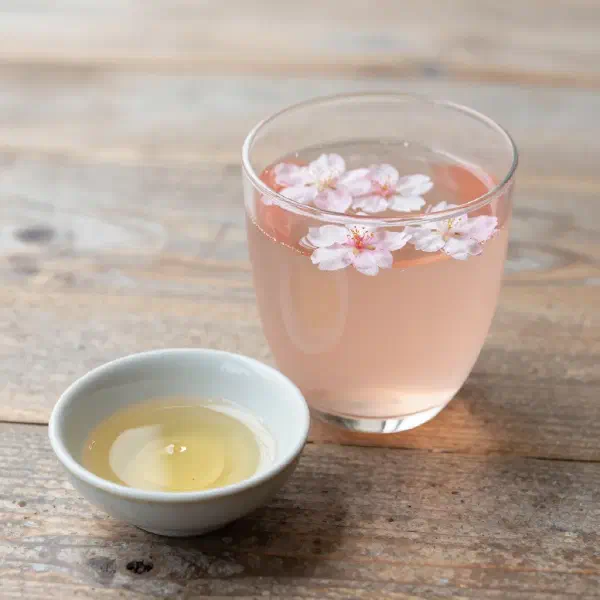
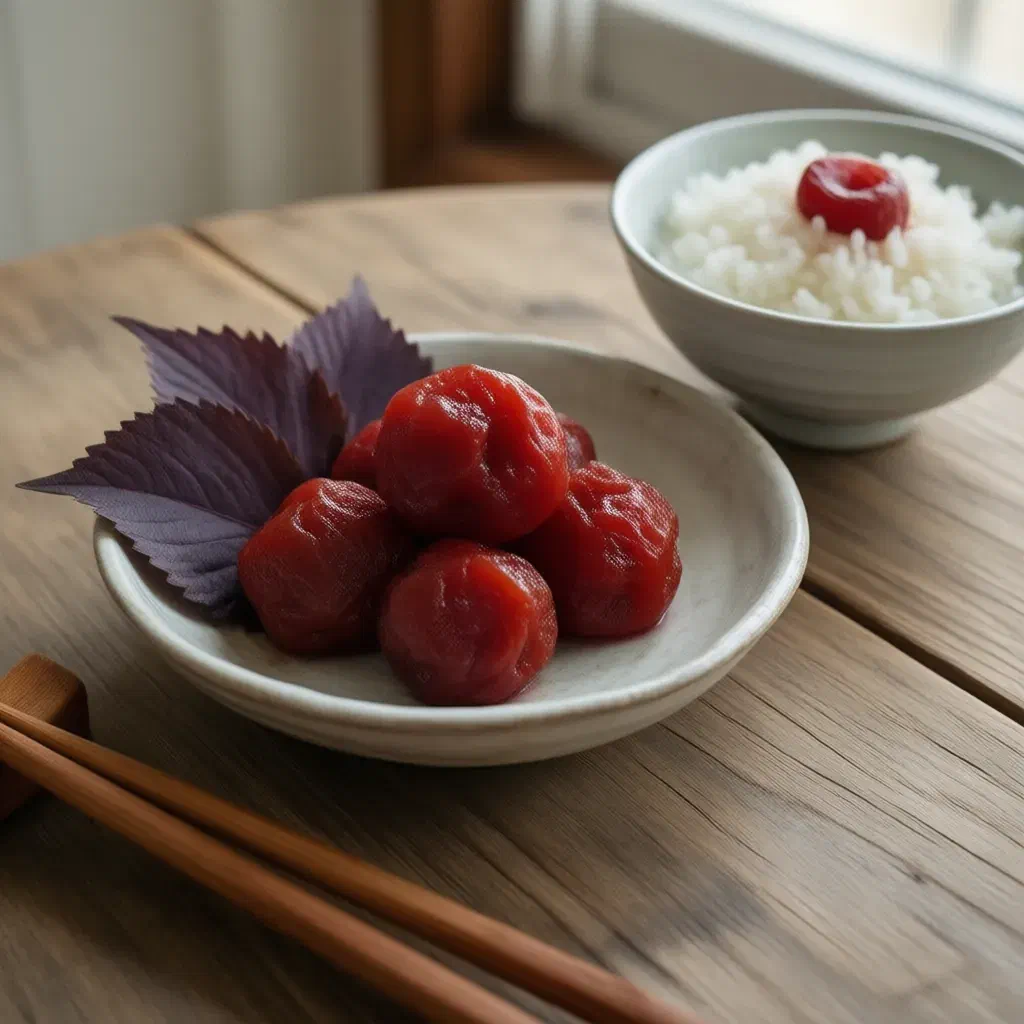
A traditional umeboshi is so sour it makes your mouth pucker, with plenty of salt and a light fruitiness. That is why it is usually eaten with lots of rice. For Onigiri, stone a fruit, mash the flesh and place it in the centre of the rice ball. In a hinomaru bento a single umeboshi sits on white rice, a picture that recalls the Japanese flag. With green tea poured over rice it becomes ochazuke, and mashed with a little oil it makes a dressing for cucumbers. Cherry blossoms pickled in umeboshi vinegar and salt become Sakurayu, a tea served at weddings. In Japan umeboshi are considered a home remedy for nausea, though this effect has not been proven.
Buying umeboshi: what to look for
You can buy umeboshi from Asian grocers, Japanese online shops and health-food shops, where they are often part of the macrobiotic range. Jars of 100 to 200 g are common, as is umeboshi paste in a tube. Check the salt content and the ingredients list. Traditional umeboshi contain only ume, salt and shiso. Mild varieties with 8 per cent salt or less are often pickled with honey, sugar or seasonings and taste softer.
Storage and shelf life
Traditional umeboshi with around 20 per cent salt keep for years, sealed, at room temperature, and some families deliberately store them for years. Mild, low-salt varieties belong in the fridge once opened and keep there for a few months. Always take the fruit out with a clean spoon.
What can you use instead of umeboshi?
For one umeboshi or 1 tsp paste, mix 1 tsp tamarind paste with a good pinch of salt and a few drops of lemon juice. This matches the sourness, though not the colour. Okaka, made from bonito flakes and soy sauce, or fried salmon also work as onigiri fillings. For dressings, 1 tbsp rice vinegar with a pinch of salt replaces 1 tbsp umeboshi vinegar. Thai pickled salted plums (buay) taste similar.