Yuzu: What It Is, How to Use It and Substitutes
What is yuzu?
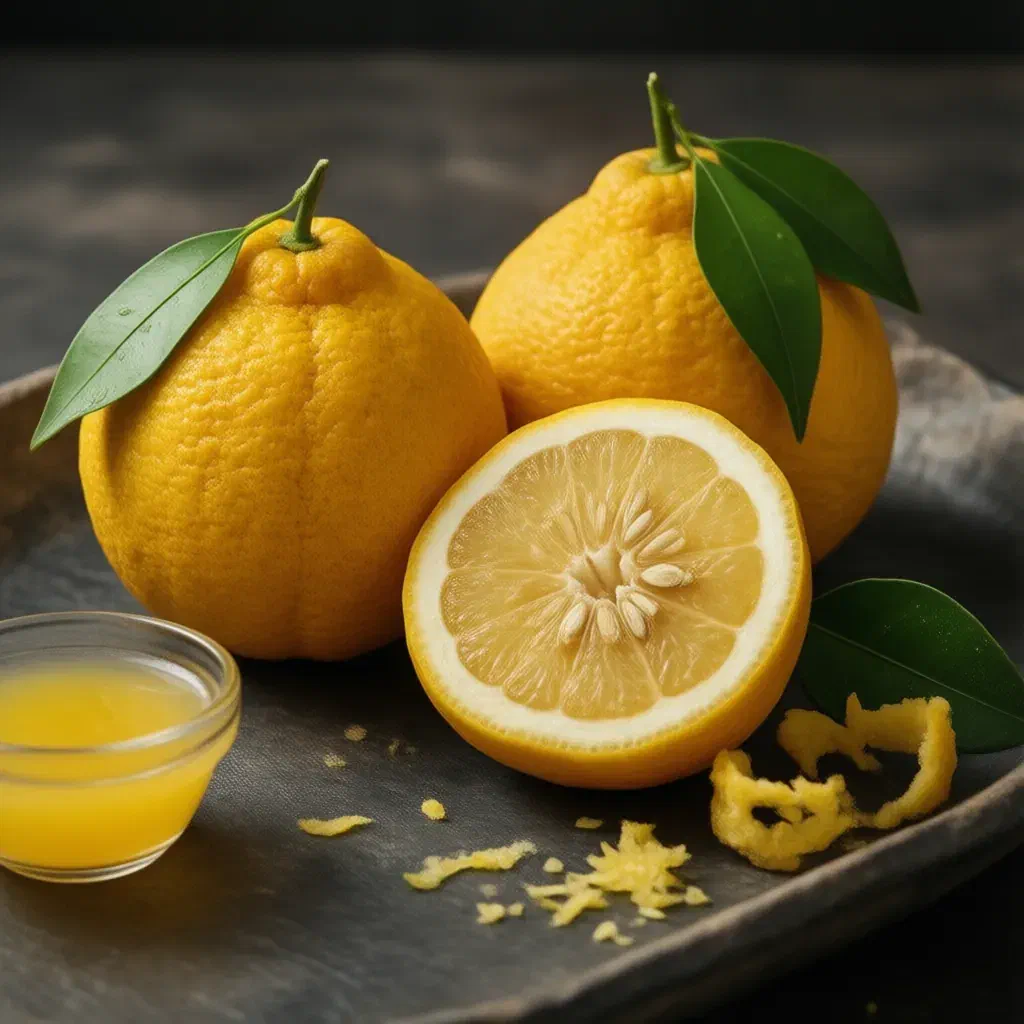
Yuzu (Citrus junos) originally comes from central China and reached Korea and Japan during the Tang dynasty. Today Japan is the main producer, and around half of the Japanese harvest comes from Kōchi Prefecture on the island of Shikoku. The tree tolerates frost better than lemons and bears fruit the size of a mandarin. The skin is thick and wrinkled, green at first and bright yellow by late autumn. One fruit gives only a little juice and has many large seeds. In Korea the fruit is called yuja, and there it is mostly preserved with sugar or honey into a kind of marmalade. In Japan whole fruits are added to the bath on the day of the winter solstice, a custom called yuzuyu that can be traced back to at least the early 18th century.
Flavour and uses
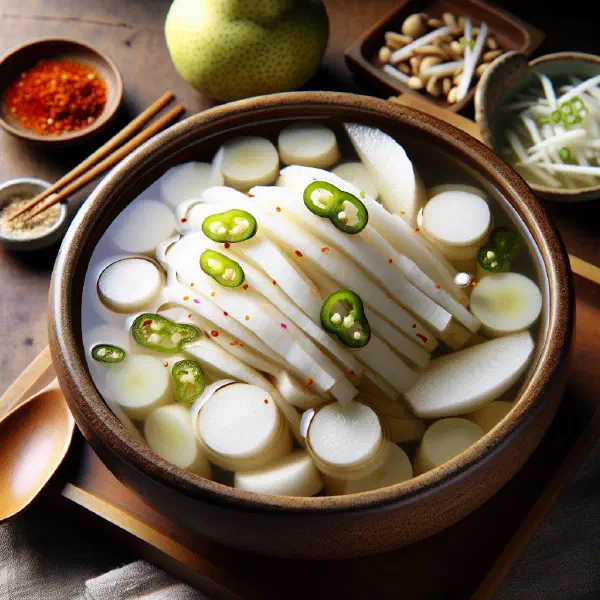
Yuzu is as sour as lemon but less sharp, with a floral scent reminiscent of mandarin peel. In Japan a few drops of juice or a strip of zest give a broth its finishing touch. The juice often goes into ponzu, a sauce of soy sauce and citrus juice used for dipping the chicken and vegetables in Mizutaki. Yuzu kosho is a salty paste of yuzu zest and green chillies that goes well with grilled meat and noodle soups such as Udon. In Korea preserved yuja is stirred into hot water to make yuja-cha, a tea that goes well with Dongchimi and spicy stews. Outside Asia, yuzu is best known from desserts, lemonades and dressings.
Buying yuzu: what to look for
Fresh yuzu are rare and expensive. Delicatessens and well-stocked Asian grocers occasionally have them between November and January, and some come from Spain or France. Yuzu juice in small bottles is easier to find. Read the ingredients list, as some juices contain salt or are stretched with lemon juice. You can also buy dried zest, yuzu kosho in jars and Korean yuja-cha as a syrup.
Storage and shelf life
Fresh fruit keeps well in the vegetable drawer of the fridge for two to three weeks. Grate off the zest before using the fruit and freeze it in small portions, so it lasts longer. Opened yuzu juice belongs in the fridge. Follow the manufacturer’s guidance, which is usually a few weeks. You can freeze the juice in portions in an ice cube tray.
What can you use instead of yuzu?
No single fruit matches the taste of yuzu, but a mixture comes close. For 4 tbsp yuzu juice, use 2 tbsp lemon juice, 1 tbsp lime juice and 1 tbsp freshly squeezed mandarin or grapefruit juice. Instead of yuzu zest, grate equal amounts of lemon and mandarin zest from unwaxed fruit. Meyer lemons are milder than ordinary lemons and work too.