
The 50 Most Famous National Dishes in the World
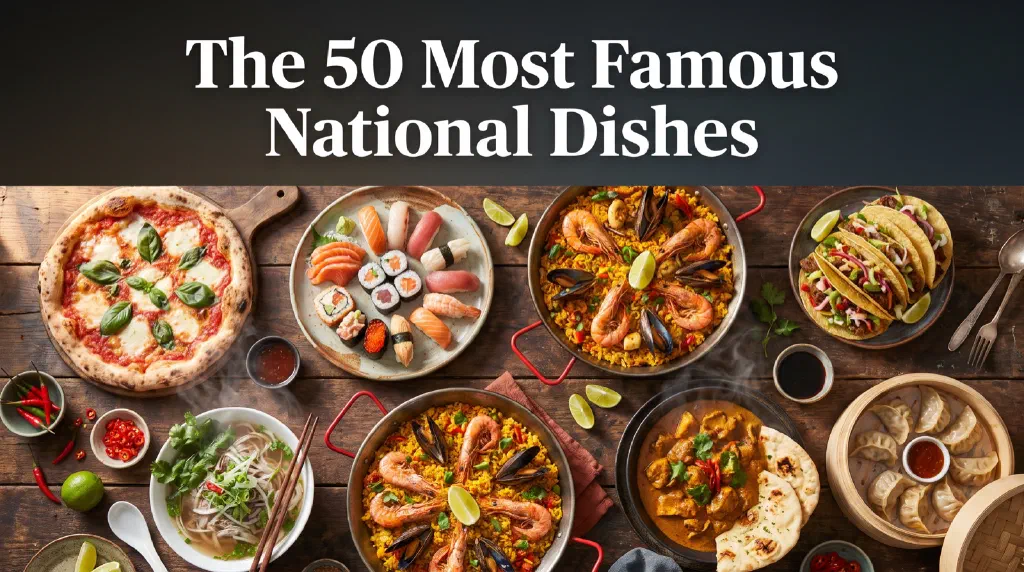
A national dish is a country’s autobiography on a plate. To pick 50, we went through a collection of more than 20,000 recipes from 194 countries and chose the dishes people argue about, travel for, and cook for every celebration. Each entry links the recipe and the country’s full collection.
-
Pizza Margherita
ItalyDough, tomato, mozzarella, basil. Named for a queen in 1889, or so the story goes.
Pizza Margherita has three toppings and each is specified: San Marzano tomatoes, mozzarella di bufala, fresh basil. The Neapolitan association that governs it also specifies the flour, the hydration, the proving time and the oven …
-
Sushi
JapanStarted as a way to preserve fish in fermented rice. The rice was thrown away.
Sushi is the rice. That is the part people outside Japan consistently miss. Su-meshi is short-grain rice seasoned with vinegar, sugar and salt, cooled to body temperature and fanned as it is mixed. The fish on top is important; …
-
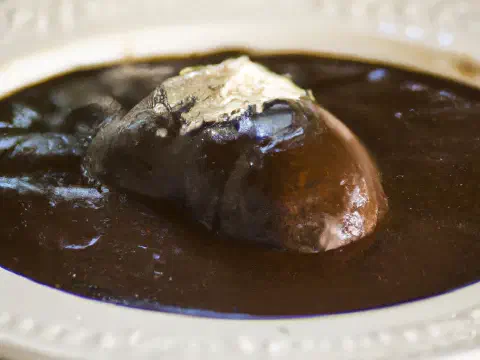
Mole poblano
MexicoChillies, chocolate, nuts and spices, sometimes thirty ingredients, ground and cooked for hours.
Mole Poblano contains somewhere between twenty and thirty ingredients and takes most of a day. Chocolate is in there, but it is not a chocolate sauce: the chocolate is one dark note among chillies, nuts, seeds, spices and fruit, …
-
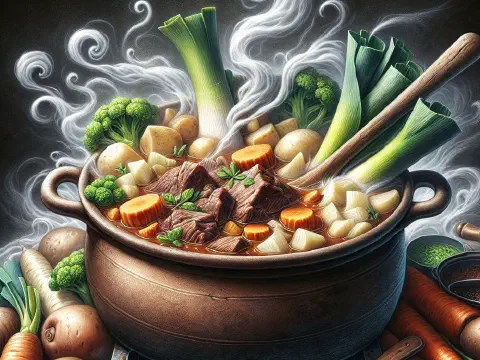
Pot-au-feu
FranceBeef and vegetables in one pot. Broth first, then the meat, then the mustard.
Pot-au-Feu is boiled beef, and calling it France's national dish annoys people who would prefer something more obviously refined. It is nonetheless what the country has eaten for centuries, and it produces two courses: the broth …
-
Paella
SpainRabbit, chicken and beans in Valencia. Seafood versions are eaten but not called Valenciana.
Paella is Valencian, and Valencians are firm about what belongs in it: rabbit, chicken, green beans, garrofó beans, tomato, saffron. Not chorizo. The mixed seafood-and-meat version most of the world eats is paella mixta, which …
-
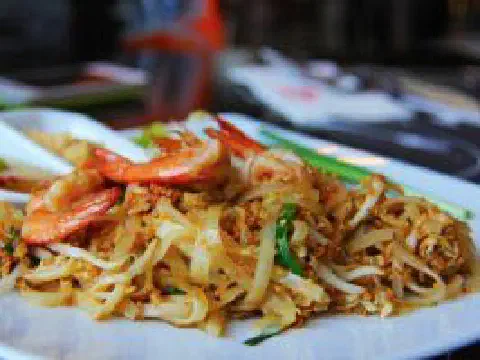
Pad thai
ThailandPromoted by the government in 1938 to build a national identity. It stuck.
Pad Thai is a government project. In the late 1930s Thailand's prime minister promoted it as part of a nationalist campaign to build a Thai identity and reduce rice consumption, and recipes were distributed by the state. It …
-
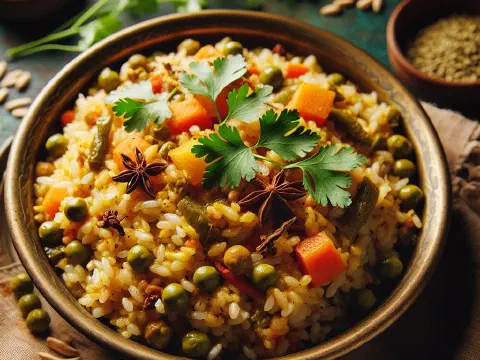
Khichdi
IndiaRice and lentils cooked soft. Indian households make it for the sick and the tired.
Khichdi is rice and lentils cooked together to a soft, seasoned porridge, and it is what Indians eat when they are ill, when they are fasting, and when they cannot face anything else. It is also, arguably, the oldest continuously …
-
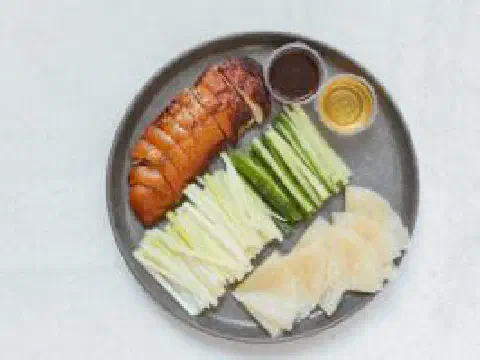
Peking duck
ChinaAir-dried, glazed with maltose, roasted until the skin shatters. Served in three courses.
Peking Duck is about skin, not meat. The bird is inflated to separate skin from flesh, scalded, coated in maltose and hung to dry for a day, then roasted until the skin shatters. Restaurants carve it at the table into 108 pieces, …
-
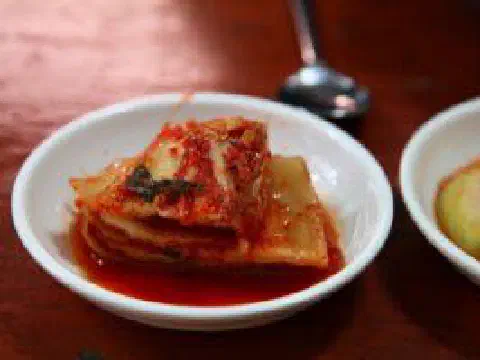
Kimchi
South KoreaCabbage salted and fermented with gochugaru. Made communally each autumn as kimjang.
Kimchi is fermented cabbage and it is not one thing: there are hundreds of regional and seasonal versions. The one people mean is baechu kimchi, napa cabbage salted, coated in a paste of gochugaru, garlic, ginger and fish sauce, …
-
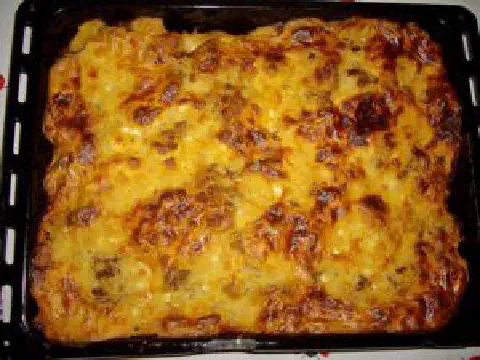
Moussaka
GreeceAubergine, spiced lamb and béchamel, baked until the top sets. The béchamel is Greek and modern.
Moussaka has three layers and a béchamel on top, and the béchamel is what makes it moussaka rather than a baked mince and aubergine. It should set firm enough to cut into squares that hold their shape.
-
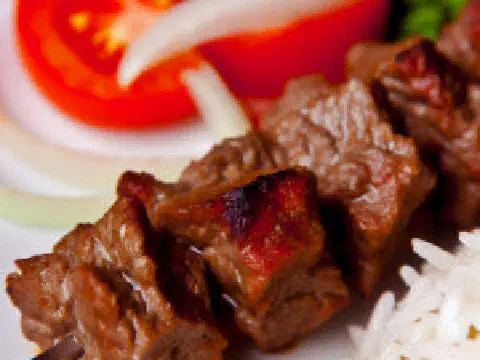
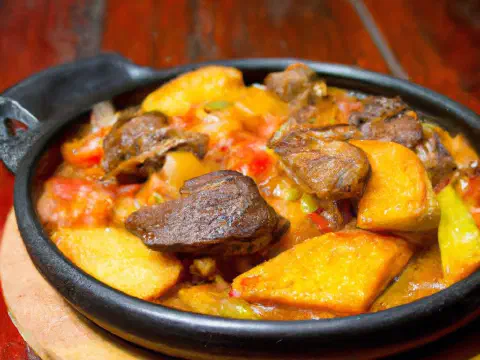
Kebap
TurkeyMarinated lamb grilled over charcoal. Every Turkish region has its own version and defends it.
Fire up the grill and discover Şiş Kebab, the smoky, succulent skewers that crown the Turkish table. Tender cubes of meat are bathed in a fragrant marinade of paprika, cumin and tangy yoghurt, then charred over high heat until …
-
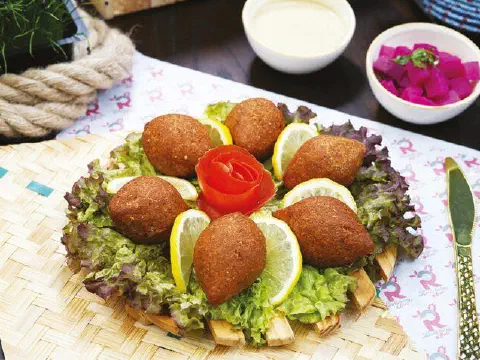
Kibbeh
LebanonBulgur and lamb pounded to a paste, stuffed and fried, or eaten raw as kibbeh nayeh.
Kibbeh at its most refined is raw: lamb pounded with bulgur to a paste and eaten with olive oil and mint, which is kibbeh nayyeh. The fried version below is the everyday one, and the baked tray version is what most households …
-
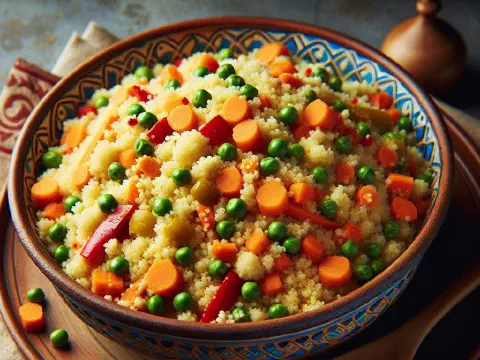
Couscous
MoroccoBerber, older than Arab North Africa, and UNESCO-listed in 2020 for four countries at once.
Couscous in Morocco is Friday food, served after prayers, in a wide shallow dish with the vegetables piled in a cone and the broth poured separately. The grain is steamed three times over the stew, which is the part shortcuts …
-
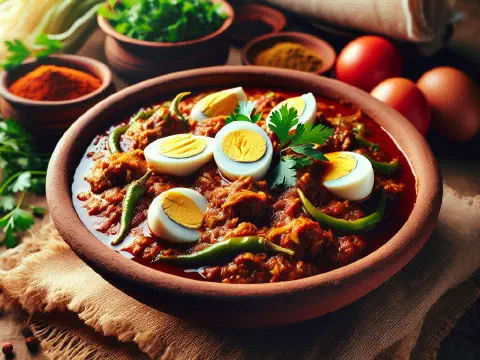
Doro wat
EthiopiaChicken and eggs in berbere sauce over onions cooked down for hours without fat.
Doro Wat is the dish Ethiopians cook when it matters, and the work is in the onions. Six or more, chopped fine, cooked dry and then in niter kibbeh for the better part of an hour before the chicken appears. Rushing that step …
-
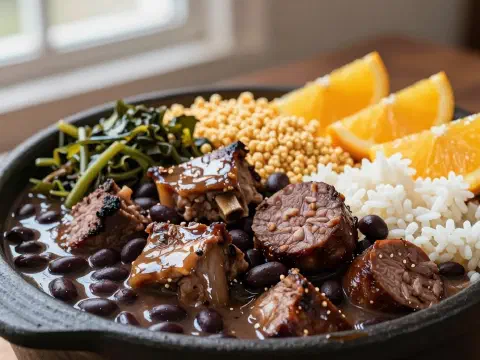
Feijoada
BrazilBlack beans with salted and smoked pork, eaten on Saturdays with orange and cassava flour.
Feijoada is black beans cooked with several kinds of pork, and the traditional cuts are the ones nobody else wanted: ear, tail, trotter, snout. It is served on Saturdays, it takes most of a day, and nobody makes it for two people.
-
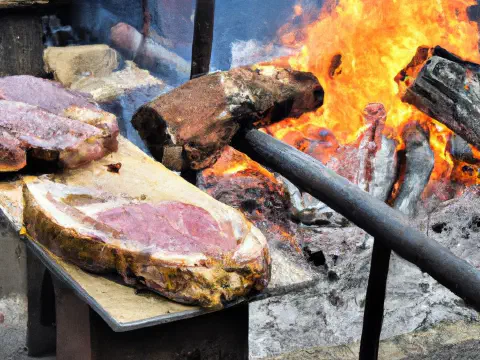
Asado
ArgentinaBeef cooked slowly over wood embers, never flame. The asador does not rush it.
Asado is not a recipe so much as an afternoon. Beef goes on a grill over wood coals, cooks slowly for well over an hour, and comes off in stages while everyone stands around the fire. The seasoning is coarse salt. That is the …
-
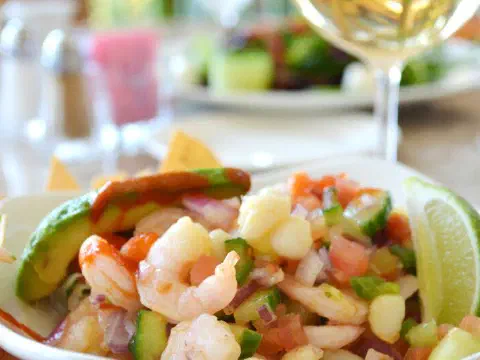
Ceviche
PeruFish cured in lime for minutes, not hours, with red onion, chilli and sweet potato.
Ceviche in Peru is served within minutes of being made. The fish is cut, tossed with lime, salt, chilli and onion, and eaten almost immediately, so the outside is opaque and the centre is still translucent. Thirty-minute marinades …
-
The hamburger
USAHamburg steak in American bread. Who first combined them is genuinely disputed.
Hamburger is the least American thing about American food, in origin. It comes from Hamburg, arrived with German migrants in the nineteenth century, and became the national dish anyway. Several US towns still claim to have …
-
Fish and chips
EnglandFried fish came with Sephardic Jews, chips from elsewhere. They met in the 1860s.
Fish and Chips is battered white fish deep-fried and served with thick-cut chips. The batter is flour and beer or sparkling water, never breadcrumbs, and the chips are fried twice. Salt and malt vinegar go on at the counter.
-
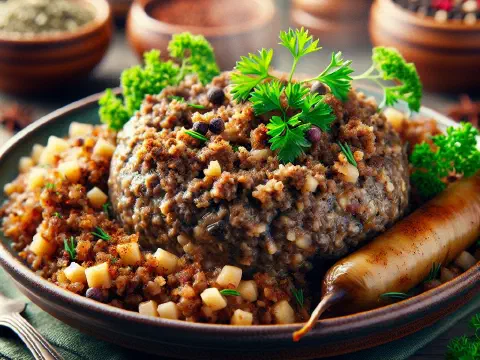
Haggis with neeps and tatties
ScotlandSheep offal with oats in a stomach, with mashed swede and potato. Peppery and good.
Haggis is sheep's offal minced with oatmeal, suet and spice, packed into a stomach and boiled. It sounds worse than it tastes. What it actually tastes of is peppery, nutty and rich, and the oatmeal gives it a crumbly texture …
-
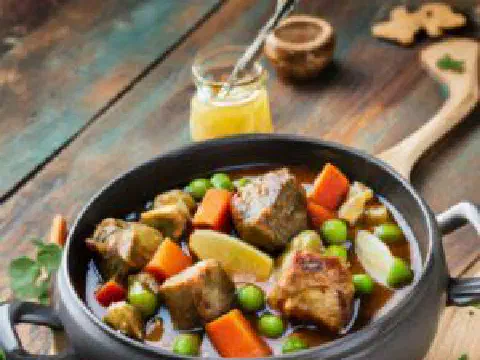
Irish stew
IrelandMutton, potato, onion. Whether carrots belong is the only remaining argument.
Irish Stew started as mutton, potato, onion and water. Carrots are a later addition and purists object to them. So is browning the meat, which the oldest versions skip entirely: everything goes in raw and cooks in layers until the …
-
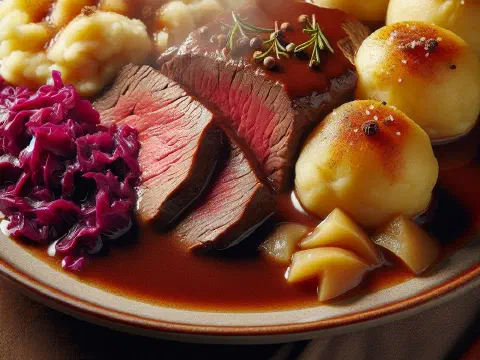
Sauerbraten
GermanyBeef marinated in vinegar for days, then braised with a gingerbread-thickened sauce.
Sauerbraten is beef marinated in vinegar for days before it ever sees heat. Three days is the minimum, five is better, and the Rhineland version thickens the gravy with crushed gingerbread, which sounds odd and is the best part.
-
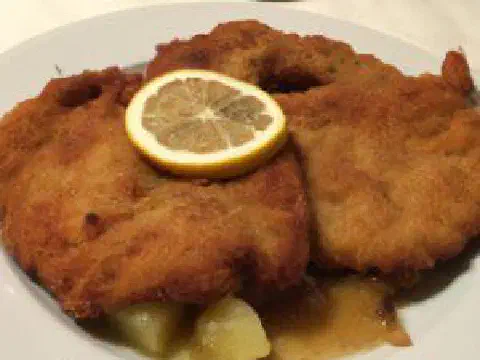
Wiener Schnitzel
AustriaVeal, beaten thin, breaded and fried in enough fat that the coating lifts off the meat.
Wiener Schnitzel is veal, beaten thin, breaded and fried in enough fat that the coating puffs away from the meat. That blistered, slightly loose crust is the mark of a good one. If the breadcrumbs are glued flat to the veal, …
-
Fondue
SwitzerlandMelted cheese with white wine and kirsch. Promoted in the 1930s by the Swiss cheese cartel.
Cheese Fondue is cheese melted in white wine with a little cornflour and kirsch, eaten by dipping bread. The pot is rubbed with a cut garlic clove first. There is no butter in it and there is no Worcestershire sauce, whatever some …
-
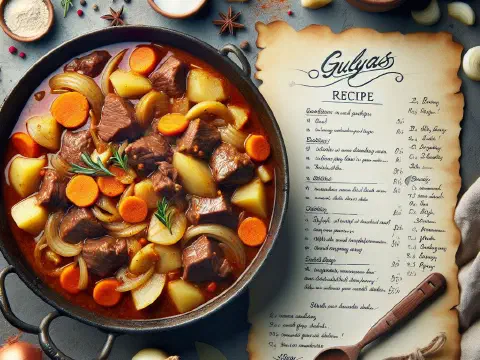
Gulyás
HungaryBeef and onion with sweet paprika. In Hungary it is a soup, not a thick stew.
Gulyás is a soup, and Hungarians are firm about this. The thick stew served abroad under the name is pörkölt. Gulyás has broth, potatoes and enough liquid to eat with a spoon, and it was cooked by cattle herders over open fires on …
-
Bigos
PolandSauerkraut and several meats, reheated over days. Poland's hunter's stew.
Bigos is sauerkraut, fresh cabbage and several kinds of meat cooked down over days. It is reheated repeatedly, and each reheating is held to improve it. Polish households make it in enormous pots at Christmas and eat it into …
-
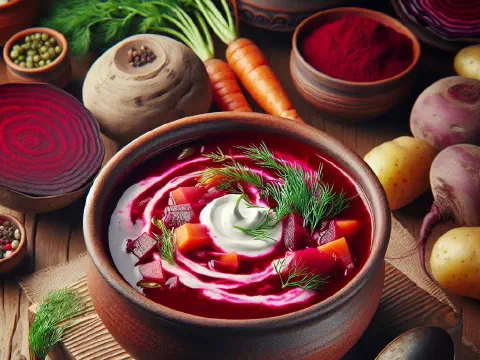
Borscht
UkraineBeetroot with cabbage and soured cream. UNESCO listed it as endangered in July 2022.
Borscht is beetroot soup, and in 2022 UNESCO added Ukrainian borscht to its list of intangible heritage in need of urgent safeguarding, citing the war. That is an unusual reason for a soup to be listed.
-
Pelmeni
RussiaSmall meat dumplings made in batches and frozen. Siberia had no need of a freezer.
Pelmeni are small meat dumplings, boiled and eaten with soured cream or vinegar. In Siberia they were made in enormous batches in autumn and frozen outdoors in sacks, then thrown into boiling water as needed through the winter.
-
Khachapuri
GeorgiaCheese-filled bread in a dozen regional shapes. The Adjarian one holds a raw egg.
Khachapuri is bread and cheese, and the Adjarian version is a boat with an egg yolk in the middle that you stir into the molten cheese at the table. It arrives too hot to eat and nobody waits.
-
Bacalhau
PortugalSalt cod, said to have 365 preparations. Portugal fishes it nowhere near Portugal.
Meet Bacalhau à Brás, one of Portugal's most beloved comfort dishes. This homely classic brings together salt cod, golden potatoes and softly scrambled eggs, all bound with sweet onions and good olive oil. It is the kind of …
-
Stamppot
NetherlandsPotato mashed with kale or sauerkraut, with a smoked sausage on top.
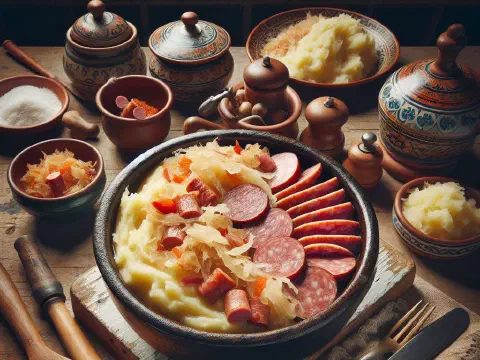
Meet Zuurkoolstamppot, the kind of warming, no-nonsense plate that the Dutch turn to when the days grow short and cold. This hearty classic mashes fluffy potatoes together with tangy sauerkraut and finishes it off with golden …
-
Moules-frites
BelgiumMussels steamed in white wine with chips. Belgium claims the chips and has the evidence.
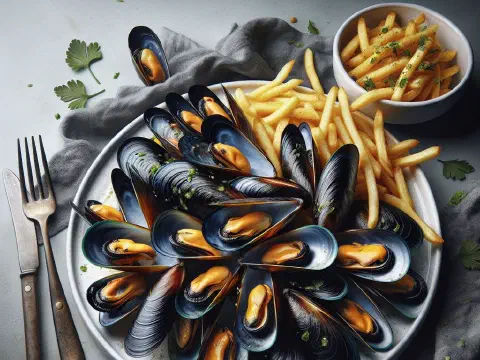
Moules-Frites is mussels steamed in a pot and chips fried alongside, and the Belgian position is that the chips are not a side dish. They are half the dish. Anyone who serves the mussels with bread instead has made something else.
-
Köttbullar
SwedenSmall meatballs with cream sauce and lingonberry. The recipe came from Turkey with Charles XII.
Köttbullar are small meatballs served with cream sauce, mashed potato, lingonberry jam and pickled cucumber. All four accompaniments are part of the dish. The meatballs alone, with ketchup, are a different and lesser thing.
-
Stegt flæsk
DenmarkFried pork belly with parsley sauce and potatoes, voted Denmark's national dish in 2014.
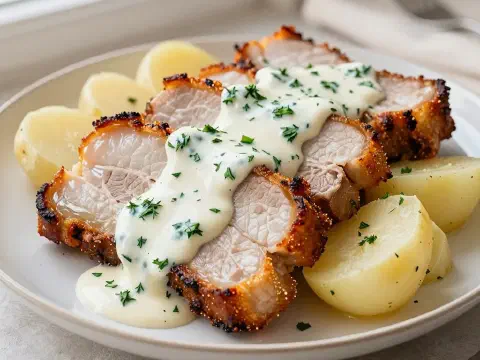
Stegt Flæsk med Persillesauce won a public vote in 2014 to become Denmark's official national dish, beating everything more fashionable. It is fried pork belly, boiled potatoes and a parsley cream sauce. The pork is fried dry, …
-
Fårikål
NorwayMutton and cabbage in layers with whole peppercorns. Norway gives it its own day in September.
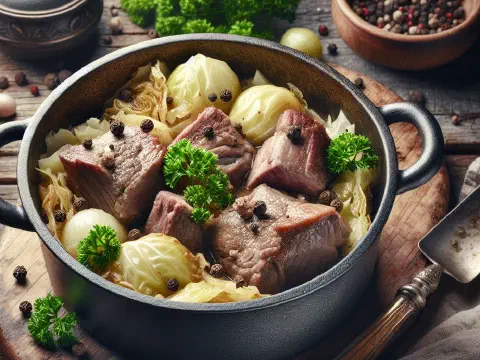
Fårikål is lamb and cabbage boiled with peppercorns and nothing else. It is Norway's national dish by public vote, and it has its own day: the last Thursday in September, when the lambs come down from the mountains and the …
-
Vepřo knedlo zelo
CzechiaRoast pork, bread dumplings and sauerkraut. The Czech Sunday plate.
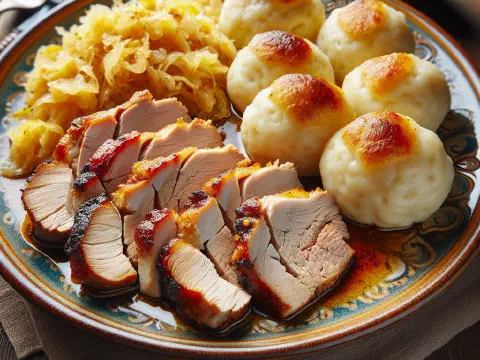
Vepřo Knedlo Zelo is roast pork, bread dumplings and sauerkraut, and Czechs will name it before anything else if asked what their country eats. Caraway goes on the pork. The dumplings are sliced with a thread rather than a knife.
-
Sarmale
RomaniaMinced pork rolled in soured cabbage leaves, cooked slowly, served with polenta.
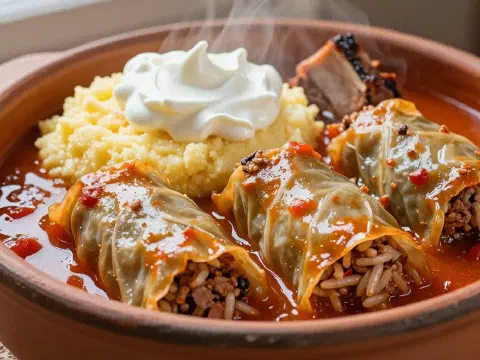
Sarmale are cabbage rolls, and Romania makes them with pickled cabbage rather than fresh, which is the important detail. The sourness of the varză murată against the fatty pork filling is the whole point, and fresh cabbage gives a …
-
Kushari
EgyptRice, lentils, pasta and chickpeas under tomato sauce and fried onions. Cairo's full meal for pennies.
Koshari is rice, lentils and pasta in one bowl, layered rather than mixed, under tomato sauce, crisp fried onions and a garlic-vinegar sauce that most recipes leave out and should not. It costs almost nothing and it is the best …
-
Jollof rice
NigeriaRice cooked in tomato and pepper until the base catches. The Ghana argument is ongoing.
Jollof Rice is the subject of an argument that has run for decades and shows no sign of ending. Ghana claims it, Nigeria claims it, Senegal invented the ancestor. The Nigerian version is redder, smokier and generally hotter, and …
-
Fufu with light soup
GhanaCassava and plantain pounded to an elastic dough, swallowed rather than chewed.
Discover Fufu, the beloved staple that sits at the very heart of Ghanaian cooking. This smooth, springy dough is made from cassava and plantain, pounded together until soft and pillowy. Traditionally torn by hand and dipped into a …
-
Thieboudienne
SenegalBroken rice cooked in fish stock with stuffed fish and vegetables. UNESCO-listed in 2021.
Thieboudienne is Senegal's national dish and the ancestor of every one-pot rice dish in West Africa. Fish stuffed with a herb paste, vegetables, tomato and broken rice cooked in the resulting broth. UNESCO listed it in 2021.
-
Bobotie
South AfricaSpiced mince under a baked egg custard, with dried fruit. Cape Malay in origin.
Bobotie is spiced mince under a baked egg custard, with dried fruit and almonds in it and bay leaves standing up out of the top. The sweet-savoury combination comes from Cape Malay cooking, brought by enslaved people from …
-
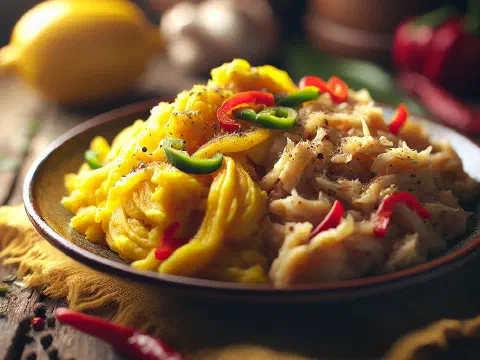
Ackee and saltfish
JamaicaAckee cooked with salt cod. Unripe ackee is poisonous, which is why it is picked open.
Ackee and Saltfish looks like scrambled egg and is not. Ackee is a fruit that, when ripe, has a soft yellow flesh with the texture of curd. Unripe, it contains hypoglycin and is genuinely poisonous, which is why tinned ackee is …
-
Ropa vieja
CubaShredded beef in tomato and pepper. The name means old clothes.
Ropa Vieja means old clothes, which is what shredded beef in tomato sauce is held to resemble. Brisket or flank is simmered until it falls into threads, then finished in a sofrito of onion, pepper and garlic. It is served with …
-
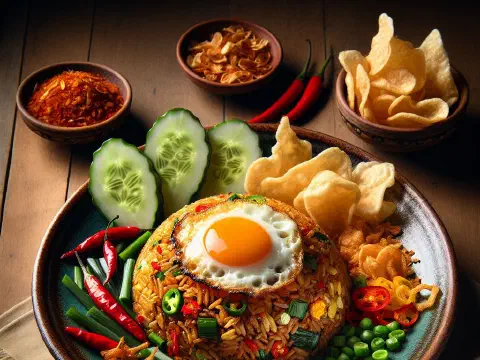
Nasi goreng
IndonesiaDay-old rice fried with sweet soy and shallots, topped with a fried egg.
Nasi Goreng needs day-old rice and a pan hotter than feels sensible. Fresh rice steams and clumps. The seasoning is kecap manis, the thick sweet soy sauce, plus sambal, and a fried egg goes on top with the yolk left runny.
-
Adobo
PhilippinesBraised in vinegar and soy. Filipinos were preserving meat this way before Spain named it.
Adobo is meat cooked in vinegar and soy sauce with garlic, bay and pepper, and it is less a recipe than a preservation method. Vinegar keeps meat in a tropical climate, and the Spanish name was applied to a technique that predated …
-
Nasi lemak
MalaysiaCoconut rice with sambal, anchovies, peanuts, cucumber and egg, wrapped in banana leaf.
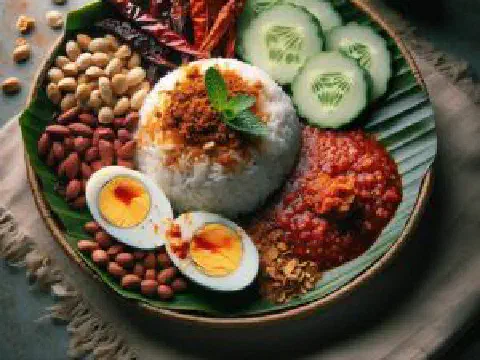
Nasi Lemak is rice steamed in coconut milk with a knotted pandan leaf, and everything else on the plate is an accompaniment: sambal, fried anchovies, peanuts, cucumber, boiled egg. Malaysians eat it for breakfast, wrapped in …
-
The meat pie
AustraliaMinced beef in pastry, eaten at the football with tomato sauce on top.
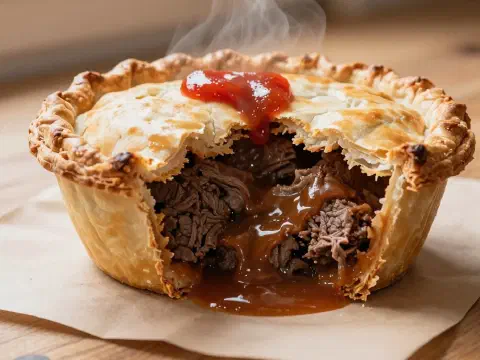
The meat pie is what Australians eat standing up at the football, and any account of it that leaves out the sauce is incomplete. Mince in gravy, pastry lid, tomato sauce squirted on top. Around 270 million of them are sold a year …








Disagree with our order? The only valid rebuttal is cooking — start with another ranking or browse all 194 countries.