National Dish Albania: Ashure (Recipe)
In this article
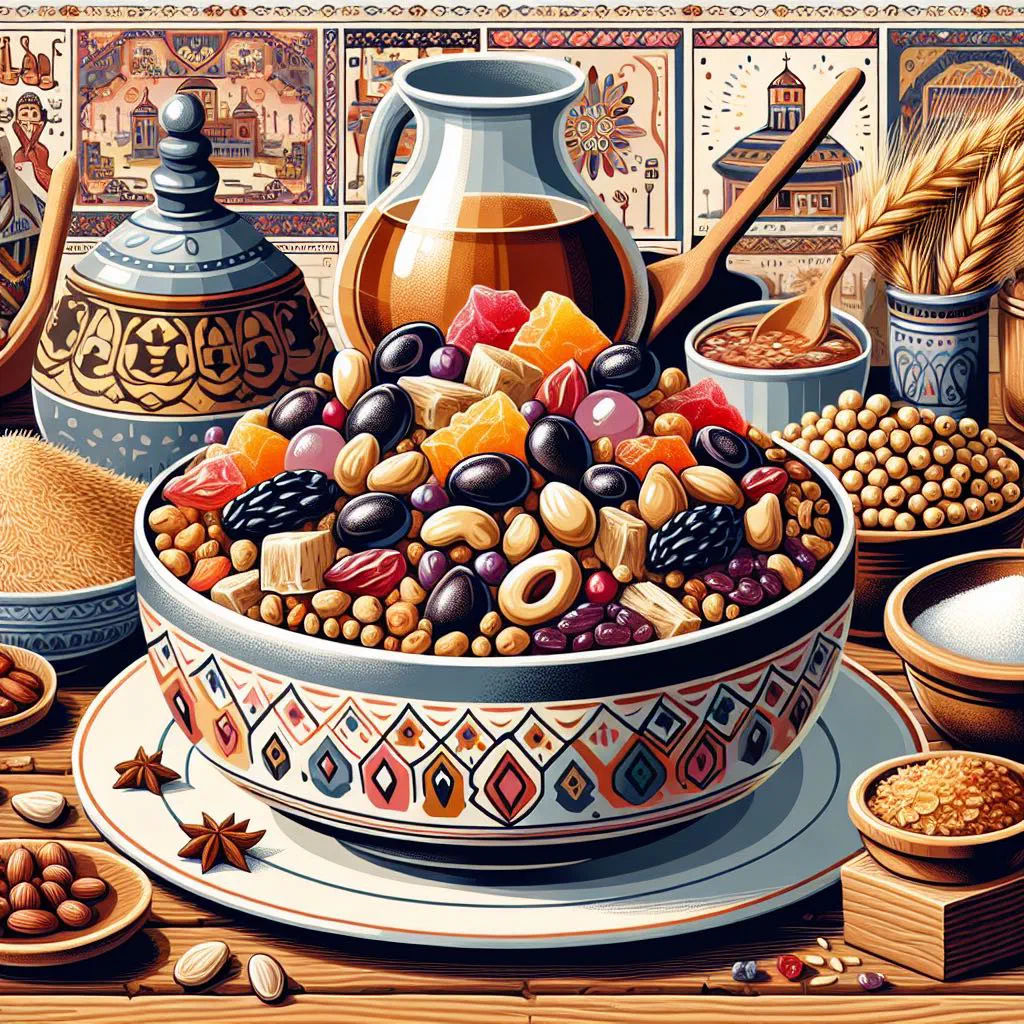
Discover Ashure, one of Albania’s most cherished sweets and a true symbol of community and sharing. Sometimes called “Hafel”, this humble pudding brings together wheat, beans, dried fruit and nuts in a bowl that is at once sweet, nutty and gently spiced. Rich, creamy and endlessly generous, it is the kind of dish that appears at festive gatherings, where it is scooped into bowls and passed around among friends and family. Bring a taste of the Albanian table into your own kitchen.
About Ashure
Ashure, also known as “Hafel”, is a traditional dish from Albania that holds a central place not only in the kitchen but in the wider culture of the country. This delicious dessert is usually made from a wide variety of ingredients, among them wheat, beans, dried fruit and nuts. The combination of these gives ashure its distinctive character. Both sweet and aromatic. Thanks to its creamy texture and rich flavour, it is often served at festive occasions and within the community, to be enjoyed and shared together.
Ingredients (serves 1–2)
- 100 g wheat
- 50 g beans (cooked)
- 50 g dried fruit (e.g. figs, dates)
- 30 g nuts (e.g. walnuts, almonds)
- 1 litre water
- 100 g sugar
- Cinnamon, to taste
- Fresh fruit, to garnish
Shopping for the ingredients
When shopping for the ingredients for ashure, it is worth paying attention to the quality of what you buy. Visit local markets where you can to find fresh, high-quality dried fruit and nuts. Many supermarkets also have a special Mediterranean or Middle Eastern section where you can source what you need. Look out for unsweetened dried fruit as well, to keep the authentic flavour of the dish intact.
Preparing the dish
Before you begin making ashure, it is best to prepare all the ingredients carefully. The wheat usually needs to be soaked overnight to shorten the cooking time. The beans should also be well cooked before they are added, to improve the consistency of the pudding. In addition, you can roughly chop the nuts and cut the dried fruit into small pieces so that they are evenly distributed throughout the dish.
Step-by-step instructions
- Put the soaked wheat into a large pan and bring to the boil with 1 litre of water.
- Reduce the heat and let the wheat simmer over medium heat for about 30 minutes, until soft.
- Add the cooked beans, dried fruit and sugar and mix everything together well.
- Bring the mixture back to a gentle boil over low heat, stirring regularly.
- Season with cinnamon to taste and serve in bowls.
- Before serving, garnish with chopped nuts and fresh fruit.
Gluten-free / lactose-free version
Ashure is naturally a gluten-free and lactose-free dish, as long as you take care to use gluten-free grains such as quinoa or buckwheat in place of the traditional wheat. Vegan versions are also easy to achieve, since the ingredients are overwhelmingly plant-based. For a lactose-free option, simply use plant-based milk alternatives during cooking. That way the lovely texture is preserved without compromising on tolerance.
Tips for vegans and vegetarians
For vegans and vegetarians, ashure is an excellent dessert that manages perfectly well without any animal products. You can replace the sugar with an alternative sweetener to make the recipe a little healthier. On top of that, various plant oils can be used instead of butter or cream to make the dish richer. These adjustments guarantee a full flavour without losing the character of the dish.
More tips and tricks
A few tips might help you create the perfect ashure. First, it is important to mix all the ingredients well to achieve an even aroma throughout. Experiment with different dried fruit such as raisins or dried apricots to give the dish a personal touch. You can also decorate the bowls you serve it in attractively, to make it stand out both visually and in taste.
Adapting the recipe to your taste
The beauty of ashure lies in the sheer variety of ingredients you can use. Feel free to experiment with different nuts such as pistachios or cashews to suit your own palate. If you prefer a sweeter version, you can add more sugar or honey to increase the sweetness. Adapting the recipe to your own preferences means that every portion becomes an individual taste experience.
Ingredient substitutions
For anyone who needs to leave out certain ingredients, there are plenty of alternatives for ashure. If you want to avoid sugar, you can use stevia or agave syrup to sweeten the dish. The beans can also be replaced with lentils to achieve a different texture, the same kind of hearty pulses that anchor a bowl of Fasule Plake. Bear in mind that the cooking time can vary depending on the ingredients used, so adjust the timings accordingly.
Drink pairing ideas
A variety of drinks pair wonderfully with ashure and round out the meal beautifully. A freshly brewed Turkish tea is a popular choice and harmonises with the sweetness of the dessert. A light white grape juice or a refreshing mint tea can also make delicious alternatives.
Serving and presentation ideas
The presentation of ashure can bring your guests joy from the very first glance. Serve the dessert in beautiful, transparent glasses to show off the different layers of ingredients. Garnish the top with fresh fruit, chopped nuts and a hint of mint. This small effort in presentation can greatly improve the overall impression of your dish and heighten your guests’ anticipation.
A bit of history
Ashure has a history that reaches back into ancient times. It is said that the dish arose from the remains of a great flood, when Noah and his family threw together a variety of ingredients to make a meal. This story symbolises community, sharing and gratitude, which is why ashure is often prepared for special occasions and festivals. This cultural heritage gives the dish a deeper meaning and contributes to its popularity in Albania and beyond, standing among the sweetest treasures of Albanian cuisine.
More recipe ideas
Summary: Ashure
All in all, ashure is a wonderful example of Albanian cuisine and its traditions. This delicious dessert combines a range of ingredients and flavours that please the senses and foster a feeling of community and sharing. Whether at festive occasions or simply at home, ashure is a dish that is guaranteed to inspire enthusiasm. Let it inspire you and give this unique recipe a try, to bring a touch of Albania into your own kitchen.