National Dish Albania: Fasule të Kuqe (Recipe)
In this article
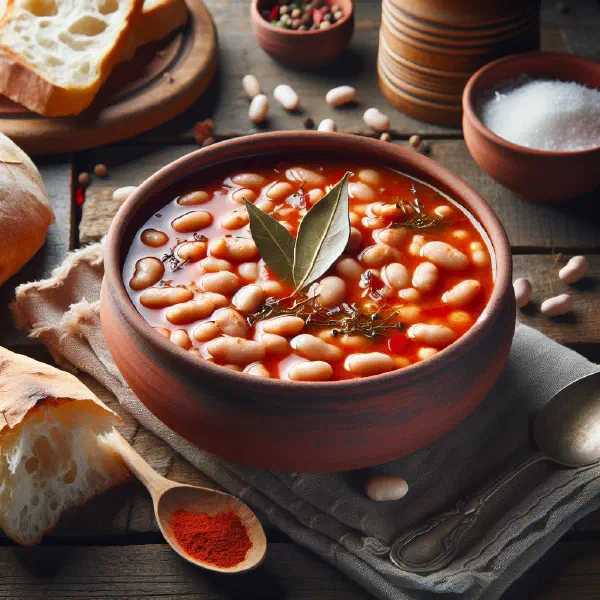
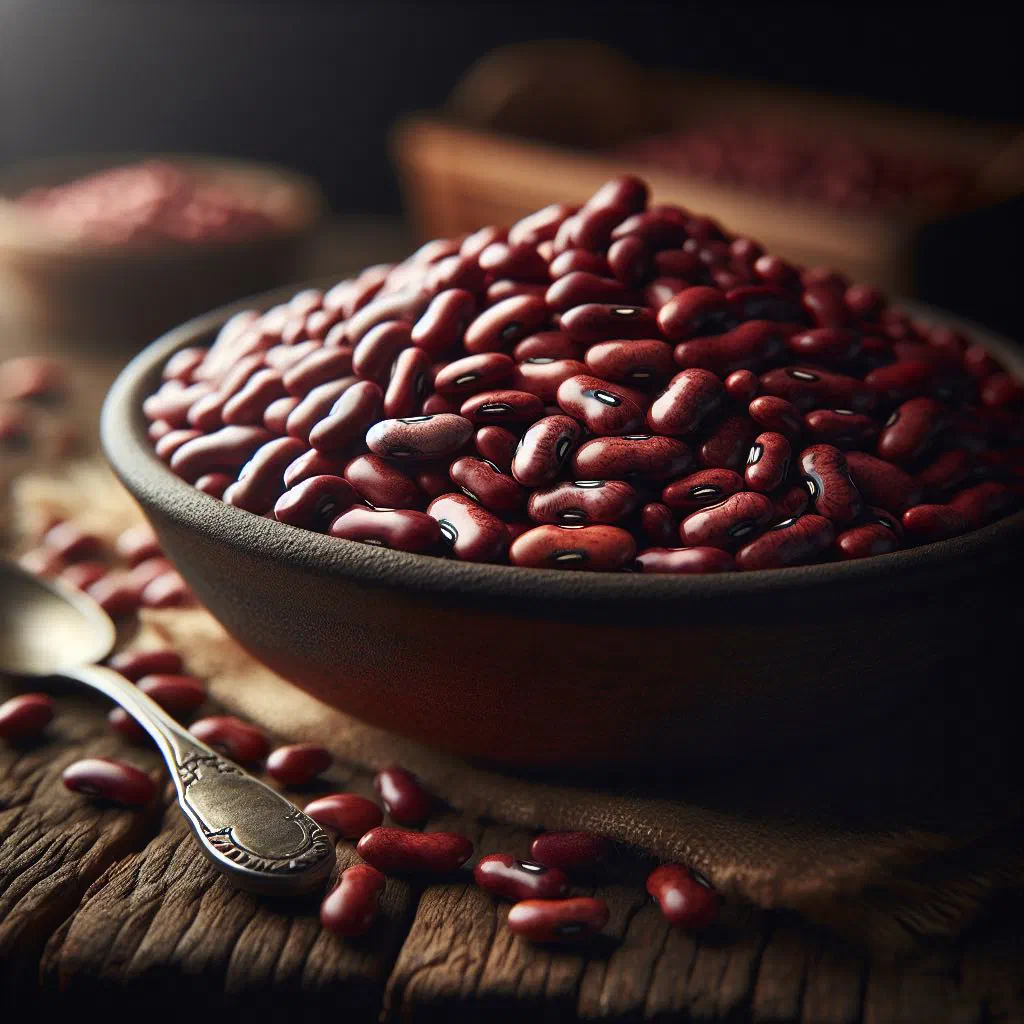
Meet Fasule të kuqe, a hearty Albanian red bean dish that turns humble store-cupboard staples into something deeply comforting. Simmered slowly with onions, carrots, peppers and a warming blend of paprika and cumin, it captures the rustic soul of Albanian home cooking. Nourishing, naturally plant-based and endlessly forgiving, it is the kind of dish that fills the kitchen with warmth and brings everyone to the table.
About Fasule të Kuqe
Albanian cooking is celebrated for its rich flavours and generous use of fresh, seasonal produce. One much-loved example is Fasule të kuqe, a wholesome speciality built around red beans. The dish brings together hearty vegetables, gentle spices and a slow, patient method that links tradition with everyday pleasure. It is nourishing and carries the warmth and conviviality of an Albanian family meal, making it a fine introduction to the country’s rustic culinary heart.
Ingredients (serves 1–2)
- 200 g red beans
- 1 onion
- 2 carrots
- 1 pepper (red or green)
- 2 cloves of garlic
- Olive oil
- 1 teaspoon paprika
- 1 teaspoon ground cumin
- Salt and pepper, to taste
- Fresh parsley, to garnish
Shopping for the ingredients
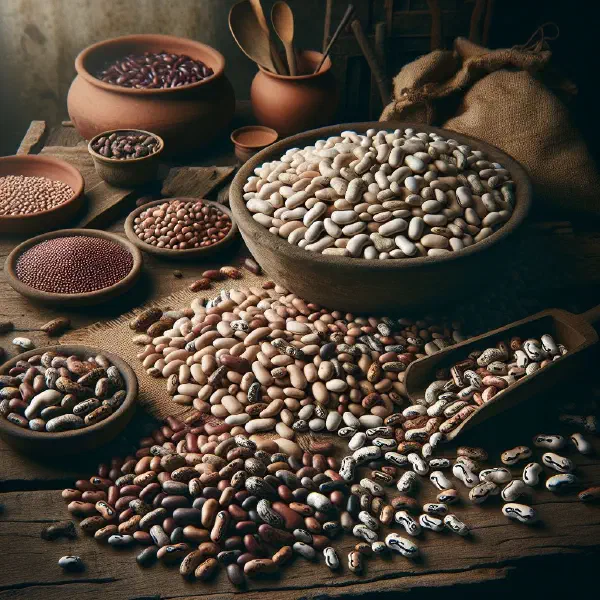
For the best Fasule të kuqe, choose ingredients that are fresh and of good quality. Visit your local market or a well-stocked supermarket with a good range of fresh vegetables and pulses. The red beans are available either dried or tinned, pick whichever suits the time you have, as dried beans need soaking while tinned ones are ready to go. Buying fresh, fragrant spices will noticeably lift the flavour of the finished dish.
Preparing the dish
Rinse and chop the vegetables into even-sized pieces so they cook uniformly. If you are working with dried beans, remember to soak them for several hours beforehand to shorten the cooking time. Using fresh herbs and freshly measured spices will make your Fasule të kuqe taste all the more intense and authentic.
Step-by-step instructions
- Bring the beans to the boil in a pan of water and cook for around 60–90 minutes, until tender.
- Meanwhile, sauté the onion, carrots, pepper and garlic in olive oil until soft and aromatic.
- Add the cooked beans to the vegetables, together with a little of their cooking water.
- Season with paprika, cumin, salt and pepper, and stir everything together well.
- Let the dish simmer for a further 15–20 minutes so the flavours can meld.
- Garnish with fresh parsley and serve.
Gluten-free / lactose-free version
Fasule të kuqe is naturally gluten-free and lactose-free, which makes it an excellent choice for anyone with food intolerances. Simply take care to use spices and ingredients that contain no hidden gluten, particularly in ready-made spice blends. With that small precaution, even those with special dietary needs can enjoy the dish without a second thought.
Tips for vegans and vegetarians
Fasule të kuqe is an ideal dish for vegans and vegetarians, as it is made entirely from plant-based ingredients. To deepen the flavour, reach for smoked paprika or a vegan stock for an extra layer of savouriness. Stirring in some leafy greens such as spinach or chard boosts the nutritional value and adds colour and texture to the pot.
More tips and tricks
A little creativity goes a long way with this dish. Experiment with different spices or throw in other vegetables as you please. Fasule të kuqe is also brilliant for meal prep and freezes well in individual portions, so you always have a nourishing, delicious meal to hand whenever you need one. Much like a comforting bowl of Jani Me Fasule, it only improves as the flavours settle overnight.
Adapting the recipe to your taste
Everyone has their own preferences, and Fasule të kuqe is no exception. Feel free to add more or fewer spices to suit your palate. The vegetables are just as flexible, courgette, celery or pumpkin all sit beautifully in this dish and bring extra nutrients along with them. Adjust the balance until it feels exactly right for you.
Ingredient substitutions
If you do not have every ingredient to hand, there are plenty of alternatives. In place of red beans you can use black beans or cannellini beans, the same hearty pulses that shine in Fasule Plake. For the seasoning, a fajita spice mix can add an interesting twist.
Drink pairing ideas
Fasule të kuqe pairs wonderfully with a fruity wine or a cool, refreshing glass of water with lemon. A herbal tea is another good option to underline the aromas of the dish. If you prefer something alcohol-free, try sparkling water with fresh herbs for a bright, refreshing accompaniment.
Serving and presentation ideas
A carefully plated dish only heightens the anticipation. Serve Fasule të kuqe in a large, colourful bowl and garnish generously with fresh parsley. A few lemon wedges on the side let everyone add a squeeze to taste, while some fresh, crusty bread rounds off the whole spread. A cooling Tarator alongside makes for a lovely light contrast.
A bit of history
Fasule të kuqe has its roots in Albanian country cooking, where bean-based dishes play a central role in the everyday diet. Beans are nourishing and readily available throughout the year. The dish reflects the historical and cultural influences of Albania, and it is often served at feasts and celebratory gatherings, a true cornerstone of Albanian cuisine.
More recipe ideas
Summary: Fasule të Kuqe
Fasule të kuqe is a versatile, aromatic dish that captures the very essence of Albanian cuisine. With its combination of hearty beans, fresh vegetables and warming spices, it is a satisfying main course and a healthy, nourishing choice for any meal.