National Dish Albania: Flija (Recipe)
In this article
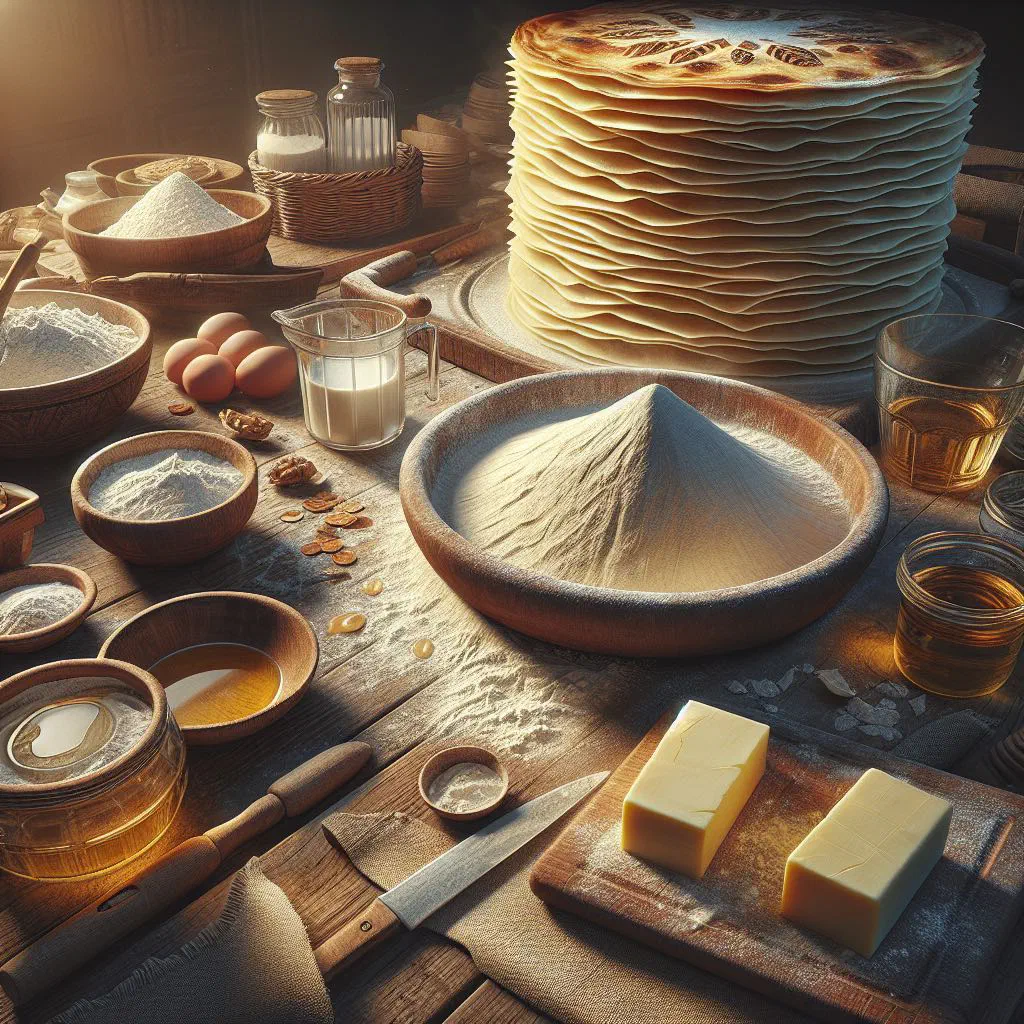
Meet Flija, one of Albania’s most cherished culinary treasures, a patient labour of love built from wafer-thin layers of batter brushed with a creamy blend of yogurt and cream and baked until golden. More than just a dish, it is a symbol of friendship and hospitality, traditionally shared at celebrations and special gatherings that bring family and friends together around one table. Recreate this warm, comforting classic in your own kitchen and taste a genuine slice of Albanian tradition.
About Flija
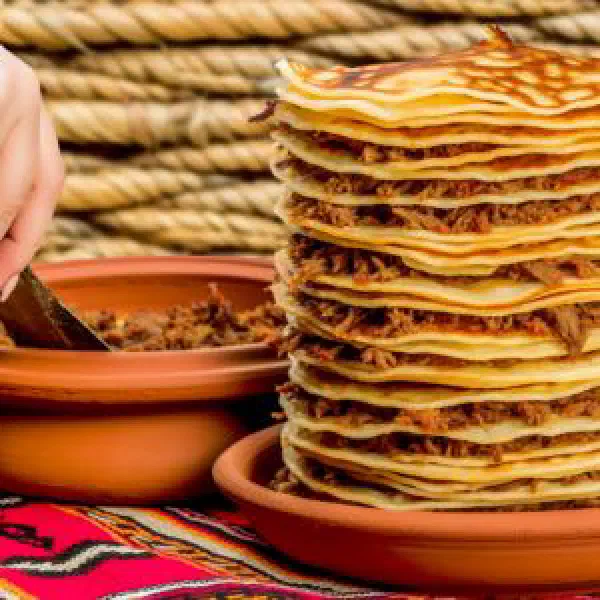
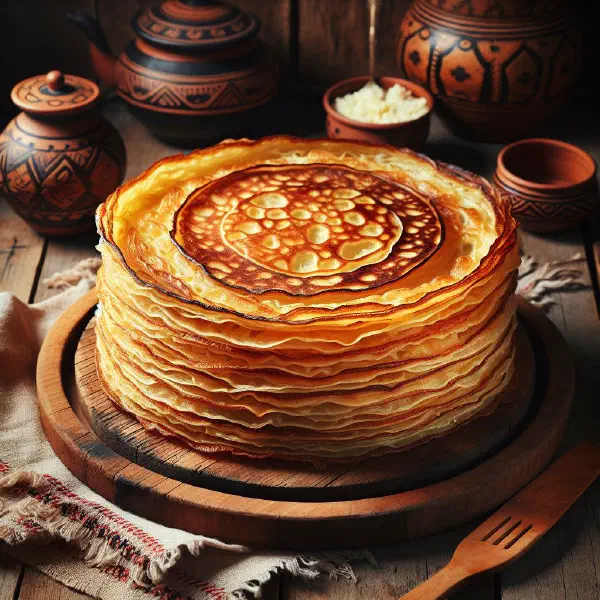
Flija is a traditional Albanian dish that has won over the hearts of food lovers far beyond its homeland. It is made from thin layers of batter baked with a creamy yogurt and cream filling between them, building up into a tender, richly layered whole. This dish is delicious and a symbol of friendship and hospitality in Albanian culture. Flija is often served at celebrations and special occasions, bringing family and friends together in the spirit of sharing.
Ingredients (serves 1–2)
- 2 cups flour
- 1 cup water
- 1 cup yogurt
- 1 cup cream
- 1 pinch of salt
- Butter, for the tin
Shopping for the ingredients
To prepare flija, you will want fresh, good-quality ingredients. Flour, yogurt and cream are the main components of the dish, so choosing high-quality yogurt and fresh cream has a decisive effect on the flavour. Many supermarkets also stock regional products that help guarantee an authentic taste. Make sure the flour for the batter layers is fine and free from additives.
Preparing the dish
Before you begin, gather all of your ingredients so everything is within reach. Mix the flour with a pinch of salt and water to form a smooth batter. Let it rest for around 30 minutes to improve the texture. While it rests, prepare the yogurt and cream mixture and combine it thoroughly until silky and even.
Step-by-step instructions
- Make the batter from flour, water and salt, then leave it to rest.
- Combine the yogurt and cream in a bowl and mix well.
- Prepare a greased baking tin and spread a thin layer of the batter across the base.
- Pour the yogurt and cream mixture evenly over the batter.
- Repeat the layers of batter and filling until all the ingredients are used up.
- Bake in a preheated oven at 180°C for about 40–45 minutes.
- Once baked, let the flija cool slightly before slicing and serving.
Gluten-free / lactose-free version
For a gluten-free version of flija you can use gluten-free flour, which is widely available. Make sure all the other ingredients are lactose-free too if you are replacing the cream and yogurt. Coconut yogurt or plant-based cream also work well to achieve a similar result. These adjustments let people with food intolerances enjoy this traditional dish just as much as everyone else.
Tips for vegans and vegetarians
Vegans can make flija by swapping the animal products for plant-based alternatives. Here you can use vegan cream and plant-based yogurt in place of the dairy. Just check that the flour is vegan and contains no animal-derived ingredients. With these adjustments, flija becomes a delicious and nourishing dish for vegans and vegetarians alike.
More tips and tricks
To deepen the flavour of flija even further, you can add various spices or herbs that pair well with yogurt and cream. Some cooks like to add garlic or herbes de Provence for a distinctive note. Bear in mind, too, that flija is best prepared in a suitable dish so the layers cook evenly. A cast-iron pot or an ovenproof dish is ideal for the job.
Adapting the recipe to your taste
Every recipe can be adjusted to personal preference. If you enjoy the texture of the batter, for example, you can increase or reduce the amount of water slightly. The filling can vary too: try different yogurt varieties or fold in some cream cheese for a change of flavour. With these tweaks you can make flija your own and give your guests a memorable taste experience.
Ingredient substitutions
If you do not have certain ingredients to hand, there are plenty of alternatives. Wheat flour, for instance, can be replaced with rice flour or almond flour for a gluten-free option. Choosing plant-based products for the yogurt and cream makes flija accessible to those with allergies and to vegans. Experiment with different ingredients to find your favourite combinations, much as you might when making a batch of Petulla.
Drink pairing ideas
A range of drinks pairs beautifully with flija. A refreshing Albanian beer is a popular choice, as is homemade lemonade or a mild white wine. If you prefer something alcohol-free, fruity teas or sparkling water make a refreshing option. The right drink can enrich the whole tasting experience and underline the sense of hospitality.
Serving and presentation ideas
Presentation plays an important part in serving flija. Bring the dish to the table on a large platter and garnish it with fresh herbs or spring onions. A bowl of yogurt or cream served as a dip can further enhance the experience. A few simple sides such as a fresh salad or a piece of good bread, perhaps a slice of Byrek, make your spread even more inviting.
A bit of history
Flija has a fascinating history that reaches back into ancient Albanian culture. This dish is traditionally prepared in the rural regions of Albania and reflects both the simplicity of its ingredients and a cuisine spanning centuries. It is a fine example of the importance of community in cooking and eating together. Flija is often passed down from generation to generation and remains a firm fixture of Albanian cuisine.
More recipe ideas
Summary: Flija
In summary, flija is a culinary experience and an expression of Albanian culture and hospitality. With its unique combination of tender batter and creamy filling, it is a dish that is both satisfying and full of flavour. Flija brings joy and connects people. Give this delicious dish a try in your own kitchen and let the Albanian way of life inspire you.