National Dish Albania: Halva (Recipe)
In this article
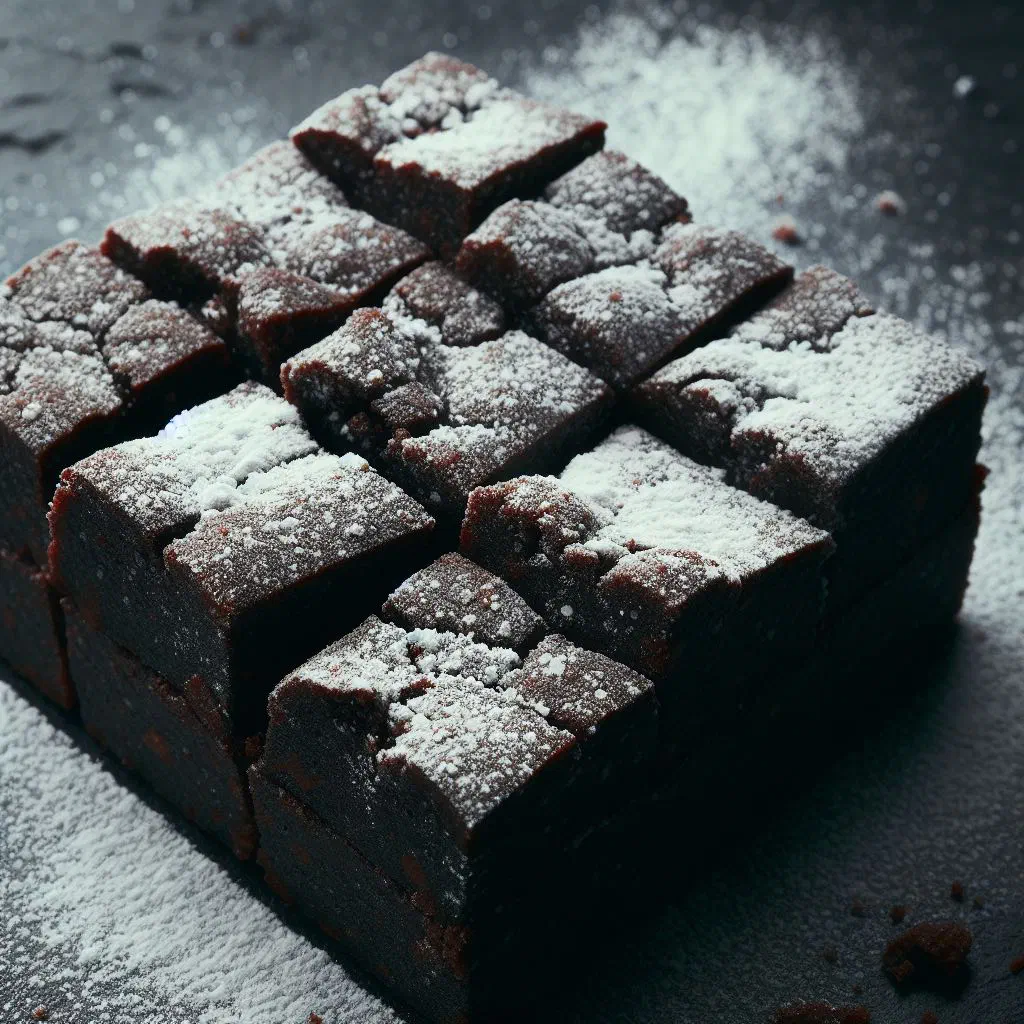
Meet Halva, a treasured Albanian sweet that captures the warmth and generosity of Balkan hospitality. Made from little more than semolina, sugar and a handful of nuts, this tender dessert turns up at festive gatherings and quiet family afternoons alike. Its gentle sweetness and melt-in-the-mouth texture have won over locals and visitors for generations. Bring a taste of Albanian tradition to your own kitchen with this simple, comforting recipe.
About Halva
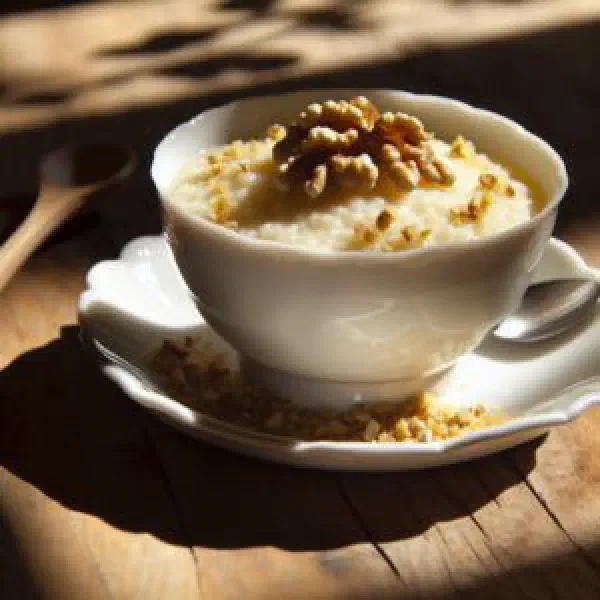
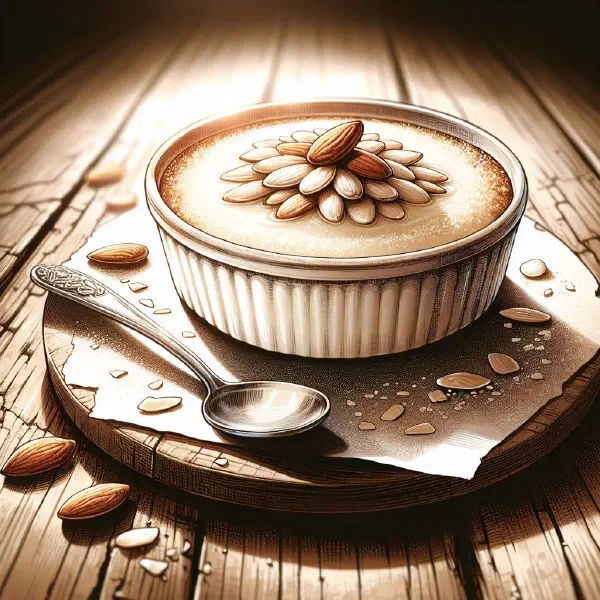
Halva is a traditional Albanian dish that reflects the richness of the country’s culinary heritage. This delicious sweet is made from semolina, sugar and nuts, and is hugely popular both on festive occasions and as an everyday treat. Its unmistakable flavour and delicate consistency make Halva a memorable dessert that appeals to locals and visitors alike. In Albania, Halva is a pleasure to eat and a symbol of hospitality and tradition, much like the celebrated Baklava enjoyed across the region.
Ingredients (serves 1–2)
- 100 g semolina
- 200 ml water
- 100 g sugar
- 50 g chopped nuts (e.g. walnuts or almonds)
- 1 tablespoon butter
- 1 teaspoon vanilla extract (optional)
Shopping for the ingredients
Most of the ingredients for Halva are easy to find in any supermarket. When buying the semolina, choose a good-quality product, as this has a real influence on the final flavour of the dish. Sugar can be bought in different forms depending on your preference, raw sugar, for example, lends a darker, more caramel-like note. The nuts can vary to taste, with walnuts and almonds being the most common choices.
Preparing the dish
Preparing Halva is simple and straightforward. Start by roughly chopping the nuts so their aromas are released during cooking. The semolina can be lightly toasted in a dry pan to give it extra flavour. Be sure to stir the semolina regularly so it does not catch and burn, and keep everything to hand for a relaxed, steady pace at the stove.
Step-by-step instructions
- Fill a pan with water and bring it to the boil.
- Add the sugar and stir carefully until it has fully dissolved.
- Add the semolina slowly, stirring constantly, to avoid any lumps forming.
- Reduce the heat and let the mixture simmer for a few minutes until it thickens.
- Stir in the butter, the chopped nuts and the vanilla extract until well combined.
- Pour the Halva into a greased mould and leave it to cool.
- Serve the Halva in pieces, garnished to taste.
Gluten-free / lactose-free version
For a gluten-free version of Halva, you can use gluten-free semolina. Many supermarkets now stock special gluten-free products that work beautifully in this sweet. If you would like a lactose-free version, simply replace the butter with a plant-based fat or oil. These small adjustments make sure that dietary restrictions need never stand in the way of enjoying Halva.
Tips for vegans and vegetarians
Halva is easy to adapt for vegans. Instead of butter, use a plant-based margarine or coconut oil. The remaining ingredients are already vegan-friendly, so there is nothing else you need to change. When choosing your nuts, try different varieties to discover new flavour combinations. For an extra touch of sweetness, agave syrup or coconut sugar make excellent alternative sweeteners.
More tips and tricks
A useful tip for making Halva is to stir the mixture over steady heat so you reach exactly the consistency you want. It also helps to cut the Halva into small portions before it has fully cooled, so the pieces come out neater and more even when served. Experiment with different spices, such as cinnamon or cardamom, to give your Halva a distinctive character.
Adapting the recipe to your taste
Halva is a wonderfully adaptable recipe. You can reduce the amount of sugar for a less sweet result, or try different nuts to suit your own taste. Some people prefer to add dried fruit, which brings new layers of flavour. By experimenting with the ingredients, you can create your very own version of Halva that fits your preferences perfectly, a spirit of playfulness shared right across Albanian cuisine.
Ingredient substitutions
If you do not have certain ingredients to hand, or wish to avoid them for health reasons, there are plenty of alternatives. Instead of sugar you can use honey or a natural sweetener to refine the flavour. In place of nuts, sunflower seeds or pumpkin seeds make a cost-effective option. The liquid can be varied too, using milk or a plant-based alternative instead of water gives the Halva a creamier taste.
Drink pairing ideas
Halva pairs beautifully with a range of drinks that complement its sweetness. A black Turkish coffee harmonises perfectly with the dessert and offers a pleasant contrast. For a lighter choice, a fragrant tea such as peppermint or a herbal blend works well. And if you fancy something fruity, a glass of pomegranate juice brings a welcome acidity that balances the sweetness of the Halva.
Serving and presentation ideas
Presentation can make all the difference to the Halva experience. Serve it on an attractive dessert plate and garnish with fresh nuts or a little grated coconut. Offer the Halva in small portions in pretty glasses or on decorative dishes. Adding a drizzle of sauce, such as a fruit coulis, gives the presentation an extra visual flourish.
A bit of history
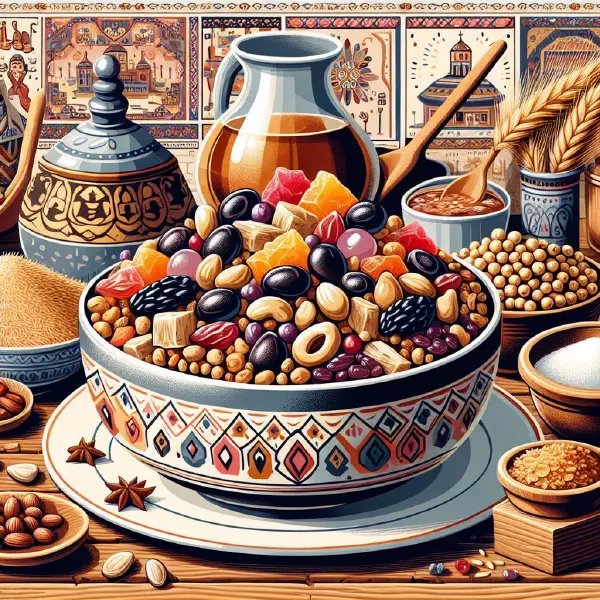
Halva has a long history in Albanian cooking and is closely bound up with the culture and traditions of the country. It was originally prepared for special occasions such as weddings and religious holidays. Halva is often served as a gesture of hospitality and is said to symbolise prosperity and contentment. Despite regional differences in the recipes, the Balkan countries share many similarities in how they prepare Halva, a reflection of the region’s deep cultural ties, the same connection you taste in a warming bowl of Ashure.
More recipe ideas
Summary: Halva
Halva is a delicious, traditional Albanian dessert that captures the essence of Balkan cooking in one harmonious flavour. With easily sourced ingredients and a fuss-free method, it takes pride of place in many households across the region. Whether for special occasions or as a sweet everyday treat, Halva is cherished and loved. Give this dessert a try and let it carry you into the captivating world of Albanian cooking.