National Dish Albania: Qofte Korçe (Recipe)
In this article
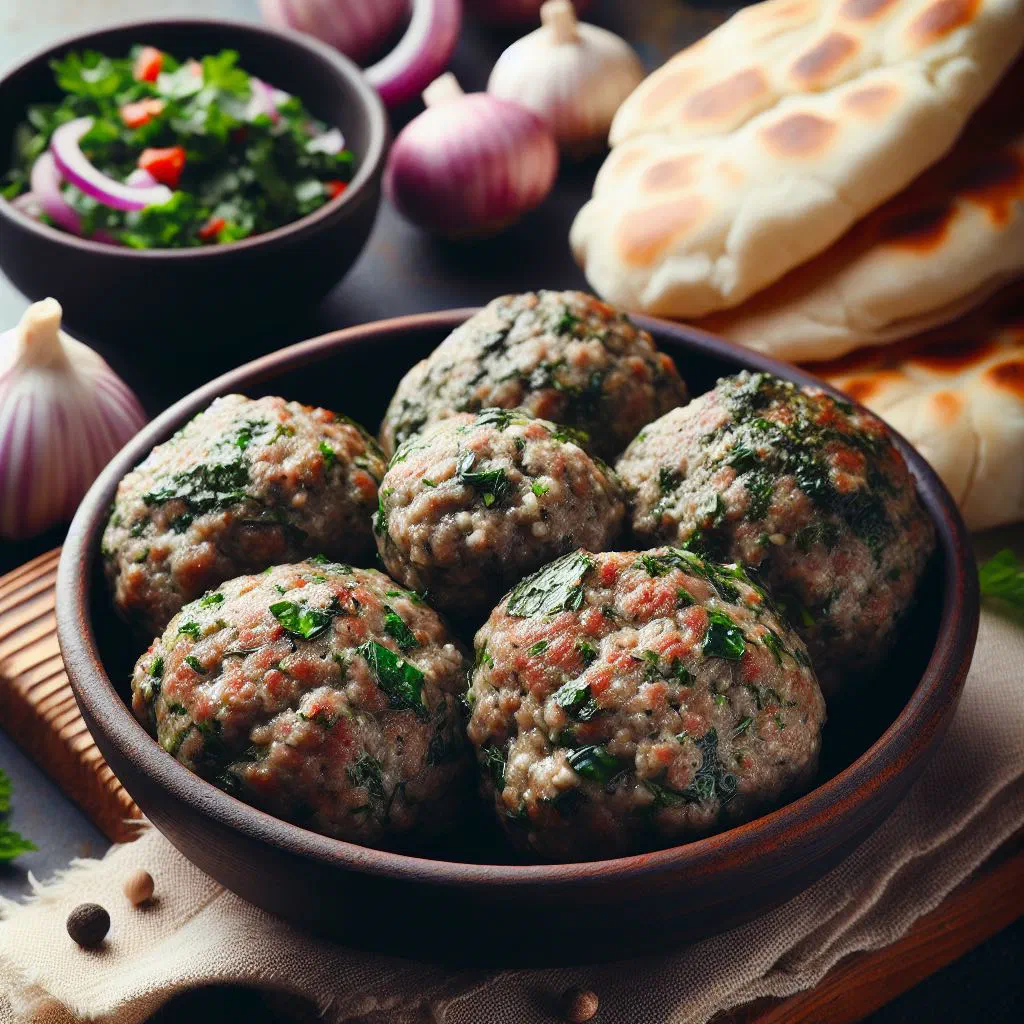
Say hello to Qofte Korçe, the fragrant little meatballs that hail from the Albanian town of Korça. Made with well-seasoned minced meat, fresh herbs and a warming hit of paprika, they are pan-fried until deeply golden and very juicy. In Albania they turn up everywhere, as a hearty main, a moreish snack, and a firm favourite at celebrations and family feasts. Bring a taste of the Balkans to your own kitchen with this authentic classic.
About Qofte Korçe
Qofte Korçe are traditional Albanian meatballs, celebrated for their distinctive flavour and their aromatic depth. These savoury little balls are made from a mixture of minced meat, fresh herbs and warming seasonings, which lifts them to the highlight of any meal. In Albania they are a main course and a much-loved snack, often served at celebrations and festivals. The dish appeals to food lovers and casual eaters alike, offering an authentic journey through Albanian flavour.
Ingredients (serves 1–2)
- 250 g beef or lamb mince
- 1 small onion, finely chopped
- 2–3 garlic cloves, crushed
- 1 egg
- 2–3 tablespoons breadcrumbs
- 1 teaspoon paprika
- 1 teaspoon salt
- 1/2 teaspoon pepper
- Fresh parsley or dill, chopped
- Oil, for frying
Shopping for the ingredients
When shopping for Qofte Korçe, it pays to pay close attention to the quality of the meat. Fresh mince gives you the juiciest, most flavourful meatballs. Many larger markets and local butchers offer fresh beef or lamb mince, which is ideal here. Don’t forget to pick up fresh herbs such as parsley or dill as well, to round out and refine the flavour.
Preparing the dish
Before you start making Qofte Korçe, it is important to have all your ingredients well prepared. Finely chop the onion and the garlic, and make sure everything else is ready to hand. This makes the whole process smoother and stops anything from burning or overcooking. Good preparation really is the key to a successful dish, much as it is with a hearty Fërgesë.
Step-by-step instructions
- In a bowl, combine the minced meat with the finely chopped onion and the crushed garlic.
- Add the egg, the breadcrumbs, the paprika, salt and pepper, and mix everything well until you have a smooth, even mixture.
- Fold in the fresh herbs and shape the mixture into small balls.
- Heat a little oil in a pan and fry the meatballs until golden brown on all sides.
Gluten-free / lactose-free version
For a gluten-free version of Qofte Korçe, simply swap the breadcrumbs for gluten-free flour or oats. These bind the ingredients together while lending a pleasant texture. The dish is also naturally lactose-free, so no special adjustments are needed there. Enjoy these delicious meatballs completely worry-free.
Tips for vegans and vegetarians
Qofte Korçe are easy to adapt for vegans and vegetarians by swapping the meat for plant-based mince or a mixture of mashed beans and lentils. These give the balls a similar texture and a satisfying, savoury taste. Take care to adjust the spices accordingly so the full flavour comes through. Served with a spicy tomato sauce, this vegan-friendly version is just as tasty and filling for everyone.
More tips and tricks
To make the perfect Qofte Korçe, try experimenting with different spice combinations. Add cumin or ground coriander, for example, to give them a special kick. Gently frying the onion and garlic beforehand can also help to deepen the flavour. Play around with the ingredients and find the personal blend you love best.
Adapting the recipe to your taste
Qofte Korçe can be tailored entirely to your own palate. If you like things hotter, add a little chilli powder or some fresh chillies. For a fruitier note, stir in some roasted peppers, which lend a wonderful flavour. Adjustments like these keep the dish varied and open up plenty of new taste experiences.
Ingredient substitutions
If you don’t have every ingredient to hand, there are plenty of alternatives to reach for. Coriander works well in place of parsley, and you can swap lamb mince for chicken mince to make a lighter version. You can vary the spices too, adding your own favourites. This flexibility makes it easy to adapt the dish to your personal needs, the same spirit you’ll find in classic Albanian Qofte.
Drink pairing ideas
Qofte Korçe taste wonderful with a range of drinks. A cool Albanian beer pairs beautifully and brings out the flavour of the meatballs even more. A refreshing white wine or a fruity mocktail also work well.
Serving and presentation ideas
Presentation can make a big difference to the first impression your Qofte Korçe leave. Serve the meatballs on a decorative plate, garnished with fresh herbs. A yoghurt dip or a tomato salsa on the side is not only delicious but a real eye-catcher too. Add some fresh vegetables to keep the dish colourful and inviting, a cooling Tarator alongside is never a bad idea.
A bit of history
Qofte Korçe have their origins in the Korça region of Albania, where people have cultivated their love of cooking for generations. These meatballs reflect Albanian culture and show just how important fresh, natural ingredients are in the Albanian diet. Many traditional recipes are handed down from one generation to the next, and Qofte Korçe are a significant part of this culinary heritage. The dish has evolved over the years and is now enjoyed in many variations across Albanian cuisine.
More recipe ideas
Summary: Qofte Korçe
In short, Qofte Korçe are a superb dish that embodies the flavours and traditions of Albania. With their versatile preparation and endless scope for adaptation, they suit just about everyone. These delicious meatballs are sure to win over your guests. Give them a go at home today and enjoy an authentic taste of Albanian cuisine.