National Dish Albania: Shapkat (Recipe)

In this article
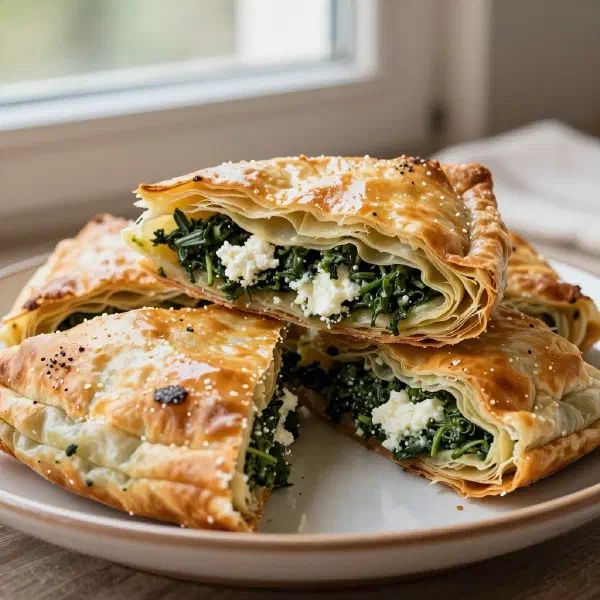
Meet Shapkat, the golden little pastry parcels that have long been a favourite of the Albanian countryside. Crisp on the outside and generously filled with spinach and tangy feta, they turn up at family gatherings and festive tables across the country. Fragrant with gently softened onion and warming spices, these fried pockets are the kind of hearty, moreish bite that disappears from the plate in moments. Bring a taste of rustic Albania straight to your own kitchen.
About Shapkat
Shapkat are traditional Albanian stuffed pastries with their roots firmly in the rural cooking of the countryside. These delicious little parcels are especially popular at festive occasions and family celebrations. The sheer variety of fillings and ways to prepare them make shapkat a wonderfully versatile dish that quickly wins people over.
Ingredients (serves 1–2)
- 250 g plain flour
- 1 egg
- 100 ml water
- 250 g spinach
- 200 g feta cheese
- 1 onion
- 2 tablespoons olive oil
- Salt and pepper, to taste
Shopping for the ingredients
A successful shop for shapkat starts with choosing fresh, good-quality produce. Look out for organic spinach and a proper block of feta to get the very best flavour. Many supermarkets also stock ready-made pastry sheets that make preparation easier, though a homemade dough is well worth the effort. Try to use seasonal ingredients wherever you can, as this really lifts the freshness and taste of your finished pastries.
Preparing the dish
Before you begin making shapkat, take the time to prepare all of your ingredients thoroughly. Wash the spinach well and finely chop the onion. Getting the onion nicely diced is key to drawing out its aroma and letting the filling shine. Make sure your work surface is tidy and organised so the whole process runs smoothly and at a relaxed pace.
Step-by-step instructions
- Combine the flour, egg and water in a bowl and mix well until you have a smooth dough.
- Cover the dough and leave it to rest for 30 minutes.
- Sauté the onion in olive oil in a frying pan, then add the spinach and cook until wilted.
- Crumble in the feta and stir it through the spinach and onion mixture, seasoning with salt and pepper.
- Roll the dough out thinly and cut it into small circles.
- Place a spoonful of filling in the centre of each circle and press the edges firmly to seal.
- Fry the shapkat in a pan of hot oil until golden brown and crisp.
Gluten-free / lactose-free version
For a gluten-free version of shapkat, simply swap the plain flour for rice flour or buckwheat flour to make a gluten-free dough. The filling can be made lactose-free too. Use a lactose-free feta or a plant-based alternative in its place. Just take care that your other ingredients, such as any spices you add, are certified gluten-free as well.
Tips for vegans and vegetarians
Vegans can easily adapt the shapkat filling to leave out animal products altogether. Instead of feta, a mixture of tofu and plant-based seasonings gives a similar tang and texture. The dough can be made vegan too, by replacing the egg with apple purée or soaked flaxseed. That way not only vegetarians but vegans too can enjoy these delicious pastries.
More tips and tricks
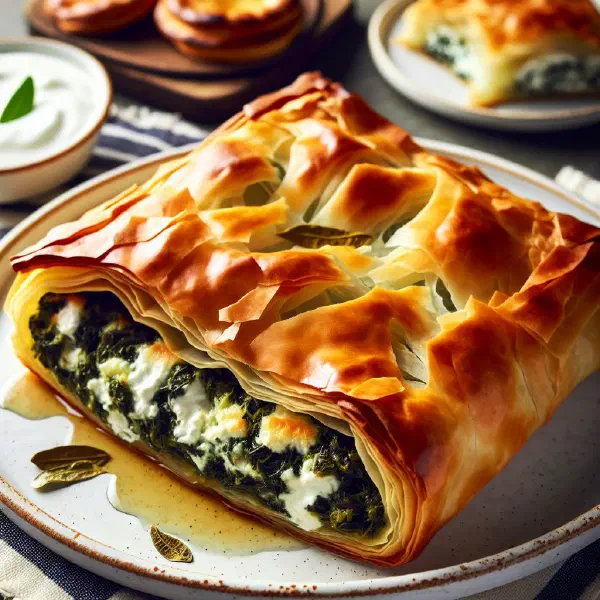
To get the perfect dough for shapkat, make sure you allow it enough resting time. This keeps it supple and much easier to roll out thinly. It also pays not to overfill the pastries, as the filling can leak out during frying. Experiment with different spices, too, to bring your own personal touch to the dish. If you love spinach parcels, the flaky Byrek Me Spinaq is well worth a try.
Adapting the recipe to your taste
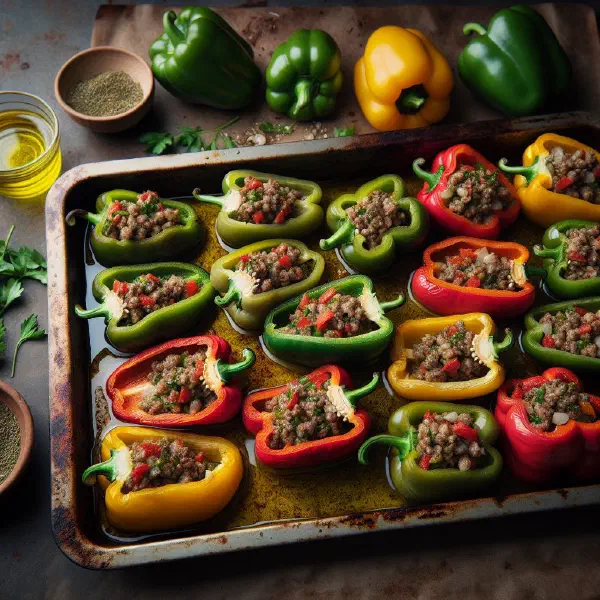
The beauty of shapkat lies in the versatility of the filling. You can choose all sorts of vegetables and cheeses to suit your own taste. Try adding mushrooms or peppers, for example, to create new flavour combinations. By simply varying the ingredients you can tailor the dish exactly to your preferences, much as you might with Speca Te Mbushura Me Oriz.
Ingredient substitutions
If you are not keen on onions, you can easily swap them for spring onions or garlic. For a sharper, more savoury note, grated Parmesan works nicely in place of feta. Even the oil you fry in can make a difference to the result. Try coconut oil, for instance, for a subtly different flavour.
Drink pairing ideas
Albanian wines pair beautifully with shapkat, especially a crisp white that echoes the flavours of the pastry. A glass of sparkling water with a squeeze of lemon also makes a refreshing accompaniment. For an alcohol-free option, light and zingy homemade fruit coolers round off the meal perfectly.
Serving and presentation ideas
An attractive presentation of shapkat begins with colourful sides and careful plating. Serve the pastries on a large platter and garnish them with fresh coriander or parsley. A small dip of yoghurt or a piquant sauce alongside complements the flavour perfectly. Wooden boards or rustic plates lend the whole spread an authentic, homely feel.
A bit of history
The roots of shapkat reach deep into the traditions of Albanian cooking. This dish was born in rural regions and long counted among the favourites of the local people. The preparation and ingredients vary from region to region, which makes shapkat a genuine expression of Albanian culture. These pastries are of community and gathering, a spirit shared with hearty dishes across Albanian cuisine.
More recipe ideas
Summary: Shapkat
In summary, shapkat are a delicious and versatile speciality of Albanian cooking. With their hearty filling and crisp pastry, they are a hit at any occasion. Vegan or in the traditional way, shapkat offer a memorable taste experience in every variation. Discover the flavours of Albania and enjoy these special little pastries at your next meal.