National Dish Algeria: Boulou (Recipe)
In this article
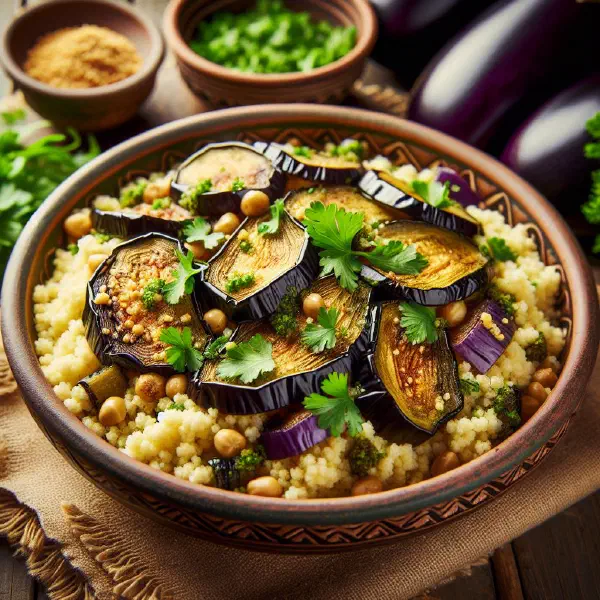
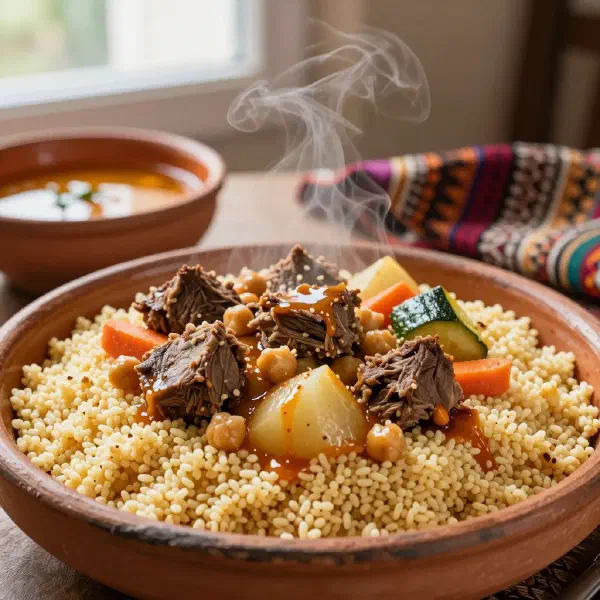
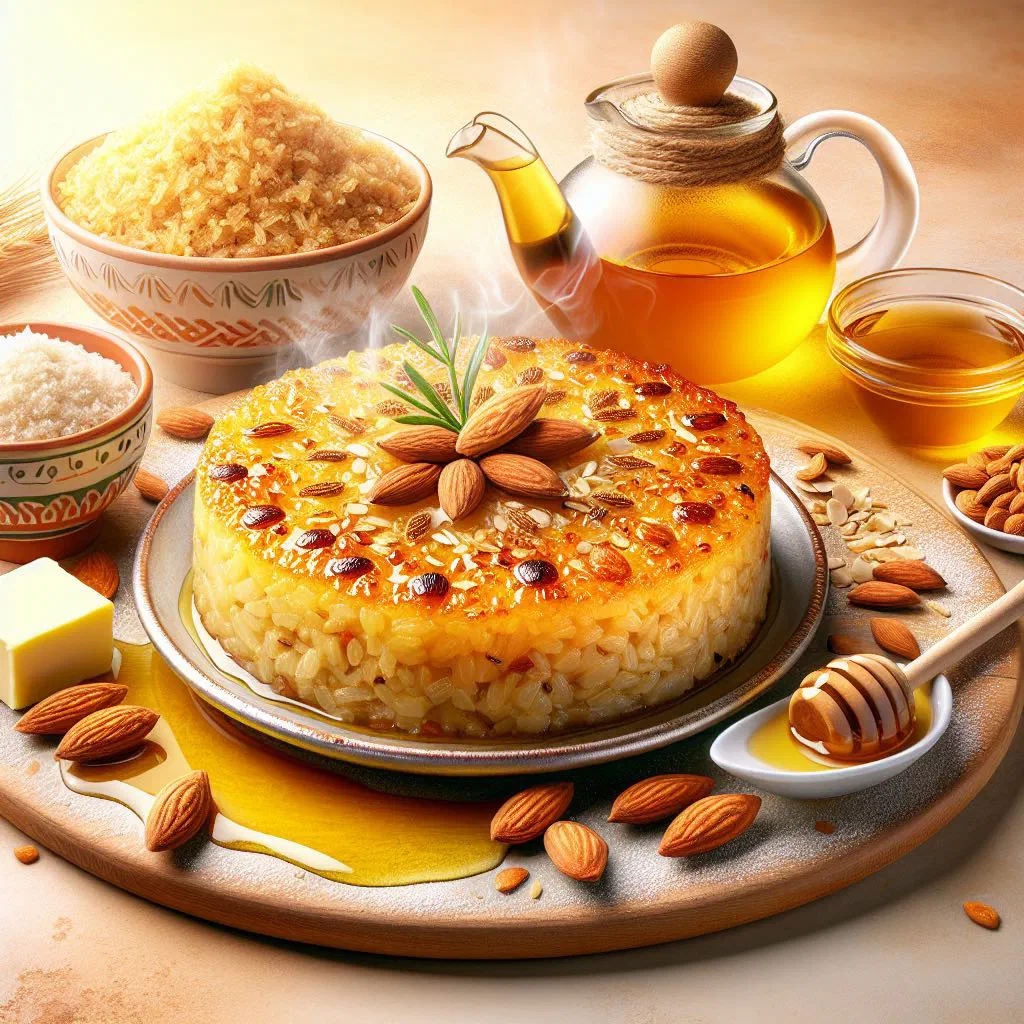
Discover Boulou, a traditional treat from Algeria that captures the warm, aromatic soul of North African cooking. Built around nutty durum wheat semolina and a generous hand with the spice box, it comes together with only a handful of ingredients yet delivers real depth of flavour. Enjoyed as a hearty snack or as part of a larger spread, boulou is the kind of humble, satisfying dish that brings the flavours of the Maghreb straight to your own kitchen.
About Boulou
Boulou is a traditional dish from Algeria, celebrated for its warm aromas and its nourishing ingredients. It has its roots in Algerian culture and is often served on special occasions. The interplay of different spices and staple ingredients reflects the wonderful variety of North African cooking. Boulou is more than a main dish, too. It makes an equally welcome, satisfying snack at any time of day.
Ingredients (serves 1–2)
- 150 g durum wheat semolina
- 100 ml water
- 1/2 teaspoon salt
- 1 teaspoon olive oil
- Spices of your choice (e.g. paprika, cumin)
- Optional: dried fruit or nuts
Shopping for the ingredients
The ingredients for boulou are easy to find in most supermarkets or at a local market. The durum wheat semolina is the main component and should be fresh to guarantee the best aroma. Look out for good-quality spices when you shop, as they have a decisive influence on the flavour of the finished dish. If you would like to add nuts or dried fruit, choose these with equal care to enjoy the best possible result.
Preparing the dish
Before you begin cooking, gather all of your ingredients together. This makes the whole process easier and ensures nothing gets forgotten. It is also worth setting out your spices to taste, as they largely determine the intensity and character of the dish. Good preparation is the key to a successful result.
Step-by-step instructions
- Combine the durum wheat semolina thoroughly with the water and the salt in a bowl.
- Leave the mixture to rest for about 30 minutes so it can swell properly.
- Heat the olive oil in a pan and spread the spiced semolina mixture over it in an even layer.
- Fry over a medium heat for around 15 minutes, until the underside is golden brown.
- Carefully turn the boulou and fry the other side too, until it is golden and crisp.
- If you like, add dried fruit or nuts during frying.
Gluten-free / lactose-free version
For a gluten-free version of boulou, simply use a gluten-free flour in place of the durum wheat semolina. The method stays the same, though you may need to adjust the amount of liquid slightly to reach the right consistency. For a lactose-free result, plant-based alternatives such as rapeseed oil work well instead of olive oil.
Tips for vegans and vegetarians
Boulou is naturally vegan, as it contains no animal products at all. Vegans should simply check that all the spices and any additional ingredients are free from animal-derived components. You can also stir in extra vegetables or plant-based proteins such as chickpeas or lentils to make the dish even more nourishing. A creative touch might be to work in different seasonal vegetables according to what you have to hand.
More tips and tricks
To draw out the full flavour of boulou, it is worth lightly toasting the spices before adding them to the mixture. This intensifies the aromas and lets the ingredients shine. You can also garnish the dish with fresh herbs to add a lift, both in taste and in appearance. Reaching for high-quality ingredients likewise makes a real difference to the finished result.
Adapting the recipe to your taste
The versatility of boulou makes it easy to adjust to your own preferences. If you like things hotter, add chilli or pepper. For a sweeter note, honey or sugar combined with dried fruit is an ideal choice. Feel free to experiment with different spices and ingredients to develop your own signature version.
Ingredient substitutions
If you do not have durum wheat semolina to hand, you can also use cornmeal, though this will change the flavour a little. For those watching their calories, cauliflower rice makes an extremely light alternative. In place of olive oil, coconut oil works nicely and lends the dish a distinctive note. The same forgiving, adaptable spirit runs through breads like Kesra, so there is always a swap to suit your needs.
Drink pairing ideas
Boulou pairs best with a refreshing, fruity tea or a light red wine that complements the flavours of the dish. Alternatively, a homemade mint lemonade brings a wonderful freshness to the table. For an alcohol-free option, a cooling yoghurt drink adds a creamy, refreshing note. These drinks all harmonise beautifully with the spiced, nourishing character of boulou.
Serving and presentation ideas
Presentation can give the whole meal a special touch. Serve the boulou on a colourful plate and garnish it with fresh herbs or edible flowers. A squeeze of lemon juice just before serving brightens the colours and intensifies the flavour. A side of fresh salads rounds everything out into a complete and inviting dish.
A bit of history
Boulou is closely tied to Algerian gastronomy and its traditional home cooking. Over the years it has become something of a centrepiece in many households, especially at festivals and celebrations. The dish brings together influences from several cultures, as Algeria has historical connections to the Romans, Arabs and Berbers. This cultural blend is reflected in the ingredients and preparation methods that have been handed down from one generation to the next, and it sits at the heart of Algerian cuisine.
More recipe ideas
Summary: Boulou
To sum up, boulou is a versatile and flavoursome dish that is perfect for discovering Algerian cooking. The combination of nourishing ingredients and aromatic spices makes it especially appealing and easy to adapt. Boulou brings a piece of culture into your kitchen. Give this recipe a try and enjoy the flavours of North Africa in your own home.