National Dish Algeria: Fish Couscous (Recipe)
In this article
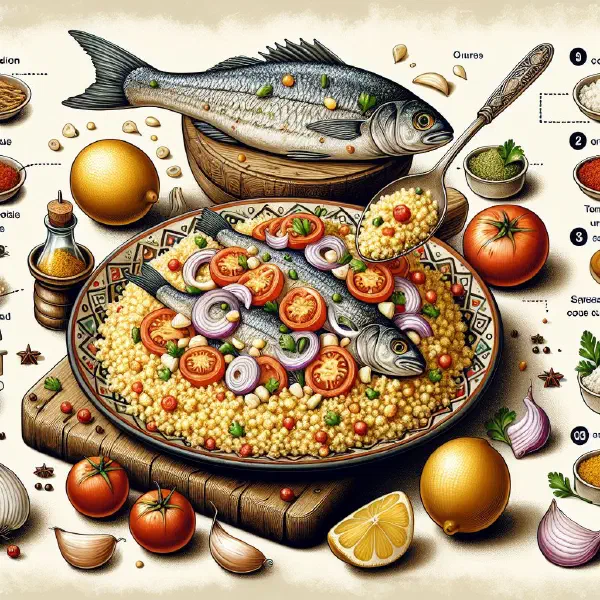
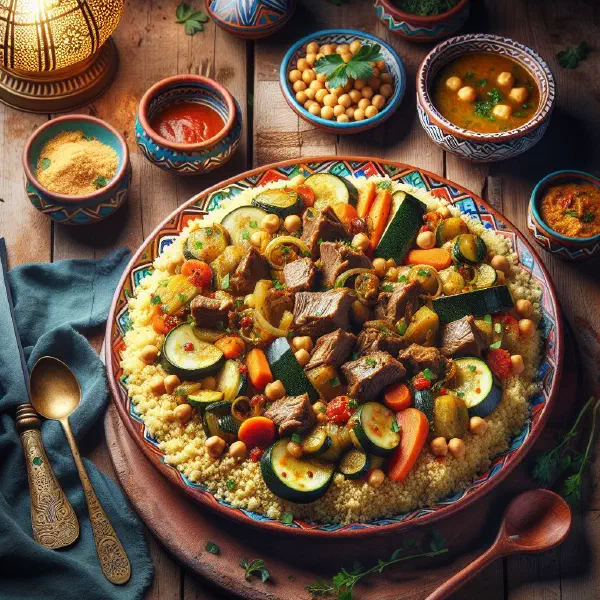
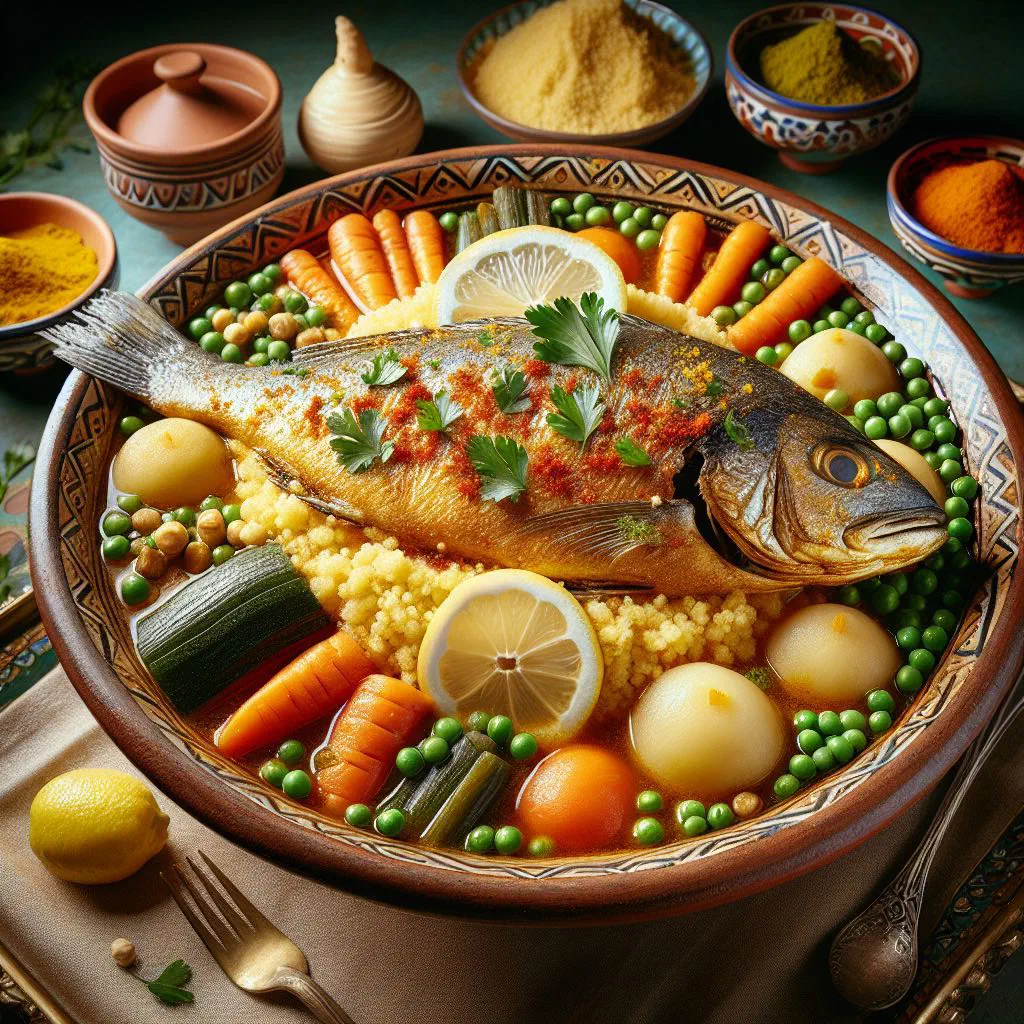
Discover Fish Couscous (kouskous au poisson), a dish that nourishes both the palate and the soul. It brings together the finest couscous with freshly caught fish and a colourful medley of vegetables, capturing the sunlit flavours of Algeria’s Mediterranean coast. Whether for a family gathering or a special celebration, this fragrant, wholesome plate is always a welcome centrepiece, marrying the bounty of the sea with the richness of North African cooking.
About Fish Couscous
Fish Couscous is a traditional Algerian dish that appeals to the senses while feeding the spirit. At its heart is the finest couscous, paired with freshly caught fish, typically mackerel or stockfish, and a generous variety of vegetables. The flavours of this Mediterranean cooking reflect Algeria’s geography, where the sea and fertile soils together create the ideal conditions for refined, aromatic food. At special occasions or in convivial company, Fish Couscous should never be missing from the table.
Ingredients (serves 1–2)
- 200 g couscous
- 300 g fish fillet (e.g. mackerel or sea bream)
- 1 onion, diced
- 1 carrot, sliced
- 1 courgette, diced
- 1 pepper, diced
- 2 tomatoes, diced
- 1 litre fish or vegetable stock
- Olive oil
- Salt and pepper, to taste
- Fresh herbs (e.g. parsley or coriander), to garnish
Shopping for the ingredients
When shopping for the ingredients, it is important to choose fresh, high-quality produce. Visit local markets or a fishmonger to make sure the fish is as fresh as possible. For the couscous, wholegrain varieties are a good choice, as they let the original character of the dish shine through. Don’t forget to pick up fresh herbs for garnishing, which enhance the dish both visually and in flavour.
Preparing the dish
Before you begin cooking, prepare all the ingredients. Wash and cut the vegetables into even pieces so they cook uniformly. Fillet the fish if it is not already sold in fillets. It is worth heating the stock in advance, as it is added straight after the couscous has steamed, ensuring a perfect texture and a well-judged cooking point.
Step-by-step instructions
- Sauté the onion in olive oil until golden brown.
- Add the chopped vegetables and fry briefly.
- Lay the fish on top and pour over the stock.
- Moisten the couscous in a bowl with a little olive oil, then pour the hot stock over it. Cover and leave to swell for 5–10 minutes.
- Fluff the steamed couscous with a fork and serve together with the fish and vegetables.
Gluten-free / lactose-free version
The traditional preparation of Fish Couscous is easily adapted for a gluten intolerance or lactose intolerance. For a gluten-free version, use quinoa in place of couscous, which gives a similar texture. When choosing the fish and vegetables, take care that no lactose-containing ingredients are included. That way the dish stays tasty and wholesome for everyone.
Tips for vegans and vegetarians
Fish Couscous can also be adapted for vegans and vegetarians by simply replacing the fish with plant-based proteins. Roasted chickpeas or cubes of tofu are excellent alternatives that also provide plenty of protein. For the stock, use vegetable stock, which you can likewise season to your own liking. The flavours remain so intense and satisfying that everyone at the table will be pleased, much as they would be with a bowl of hearty Kouskous Aux Legumes.
More tips and tricks
For an even tastier result, add different spices while preparing Fish Couscous. Toasted cumin or coriander bring extra aromas to the fore. Take care not to make the stock too salty, as the couscous absorbs some of the liquid and passes its seasoning on to the fish. The right balance ensures the dish is perfectly rounded.
Adapting the recipe to your taste
One of the lovely features of Fish Couscous is how flexible the recipe is. You can choose the varieties of vegetable and fish entirely to personal taste. How about a combination of salmon and fennel, or a bold kick from a little chilli? Try different variations to create your very own couscous. That way, every preparation becomes unique and tuned exactly to your preferences.
Ingredient substitutions
If some ingredients are not available, there are many alternatives you can use. In place of couscous, millet or pasta works well to create a different texture. Instead of fish, you can also use seafood such as prawns or mussels, which cook quickly and give the dish fresh momentum. A spoonful of chermoula marinade, the same herby paste that lifts a classic Tajine Hout, adds another layer of flavour. Be adventurous and find your own twist.
Drink pairing ideas
Light white wines pair beautifully with Fish Couscous, underlining the flavours of the dish. A cold, crisp rosé or an aromatic Muscat harmonises wonderfully with the Mediterranean tastes. Alternatively, serve non-alcoholic options such as minted tea or a refreshing citrus drink, which complement the aromas perfectly. Experiment with different drinks to round off the meal.
Serving and presentation ideas
Presentation is a decisive factor in the overall experience. Serve Fish Couscous in a large bowl where all the ingredients are clearly visible. Finish the dish with fresh herbs and lemon slices to add colour and freshness. You can also drizzle the dish with olive oil to complete its appetising look. This turns your meal into a true feast.
A bit of history
Fish Couscous has a long and fascinating history, deeply rooted in Algerian culture. It originally comes from the Berber region and shows the influences of Arab, Mediterranean and European cooking. In many Algerian families it is prepared with great care and for special occasions. This tradition remains alive, connecting generations through the sharing of a delicious and nourishing dish, one of the cornerstones of Algerian cuisine.
More recipe ideas
Summary: Fish Couscous
Fish Couscous is more than just a dish; it is an experience that embodies the heart of Algerian cuisine. By combining fresh fish, aromatic vegetables and tender couscous, it creates a composition of flavour that is both festive and suited to everyday meals. Experiment with the ingredients and adapt the recipe to your preferences to add a personal touch. Enjoy the varied aromas and the cultural depth of this wonderful dish.