National Dish Algeria: Halwa (Recipe)
In this article
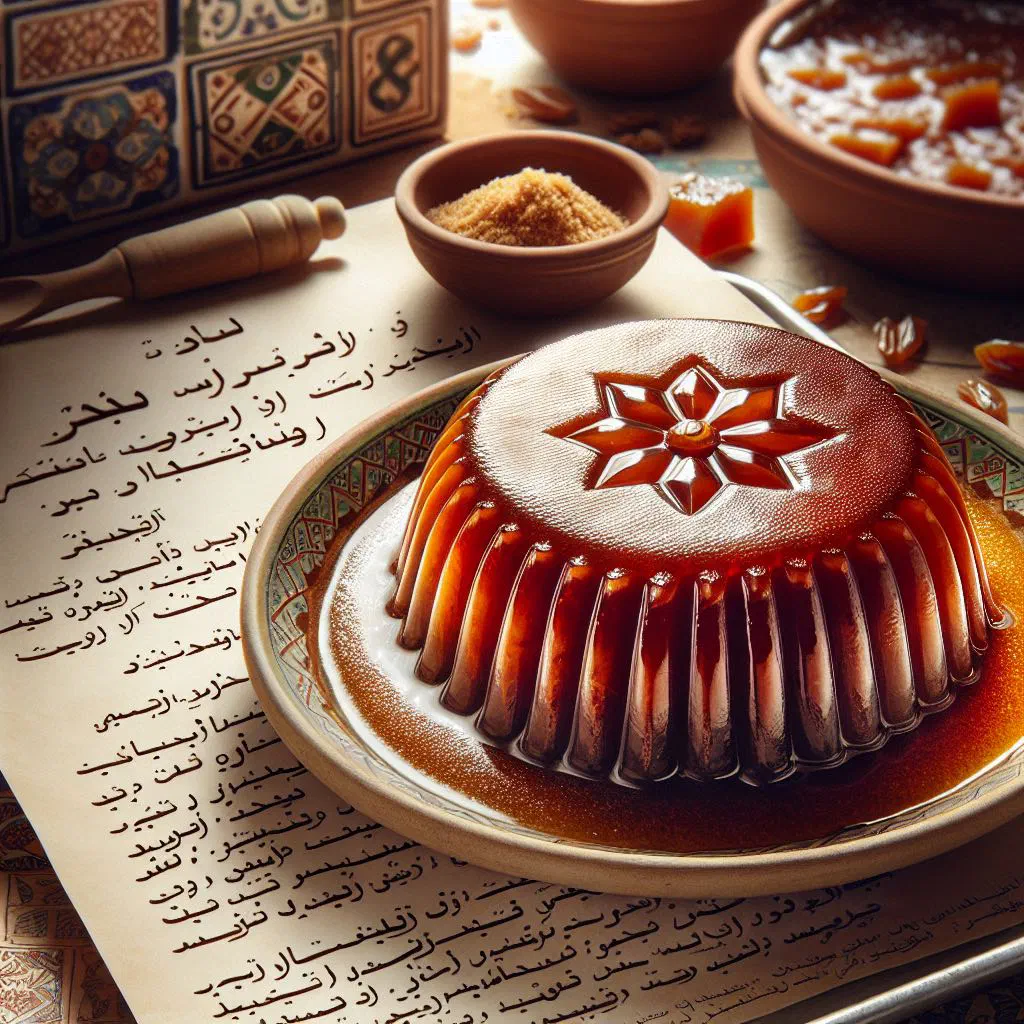
Discover Halwa, one of Algeria’s most treasured sweets. This traditional dessert brings together toasted almonds, fragrant honey and a whisper of rose water for a treat that feels both rich and delicate. With its warm hints of cinnamon and its pale, tender crumb, it graces festive tables and quiet afternoons alike. Bring a little of Algeria’s sweet heritage into your own kitchen with this simple, aromatic recipe.
About Halwa
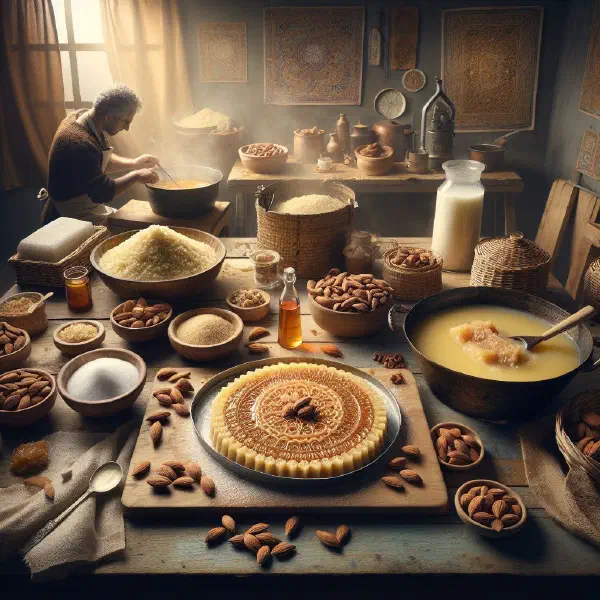
Halwa is a traditional Algerian dessert admired for its rich flavour and for its layered, fragrant aromas. The dish weaves together a handful of ingredients and spices that come into harmony on the palate. The combination of honey, rose water and almonds in particular gives it an unmistakable character. At festive occasions Halwa often takes pride of place on the table and never fails to impress guests. Yet it is not only about taste, presentation matters too. Its tender texture and pale golden hue make Halwa the perfect sweet, one with a long and proud tradition in Algerian culture.
Ingredients (serves 1–2)
- 200 g almonds
- 150 g honey
- 60 ml rose water
- 1 tsp cinnamon
- 2 tbsp butter
- A pinch of salt
Shopping for the ingredients
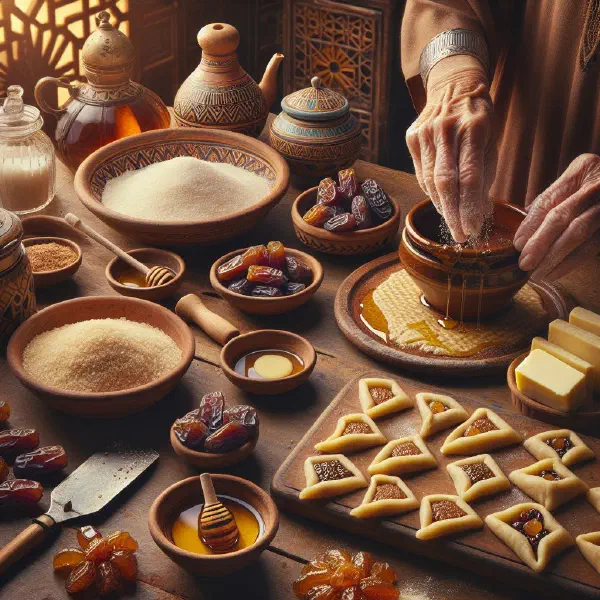
Before you start cooking, it is worth focusing on sourcing your ingredients. Most of what you need for Halwa is available in a well-stocked supermarket or a Middle Eastern grocery. It pays to look out for fresh almonds, as they have a decisive influence on the flavour of the finished dish. The honey and rose water should be of good quality too, so the aroma comes through at its best. If you enjoy exploring more of this cuisine, a jar of rose water will also serve you well for other bakes.
Preparing the dish
Preparing Halwa is straightforward and fuss-free. First, the almonds should be roughly chopped or ground, depending on your preference. Take care not to grind them too finely, so the dessert keeps its texture. While you work on the almonds, you can set out the remaining ingredients, ensuring everything comes together smoothly once you begin cooking.
Step-by-step instructions
- Heat the butter in a pan over a medium heat.
- Add the roughly chopped almonds and toast them until golden brown.
- Pour in the honey and the rose water, and stir everything together well.
- Add the cinnamon and a pinch of salt, then let the mixture simmer for about 5 minutes until it thickens.
- Pour the mixture into a greased mould and leave it to cool until set.
Gluten-free / lactose-free version
Halwa is naturally gluten-free and lactose-free, as long as you use a plant-based alternative to the butter. For a vegan version you could reach for coconut oil, which lends the dessert a lovely distinctive note. Take care to swap the honey for a vegan sweetener if you are making Halwa for vegans. These small adjustments make Halwa a versatile dessert that suits many dietary needs, much like the naturally plant-friendly Zaalouk.
Tips for vegans and vegetarians
When preparing Halwa for vegans or vegetarians, a few simple adjustments are all it takes. Replacing the honey with maple syrup or agave nectar keeps the dessert free of animal products. Choosing plant-based fats such as coconut oil instead of butter is another delicious variation. These versions mean everyone can enjoy this sweet treat.
More tips and tricks
When making Halwa you can get creative and try your own variations. You might add dried fruit or plenty of flavour from pistachios, for extra crunch and colour. Combining different spices can vary the taste as well. Feel free to experiment with the method until you find your very own Halwa recipe. If you love almond-forward sweets, you will find the same spirit in Makroud El Louse.
Adapting the recipe to your taste
The wonderful thing about Halwa is how easily the recipe adapts to personal preferences. If you like things less sweet, simply reduce the amount of honey. When it comes to the nuts there are no limits to your creativity. Use walnuts, cashews or any other nuts you enjoy. In this way you create a dessert that fits your taste exactly and becomes the highlight of your gatherings.
Ingredient substitutions
Sometimes you may not have all the ingredients for Halwa to hand. Instead of rose water you can use orange blossom water, which gives the dessert a different but equally delicious note. For the honey there are plenty of plant-based alternatives that offer both flavour and sweetness. A little experimenting is all it takes to find the best result for you.
Drink pairing ideas
Halwa pairs beautifully with a range of drinks. A classic Algerian mint tea complements the sweetness of the dessert perfectly. Homemade lemonade or fruit infusions also offer a refreshing contrast. These drinks not only support the flavour but help create a balanced end to a meal. A cup of tea alongside a slice of Baklawa Algerienne makes for an equally lovely spread.
Serving and presentation ideas
The presentation of Halwa can make a decisive first impression. Serve it on striking plates or in small bowls, garnished with a pinch of cinnamon or dried flowers. An appealing decoration plays its part too; use fresh mint leaves or edible flowers to lift the dessert visually. That way Halwa becomes a treat not only for the palate but for the eye.
A bit of history
Halwa has a long history, one deeply rooted in Algerian culture. The dish is thought to have been made for centuries, with origins in the Middle East. Over the years the method and ingredients have evolved, with each cook adding their own personal secret touch. So Halwa remains a living part of Algeria’s culinary tradition, forever being reinterpreted. It sits comfortably among the great sweets of Algerian cuisine.
More recipe ideas
Summary: Halwa
Halwa is a true masterpiece of Algerian cooking, bringing pleasure to every sense with its aromatic ingredients and its versatile preparation. Whether at festive celebrations or as a sweet treat for any moment, this dessert is always a highlight. Thanks to the many ways it can be adapted, Halwa is not only special but wonderfully flexible in the making. Let it inspire you and discover the variety this traditional dish has to offer.