National Dish Algeria: Harcha (Recipe)
In this article
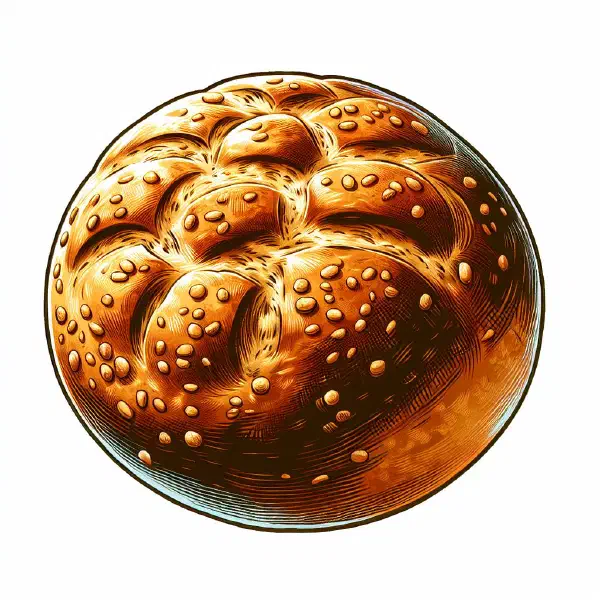
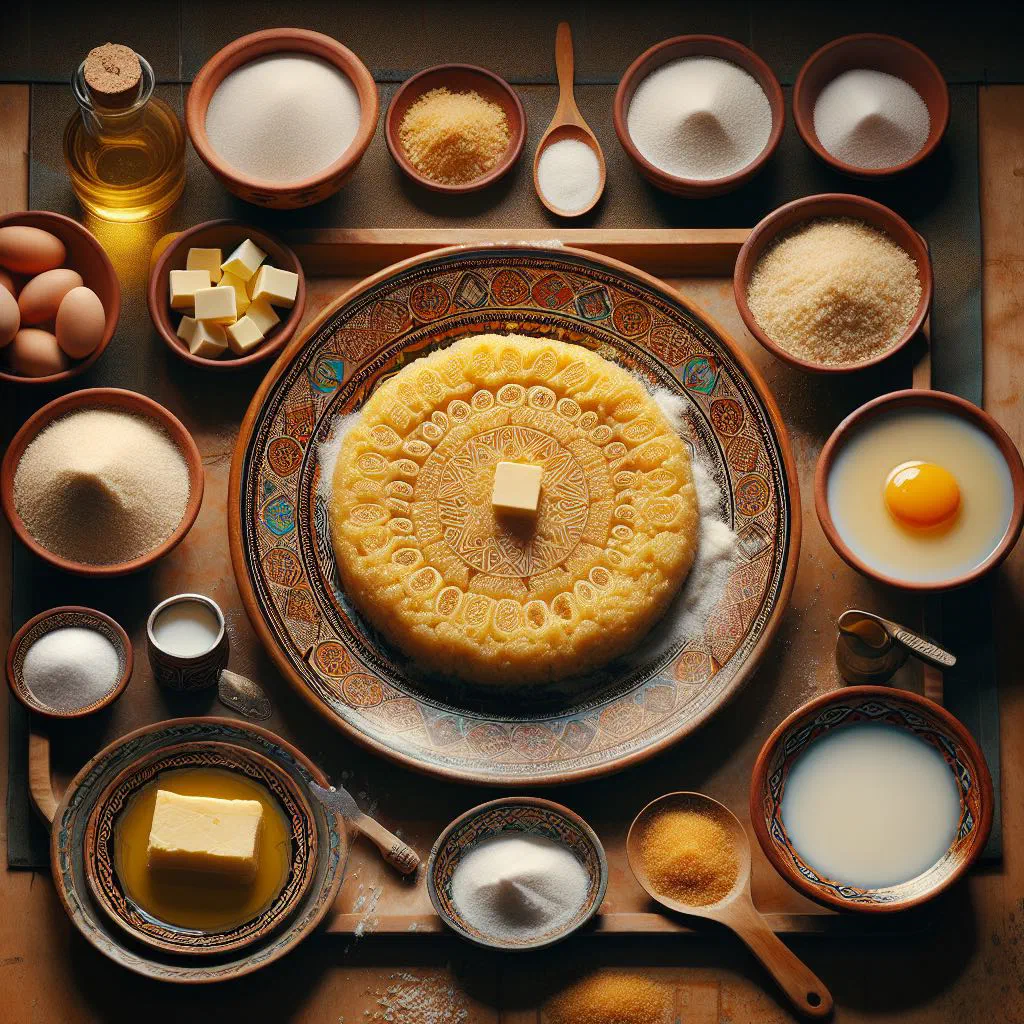
Say hello to Harcha, a golden, pan-fried cornmeal bread that sits at the heart of the Algerian table. With its crunchy crust and soft, airy crumb, this simple flatbread turns up at breakfast, teatime and family gatherings alike. Enjoy it warm, split open and drizzled with honey and butter, or serve it as a comforting side to a hearty main. It is easy to make, endlessly satisfying and brings a genuine taste of Algeria into your own kitchen.
About Harcha
Algerian cooking is celebrated for its varied and aromatic dishes, and Harcha is no exception. This traditional cornmeal bread is a much-loved companion to countless main courses and is treasured in most households. It is often served simply with honey and butter, or enjoyed as a side alongside savoury dishes.
Ingredients (serves 1–2)
- 250 g cornmeal
- 50 g plain wheat flour
- 1 teaspoon baking powder
- 300 ml water or milk
- 1 teaspoon salt
- 2 tablespoons olive oil or butter
Shopping for the ingredients
To make harcha you need only a handful of basic ingredients, all of which are easy to find in any supermarket. Cornmeal is the main component and gives the bread its characteristic texture. Choose good-quality wheat flour for the best result. Salt, baking powder and olive oil or butter are equally simple to source and each plays its part in developing the bread’s flavour.
Preparing the dish
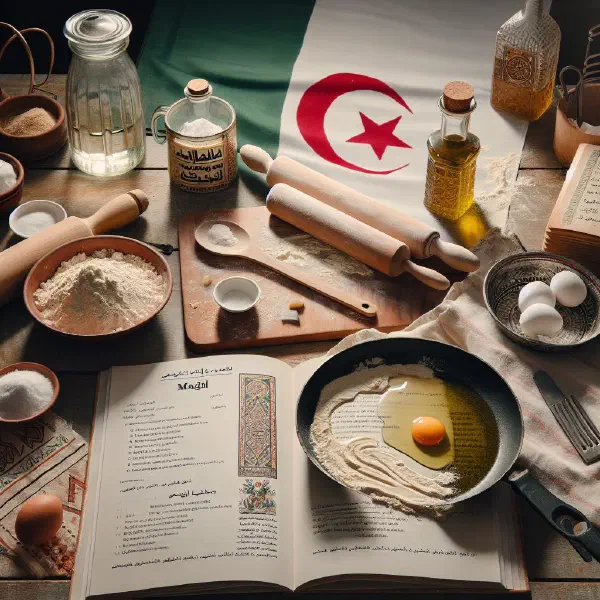
Before you start making harcha, make sure all your ingredients are within easy reach. Measure the ingredients accurately to achieve the best possible result. A little tidy preparation helps the whole cooking process run smoothly and efficiently. This matters all the more if you are cooking the dish for the first time, as it makes each of the steps easier to follow. Harcha shares this straightforward, unfussy approach with the humble Kesra flatbread.
Step-by-step instructions
- Tip the cornmeal, wheat flour, baking powder and salt into a large bowl and mix everything together thoroughly.
- Add the water or milk a little at a time, kneading the dough until it is smooth and pliable.
- Shape the dough into small rounds about 1–2 cm thick.
- Heat a non-stick pan over a medium heat and add a little olive oil or butter.
- Fry the rounds for around 5–7 minutes on each side, until golden brown.
- Serve the harcha warm.
Gluten-free / lactose-free version
If you follow a gluten-free or lactose-free diet, the recipe is easy to adapt. Leave out the wheat flour and stick with cornmeal, then swap the milk for a plant-based alternative such as almond or oat milk. These small adjustments mean you can still enjoy the delicious textures and flavours of harcha without compromising on your dietary needs.
Tips for vegans and vegetarians
Harcha is naturally vegetarian and can easily be made vegan by replacing any butter with a plant-based fat. When choosing dairy-free alternatives to milk, take care to pick unsweetened versions so you keep the bread’s original flavour intact. Experiment with different plant oils to find the best possible consistency and taste.
More tips and tricks
To get the most out of your harcha, there are a few handy tips worth knowing. Aim to shape the rounds evenly and not too thick so they cook through uniformly. You can also work a pinch of cumin or other spices into the dough for extra aroma. Serve harcha with a selection of dips or savoury spreads to enrich the whole experience.
Adapting the recipe to your taste
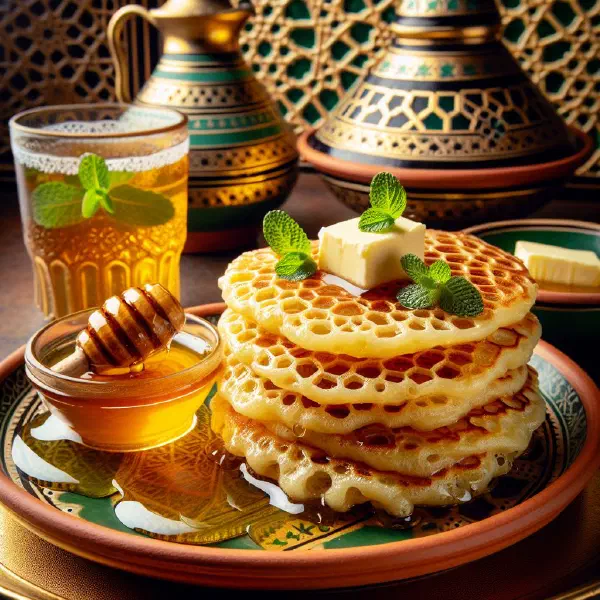
The beauty of harcha is how readily you can adapt it to your own preferences. Stir in herbs such as thyme or parsley for a fresh note, or experiment with different types of flour to vary the texture. A well-judged mix of spices can also help shape the bread exactly to your liking. Do not be afraid to get creative, much like the versatile Baghrir pancakes, harcha welcomes a personal touch.
Ingredient substitutions
If you do not have every ingredient to hand, there are plenty of alternatives you can turn to. Rice flour, for example, can stand in for wheat flour to create a gluten-free harcha. You might also use a different mild oil in place of olive oil to add an interesting flavour twist. Think about what you have available and adjust the recipe accordingly.
Drink pairing ideas
A typical Algerian dish like harcha pairs beautifully with a range of drinks. A refreshing mint tea or a fruity iced tea is ideal for complementing the flavours of the bread. Alternatively, a smooth yoghurt drink or simply a glass of water rounds off the experience nicely.
Serving and presentation ideas
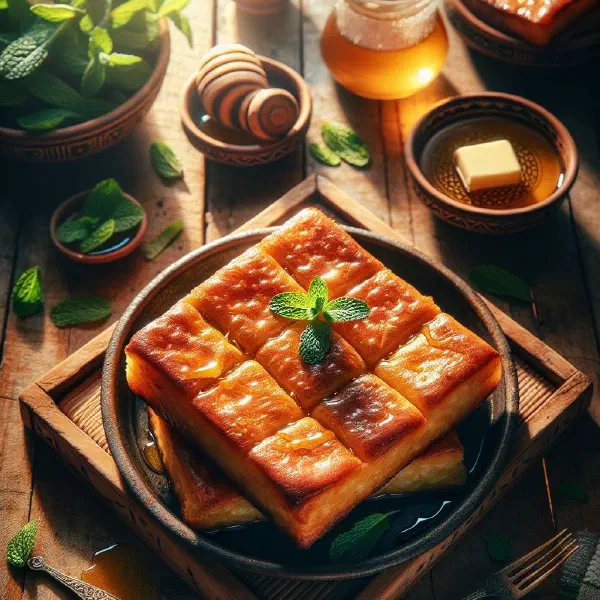
Presentation can make all the difference in giving harcha an inviting, appetising look. Serve the golden-brown rounds on an attractive plate or a wooden board, garnished with fresh herbs or even a few drizzles of honey. Adding colourful fruit or vegetable sticks completes the picture and tempts your guests to dig into the delicious bread.
A bit of history
Harcha has its roots in Algerian food culture and has been prepared here for centuries. This traditional cornmeal bread is often served at festivals or special occasions and is a symbol of the hospitality of old Algerian families. Its simple preparation and delicious flavours have made harcha a timeless favourite, passed down from generation to generation. Making harcha is not merely a culinary act but part of the cultural heritage of Algerian cuisine.
More recipe ideas
Summary: Harcha
In short, Harcha is a delicious, traditional Algerian cornmeal bread that wins hearts with its crunchy crust and soft crumb. It is wonderfully versatile, ready to accompany all manner of dishes or to be enjoyed simply with honey and butter. With the right ingredients and a little creativity, you can easily prepare this authentic bread yourself and bring a piece of Algerian culture into your own kitchen. Savour the flavours and the history of this wonderful bread.