National Dish Algeria: Hrira Algérienne (Recipe)
In this article
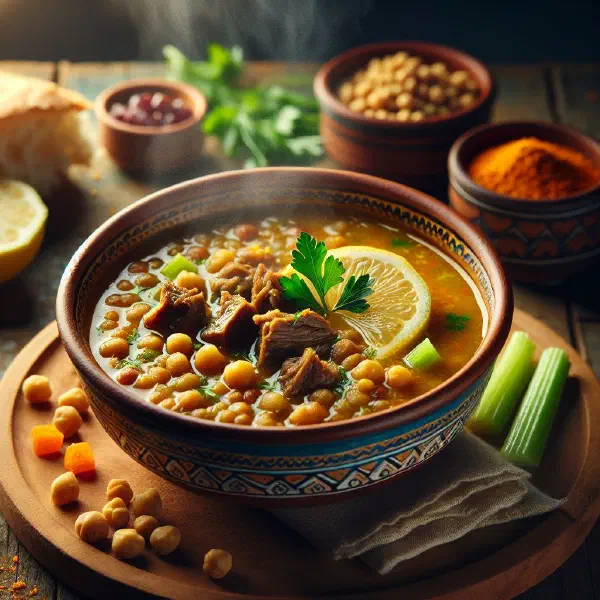
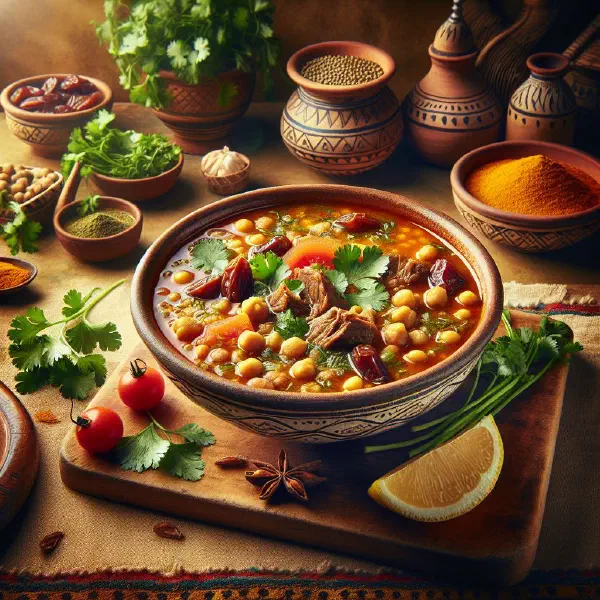
Meet Hrira Algérienne, a warming, deeply satisfying stew that sits close to the heart of Algerian cooking. Built on tender lentils, chickpeas and a fragrant medley of spices, this dish balances tradition with layer upon layer of flavour. It is most closely associated with Ramadan, when it appears on tables to break the day’s fast, yet it is nourishing and comforting enough to enjoy at any time of year. Bring a taste of North Africa straight to your own kitchen.
About Hrira Algérienne
Hrira is a hearty stew that plays a central role in Algerian cuisine. This national favourite brings together tradition and an abundance of aromas, and it is often served during Ramadan. The combination of soft lentils, chickpeas and a generous range of fragrant spices makes hrira a feast for the senses. It is delicious and genuinely nourishing, the sort of bowl that restores both body and soul. Like a good Chorba Frik, it turns a simple gathering into something memorable.
Ingredients (serves 1–2)
- 100 g lentils
- 50 g chickpeas (dried or tinned)
- 1 large onion, diced
- 2 tomatoes, puréed
- 2 tablespoons oil (such as olive oil)
- 1 teaspoon cumin
- 1 teaspoon paprika
- 2 sprigs of fresh coriander or parsley
- Salt and pepper to taste
- Water or vegetable stock
Shopping for the ingredients
To make hrira you will want fresh, good-quality ingredients. Visit your local supermarket or an Arabic grocery to track down the best lentils and chickpeas. Take care to choose fresh spices, as these have a marked effect on the aroma of the finished stew. Where you can, opt for organically grown produce to get the most out of every ingredient.
Preparing the dish
Before you start cooking hrira, it helps to get the ingredients ready. If you are using dried chickpeas, soak them in water for at least 8 hours. The lentils simply need a quick rinse under running water. Wash and prepare the onions and tomatoes thoroughly, and roughly chop the fresh herbs to lend the dish an extra note of freshness right at the end.
Step-by-step instructions
- Heat the oil in a large pan and add the diced onion. Fry until soft.
- Stir in the puréed tomato and let it cook briefly.
- Add the soaked, drained chickpeas along with the rinsed lentils.
- Scatter over the spices (cumin, paprika, salt and pepper) and stir well.
- Pour in enough water or vegetable stock to cover the ingredients.
- Bring to the boil, then reduce the heat and let the stew simmer for around 30–40 minutes, until the lentils and chickpeas are tender.
- Add the fresh herbs towards the end of cooking and adjust the seasoning to taste.
Gluten-free / lactose-free version
One of the wonderful things about hrira is that it is naturally gluten-free and lactose-free. By sticking to the ingredients above, you can prepare the dish safely for anyone with an intolerance. Avoid adding any gluten-containing sides, and reach for gluten-free bread as an accompaniment if you like. This makes the stew a versatile option that suits a wide range of dietary needs.
Tips for vegans and vegetarians
Hrira is a perfect dish for vegans and vegetarians, since it contains no animal products at all. If you would like a little more depth, cook with vegetable stock rather than water for a fuller flavour. Experiment with different vegetables you can stir into the pot, such as carrots or celery, to make the stew even more nourishing. A little more fresh herb also helps to intensify the aroma.
More tips and tricks
To get the very best from your hrira, it is worth soaking the pulses overnight. This shortens the cooking time and makes them easier to digest. Remember to stir the stew now and then as it cooks so nothing catches on the bottom. You can also adjust the consistency by adding more or less liquid, depending on whether you prefer a thick or a thinner stew. A pinch of cinnamon at the end of cooking can lend the dish a surprising, aromatic lift.
Adapting the recipe to your taste
The great thing about hrira is that it is adaptable and easily changed to suit your palate. You can vary the spices and herbs to shift the flavour in different directions. Add a little chilli for extra heat, for instance, or swap in other pulses such as beans. Play with the balance of ingredients to tailor the stew to your own preferences and make it a classic of your own.
Ingredient substitutions
If you do not have every ingredient for hrira to hand, there are a few handy alternatives. In place of chickpeas you might use black beans or lentils for a different texture and taste. For a quicker version you can also replace fresh tomatoes with tomato sauce, much as you would for a comforting bowl of Foul Medames. The important thing is not to skimp on the spices, since they carry most of the responsibility for the flavour of the stew.
Drink pairing ideas
A number of drinks round off the hrira experience nicely. A traditional mint tea is especially popular and offers a refreshing counterpoint to the stew’s hearty flavours. Alternatively, you could serve rosemary lemonade or freshly squeezed orange juice for a fruity note. If you prefer an alcoholic pairing, a light, fruity white wine would suit this dish well.
Serving and presentation ideas
Presentation can make hrira all the more inviting. Use an attractive bowl and garnish the dish with fresh herbs such as coriander or parsley just before serving. A squeeze of lemon juice on top helps to underline the freshness.
A bit of history
Hrira has a long history that reaches back to the Arab-Islamic era. The dish reflects the cultural diversity of Algeria and is far more than an everyday stew. It is a symbol of hospitality and community. In many households hrira is served during Ramadan as part of iftar, bringing the day to a close and gathering the family together. Every recipe has its own story and character, which makes hrira a truly unique culinary experience within Algerian cuisine.
More recipe ideas
Summary: Hrira Algérienne
In short, hrira shows us the versatility and richness of Algerian cooking. With its unique blend of aromas, nutrients and tradition, this dish connects generations and cultures. Preparing it is a culinary pleasure and a way to learn more about Algerian customs. Try hrira for yourself and let the delicious flavours work their magic. This is a dish that can be the highlight of any celebration.