National Dish Algeria: Kesra (Recipe)
In this article
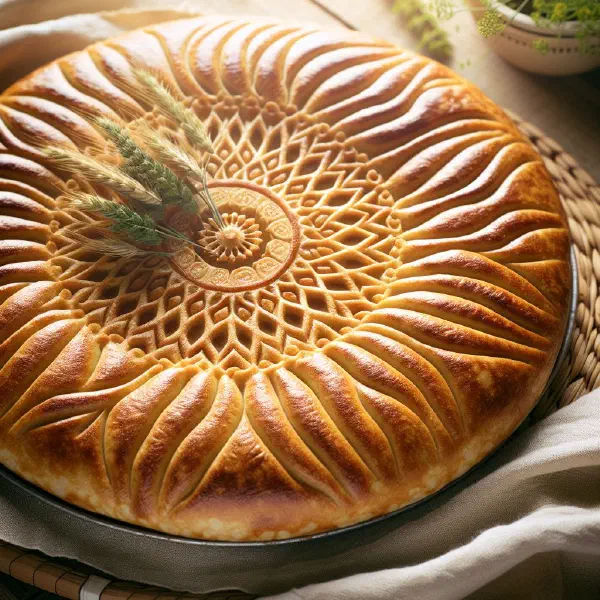
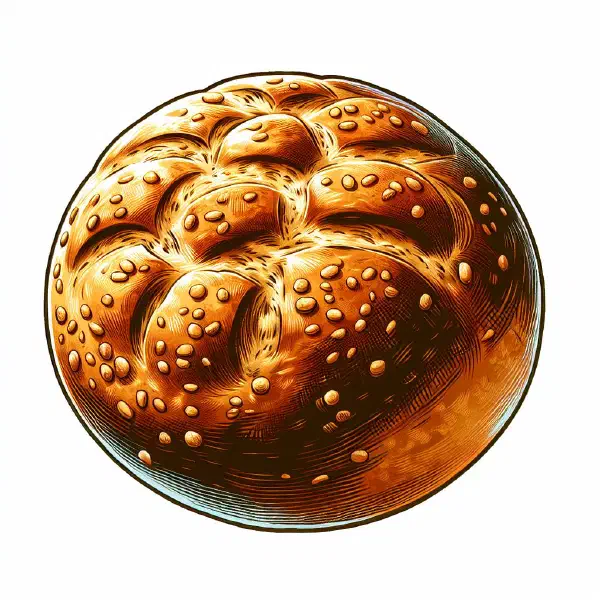
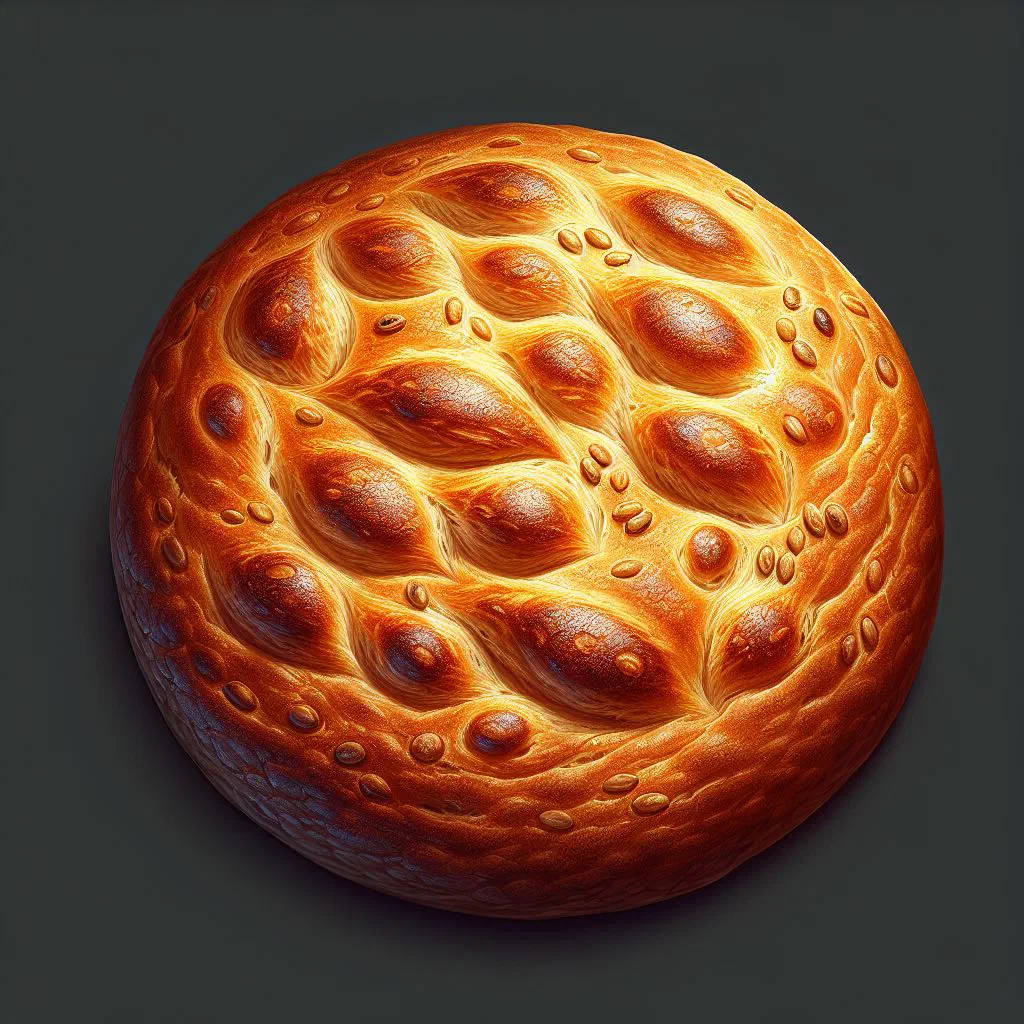
Meet Kesra, the humble semolina flatbread that sits at the very heart of the Algerian table. Made from little more than durum wheat semolina, water and salt, this rustic bread is baked until golden and brushed with fragrant olive oil. It is the perfect partner for hearty stews and soups, soaking up rich sauces beautifully. Simple, wholesome and steeped in tradition, kesra brings a taste of North African home cooking straight to your kitchen.
About Kesra
Kesra is far more than just a flatbread. It is a symbol of Algerian culture and the country’s famous hospitality. In nearly every household this simple yet flavoursome bread is served regularly, prepared with only a handful of ingredients. From these humble beginnings comes a hearty and nourishing dish that pairs with countless sides. It is the ideal companion to traditional Algerian stews, which so often reflect the tastes and aromas of the region.
Ingredients (serves 1–2)
- 500 g durum wheat semolina
- 300 ml water
- 1 teaspoon salt
- Olive oil, for brushing
Shopping for the ingredients
The ingredients for kesra are easy to track down and can be found in most supermarkets or at your local market. Durum wheat semolina is the main ingredient and gives the bread its characteristic texture. You will also need salt to bring out the flavour. Remember to pick up a good-quality olive oil too, which coats the bread as it bakes and lends it a lovely golden colour.
Preparing the dish
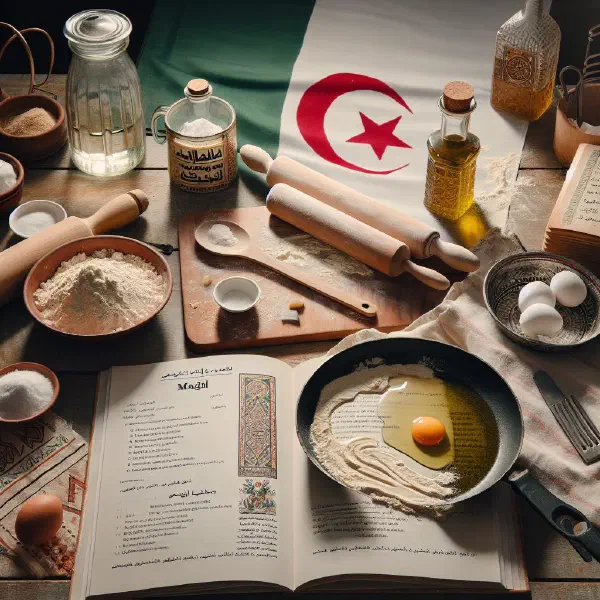
Before you begin, it helps to gather all your ingredients and keep your work surface clean and tidy. Measure everything out and set up a mixing bowl ready for the dough. Make sure you also have a suitable frying pan or baking stone for cooking the kesra, as this ensures even heat and the perfect result.
Step-by-step instructions
- Tip the durum wheat semolina and salt into a bowl.
- Gradually add the water, kneading the dough until it is smooth and supple.
- Cover the dough with a cloth and leave it to rest for 30 minutes.
- Divide the dough into two portions and shape each into a flat round.
- Heat a pan and cook the flatbreads until golden on both sides.
- Brush the finished breads with olive oil and serve warm.
Gluten-free / lactose-free version
Kesra can easily be made gluten-free by using alternative flours such as rice flour or almond flour. These versions may call for a slight adjustment to the amount of liquid, but the result is just as delicious. For a lactose-free preparation, it is simply a matter of making sure every ingredient you use is lactose-free, particularly the olive oil, which is often relied on to boost the flavour. That way you can enjoy kesra without a single worry about intolerances.
Tips for vegans and vegetarians
Kesra is naturally vegan, as it is made entirely from plant-based ingredients. Just make sure the olive oil you use comes from a purely plant-based source. Vegetarians will find plenty of ways to serve kesra with plant-based sides, such as vegetable stews or a generous scoop of hummus. Served alongside a spread like Zaalouk, kesra becomes a nourishing and flavoursome meal that everyone can enjoy.
More tips and tricks
To get the best results when baking your kesra, it is important to get the pan properly hot before you add the flatbread. A little splash of water helps you test the temperature, if it sizzles, the pan is ready. You can also work spices or herbs into the dough to create an interesting flavour note. Experiment with different combinations until you find your own personal favourite.
Adapting the recipe to your taste
Kesra is wonderfully versatile and easy to tailor to your personal preferences. For a sweet version, work a little sugar or honey into the dough and serve the bread with jam or honey. For a more savoury note, add spices such as cumin or coriander. It is a great way to vary the dish according to the season and your own tastes.
Ingredient substitutions
If you cannot find durum wheat semolina, plain flour will also work in the making of kesra. Just remember to adjust the amount of liquid to get the right consistency of dough. Beyond that, the olive oil can be swapped for a dairy-free margarine if you fancy a different flavour. Adaptations like these make kesra more accessible and leave room for creative variations, much like the flexible approach used for Baghrir.
Drink pairing ideas
Many drinks pair beautifully with kesra. Mint tea is a traditional choice that complements the flavours of the bread perfectly. You could also serve various fruit juices or richly aromatic teas. Try pairing kesra with a fresh yoghurt drink to heighten the enjoyment and add a refreshing note to the meal.
Serving and presentation ideas
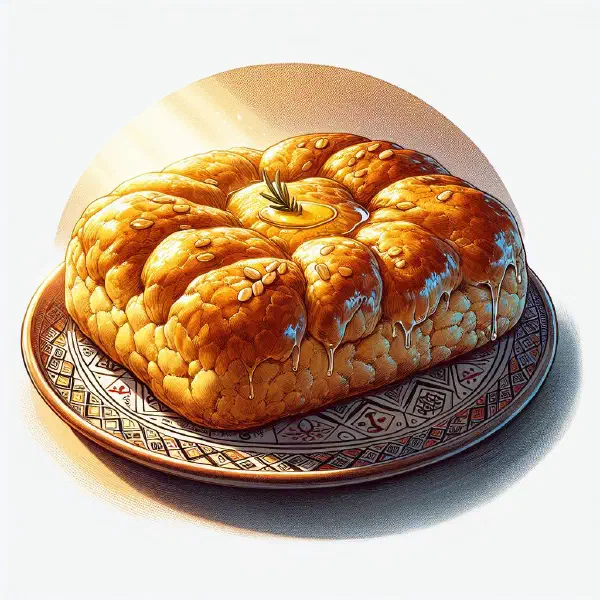
The way you present your kesra can greatly enhance the whole dining experience. Serve the bread with an assortment of dips or stews on a large platter to create an inviting atmosphere. Decorate the dish with fresh herbs to add colour and please the eye with a touch of green. Little details like these make your meal delicious and a pleasure to look at.
A bit of history
The roots of kesra reach deep into Algerian history and are inseparable from the country’s food culture. It is a traditional staple, often shared within families, and it symbolises the importance of community and togetherness. In rural areas, kesra is frequently baked in wood-fired ovens, which lends the bread a special character. Eaten at many festive occasions, it remains an essential part of Algerian cuisine.
More recipe ideas
Summary: Kesra
Kesra is far more than a simple flatbread; it is a symbol of Algerian identity and community. With just a few ingredients and a handful of straightforward steps, you can make this delicious bread yourself and pair it with all manner of sides. Kesra will always hold a special place in your heart and on your table. Savour the tradition and the flavours of Algerian cooking.