National Dish Algeria: Khobz (Recipe)
In this article
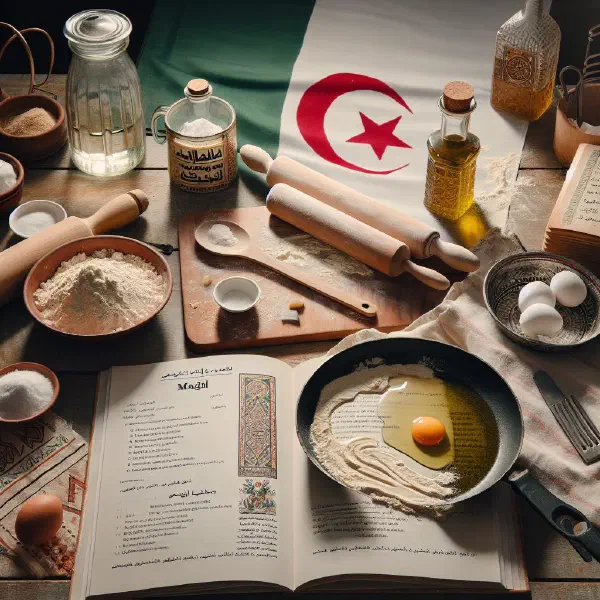
Discover Khobz, the everyday bread at the heart of Algerian kitchens. With its crisp, golden crust and soft, airy crumb, this traditional loaf is far more than a simple side. Shaped by hand and baked until beautifully browned, it appears at family meals and celebrations alike, carrying a warm sense of home and togetherness. Bring the authentic taste of Algeria straight into your own kitchen.
About Khobz
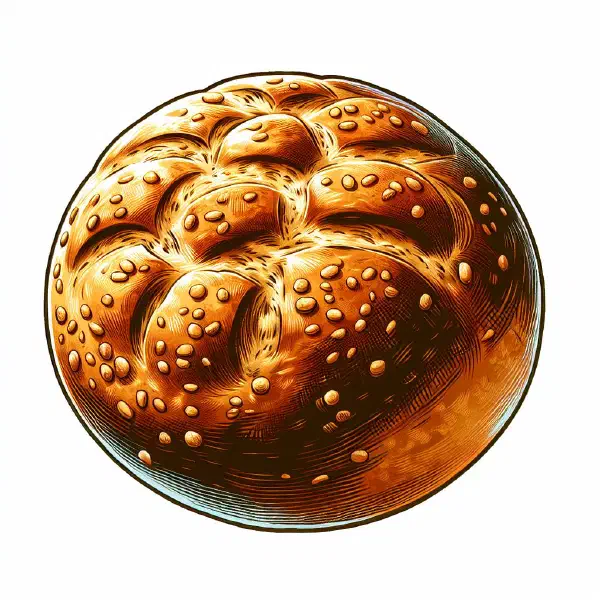
Khobz is not merely a bread but a culinary tradition that has been cherished in Algeria for centuries. It is often shaped by hand and has a characteristic crisp crust with a soft, fluffy interior. Served in countless households at festivals and family gatherings, it instantly brings a feeling of community and belonging. What makes khobz so special is that it works beautifully as an accompaniment to a huge range of dishes, complementing their flavours to perfection.
Ingredients (serves 1–2)
- 250 g wheat flour
- 150 ml water
- 1 teaspoon salt
- 1 teaspoon sugar
- 5 g dried yeast
- 2 tablespoons olive oil
Shopping for the ingredients
To make khobz, it is well worth choosing fresh, good-quality ingredients. Visit a local food market or a health-food shop to find the best wheat flour. The yeast should be fresh too, as this affects the fermentation and, in turn, the quality of the dough. Olive oil is particularly important, since it improves the flavour and the texture of the bread.
Preparing the dish
Before you begin, it helps to gather all your ingredients and clear a suitable work surface. Measure the flour and the water precisely to achieve the best possible result. You might also set out a mixing bowl and a baking tray to make the process easier. Allow around 2 hours for the dough to rise, as this is crucial for the perfect flavour.
Step-by-step instructions
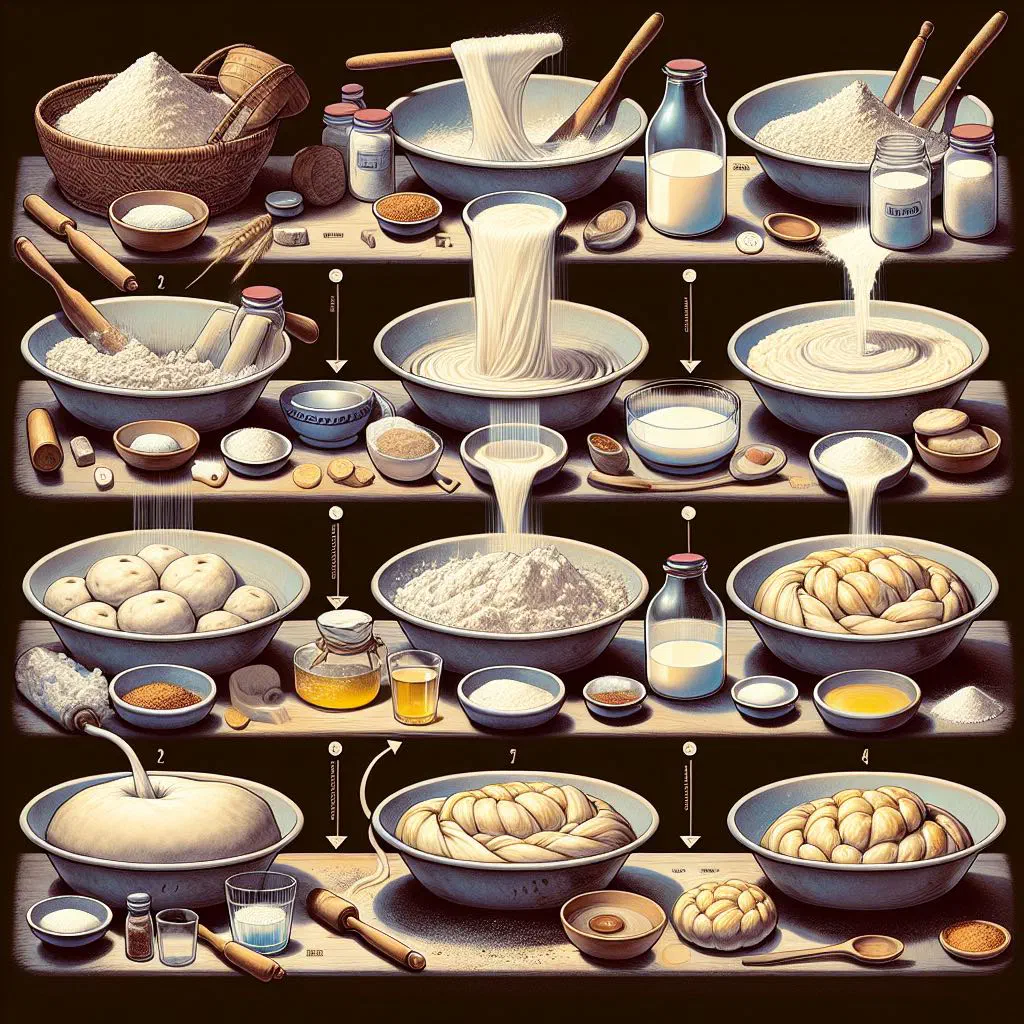
- Tip the flour into a large bowl and add the dried yeast, salt and sugar.
- Slowly pour in the water and olive oil, then mix everything together well.
- Knead the dough by hand until it is smooth and elastic.
- Place the dough in an oiled bowl, cover it, and leave it to rise in a warm spot for about 1–2 hours.
- Knead the risen dough again on a floured surface and shape it as you like.
- Transfer it to a baking tray and let it rest for a further 30 minutes.
- Preheat the oven to 220°C and bake the bread for about 25 minutes, until golden brown and crisp.
Gluten-free / lactose-free version
For a gluten-free version of khobz, you can use gluten-free flour such as rice or chickpea flour. Do take care to add a binding agent like guar gum or xanthan gum to improve the texture. For a lactose-free preparation, simply keep to the olive oil and leave out any dairy. That way the authentic flavour is preserved, even without the typical ingredients. The same approach works nicely for a soft flatbread like Kesra.
Tips for vegans and vegetarians
Khobz is already naturally vegan and vegetarian, yet there are still ways to adapt the recipe further. You can work extra herbs or spices into the dough to build more flavour. Serving it with a fresh salad or some pickled vegetables makes the meal even more interesting. Little touches like these ensure the bread is a genuine taste experience.
More tips and tricks
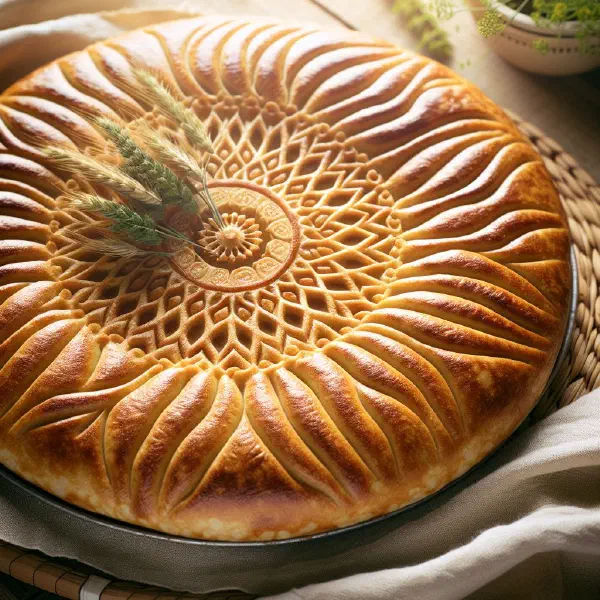
To bake the perfect khobz, make sure the dough is thoroughly kneaded, as this encourages gluten development. Another way to make the crust even crisper is to score the dough before baking. This lets the air escape and helps the bread rise evenly. If you are feeling adventurous, try adding different seeds or nuts to the dough. It is the kind of finishing flourish you might also give a rustic loaf like Kesra Matlouh.
Adapting the recipe to your taste
Khobz can be adjusted in many ways to suit different palates. Experiment with different flours such as spelt or wholemeal for a distinctive aroma. For more sweetness, you can work in a little honey or sugar. Adding herbs or spices lets you vary the flavour too, giving the bread a Mediterranean or North African character as you please.
Ingredient substitutions
If you do not have dried yeast to hand, you can also use fresh yeast, adjusting the quantity accordingly. Instead of olive oil, other vegetable oils such as rapeseed or sunflower oil work well. If you would rather leave out the sugar, try natural sweeteners such as agave syrup or maple syrup. These alternatives make for a wholesome and tasty take on the traditional khobz, much as they would with a semolina griddle bread like Harcha.
Drink pairing ideas
Khobz makes a superb accompaniment to all manner of dishes, and there are plenty of options when it comes to drinks too. A well-chilled glass of mint tea pairs wonderfully with this traditional bread and adds a refreshing note. Beyond that, fruity lemonades or sparkling water with lemon go down well.
Serving and presentation ideas
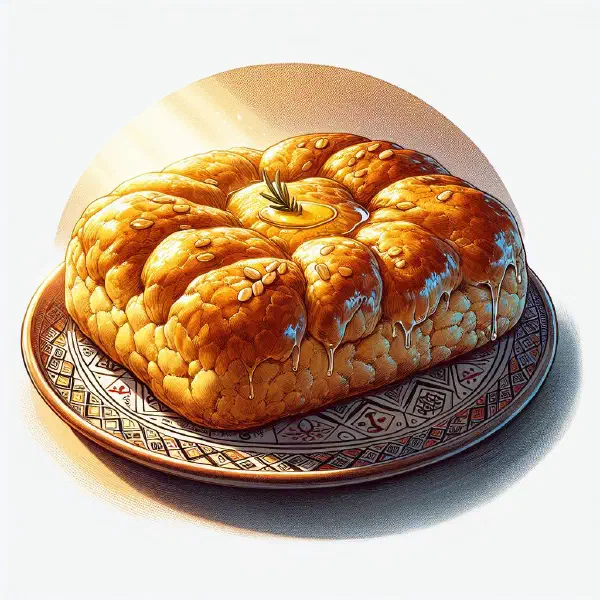
Thoughtful presentation can heighten the pleasure of khobz. Serve the freshly baked bread on an attractive wooden board, accompanied by olive oil and balsamic for an appealing centrepiece. Small pieces can also be offered in a rustic basket, which creates an inviting atmosphere. Decorative herbs such as parsley or thyme add to the look and garnish the bread beautifully.
A bit of history
The tradition of khobz reaches far back and is deeply rooted in Algerian culture. It is regarded as a symbol of hospitality and community. On special occasions khobz is often prepared in various shapes and flavours, showcasing the variety of Algerian cuisine. The method is frequently passed down from generation to generation, which means every family has its own secret recipe.
More recipe ideas
Summary: Khobz
Khobz is an indispensable part of Algerian cooking, bringing flavour and tradition into your home. It is simple to make and can be adapted to suit your tastes and the occasion. Let the many recipe possibilities inspire you and enjoy a taste of Algeria in your own kitchen.