National Dish Algeria: Makroud el Louse (Recipe)
In this article
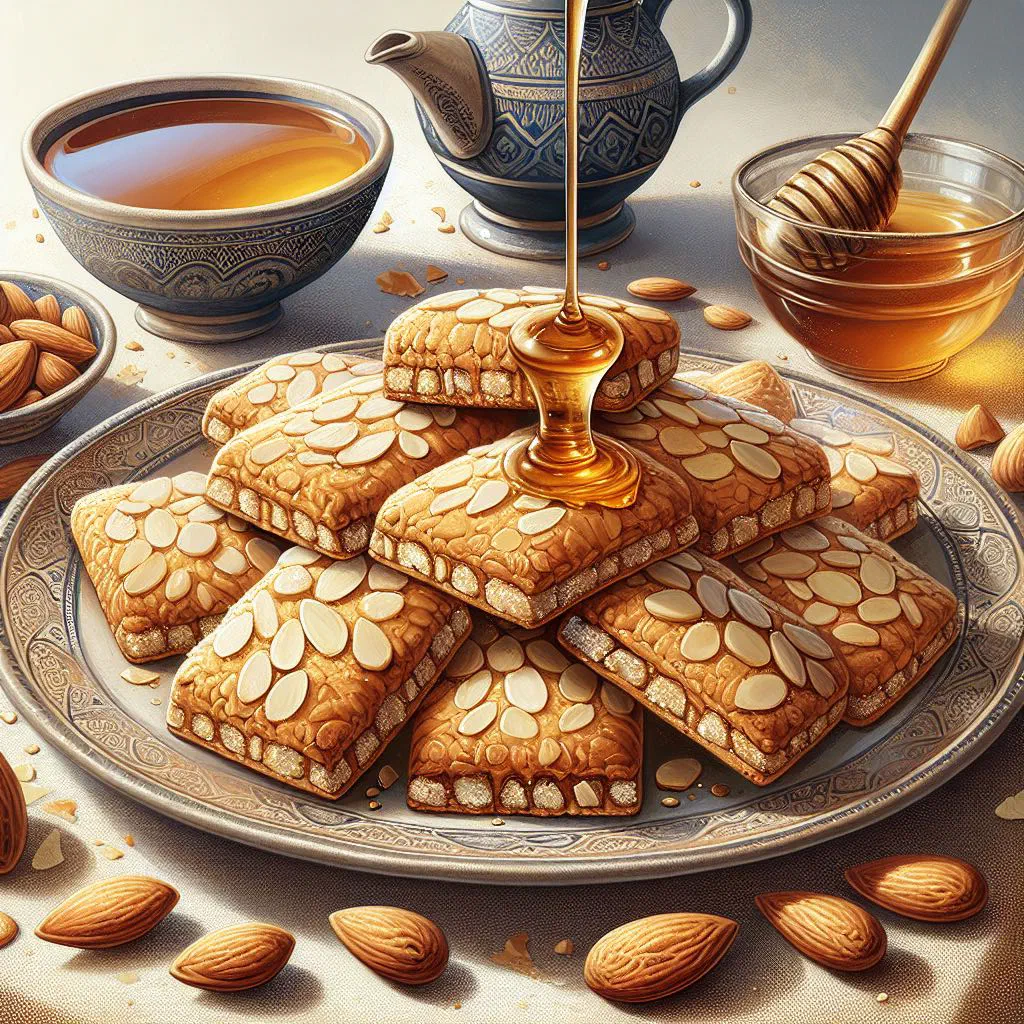
Say hello to Makroud el Louse, one of Algeria’s most treasured sweet treats. These delicate little almond-paste parcels hide a soft filling of dates or honey, gently perfumed with cinnamon. Each melt-in-the-mouth bite is a celebration of flavour and tradition, the kind of dessert that appears at family gatherings and festive tables across the country. Bring a taste of North Africa to your own kitchen with this fragrant, lovingly made classic.
About Makroud el Louse
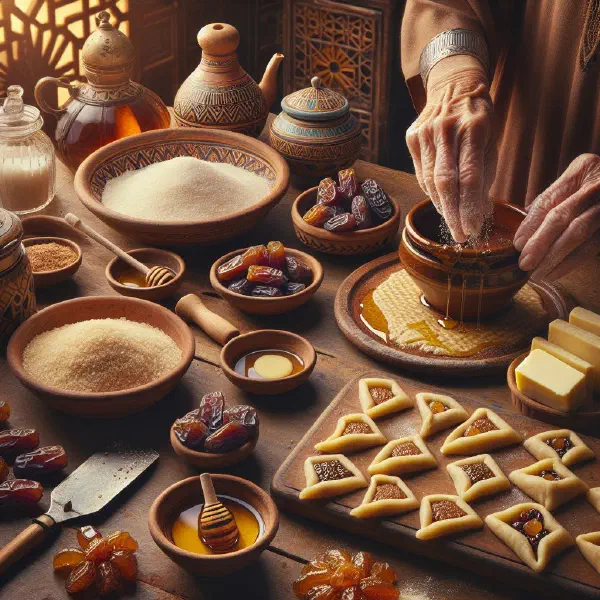
Makroud el Louse is a traditional dessert from Algeria, celebrated for its wonderful pairing of almond paste and a tender, sweet filling. These little parcels are a small piece of Algerian culture. The dessert is most often filled with dates or honey, which lends it a gentle sweetness and captures the aromas of the region. Making Makroud el Louse is an art in its own right, calling for plenty of care and affection at every step.
Ingredients (serves 1–2)
- 200 g ground almonds
- 100 g dates, stoned and puréed
- 50 g honey
- 150 g plain wheat flour
- 50 g butter, melted
- 1 teaspoon cinnamon
- Water, as needed
Shopping for the ingredients
To make sure you use the very best ingredients for your Makroud el Louse, it is worth heading to a local market or a specialist food shop. There you will find fresh dates and good-quality almonds, both essential to the filling. If you have the option, choose organic produce to bring out the aromas even more. The wheat flour should be fresh and of good quality too, as it has a real influence on how the dough behaves. Many of these ingredients are staples of Algerian cuisine.
Preparing the dish
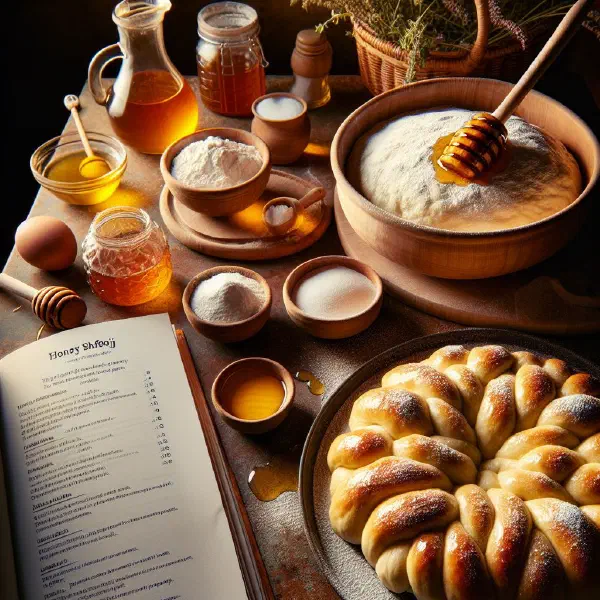
Making Makroud el Louse begins by mixing all of the dry ingredients together. Next, combine the butter with the dates and the honey to form the base of that delicious filling. It is important that the dough does not become too dry; if it feels too crumbly, you can carefully work in a little water. Let the ingredients rest for a while before you shape them, so the flavours have time to develop fully.
Step-by-step instructions
- Combine the ground almonds, wheat flour and cinnamon in a bowl.
- Add the melted butter and knead everything into a smooth dough.
- Roll the dough out until it is around 1 cm thick.
- Cut the dough into even pieces and shape small parcels.
- Fill the parcels with the date and honey mixture and seal them well.
- Bake the Makroud el Louse in a preheated oven at 180°C for about 20 minutes.
Gluten-free / lactose-free version
Makroud el Louse can just as easily be made gluten-free and lactose-free. Swap the wheat flour for a gluten-free flour suited to baking, such as almond flour or a gluten-free flour blend. In place of butter, use plant-based margarine or coconut oil. These alternatives give the dish an equally lovely texture and flavour while making it suitable for people with food intolerances.
Tips for vegans and vegetarians
For a vegan version of Makroud el Louse, replace the honey with agave syrup or maple syrup. This keeps all the sweetness while keeping the dessert entirely plant-based. If you need an egg alternative, use chia seeds or flaxseeds mixed with water to help bind everything together. These little adjustments make the dessert vegan while still preserving its traditional Algerian character.
More tips and tricks
To create the perfect Makroud el Louse, keeping an eye on the baking time is key. Check the parcels regularly to make sure they turn golden brown without drying out. If the dough cracks after rolling, it can help to rest it briefly in the fridge to improve the texture. Serve the Makroud el Louse warm and they will become a real treat for your guests.
Adapting the recipe to your taste
The recipe for Makroud el Louse can easily be tailored to introduce different flavours. Add ground nuts or raisins to the filling for extra texture and taste. Experiment with different spices such as cardamom or cloves for a more exotic note. Let your creativity run free and craft your very own version of this traditional Algerian dessert, much like the sweet almond parcels of Samsa Algerienne.
Ingredient substitutions
If some ingredients are hard to find, there are plenty of alternatives you can turn to. Instead of dates, you could use figs or dried fruit of your choice. If you cannot get hold of almonds, try pistachios or walnuts for an unexpected but delicious filling. This subtle change can noticeably shift the flavour profile of your dish while keeping it firmly rooted in the tradition of Makroud el Louse.
Drink pairing ideas
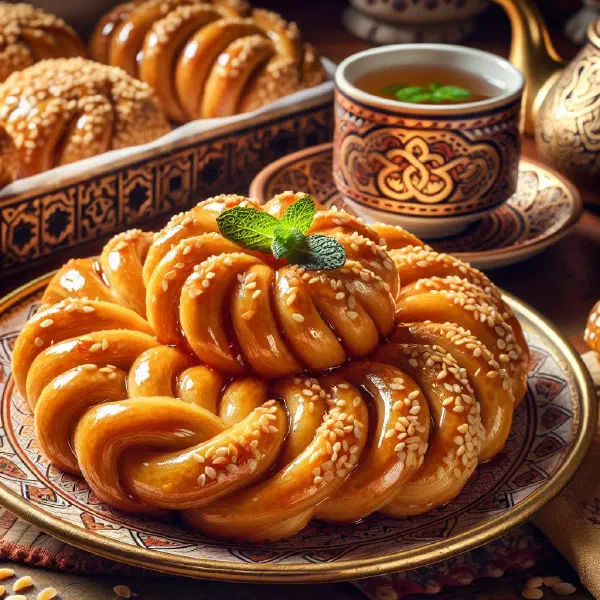
A number of drinks pair beautifully with Makroud el Louse and complement the sweet dessert perfectly. A fresh mint tea is a popular choice that brings both warmth and freshness. Alternatively, serve an Arabic coffee, whose intense roast offers a wonderful balance to the sweetness. Fruity refreshers work well too, echoing the citrus lift of a Cherbet au Citron and drawing out the flavours all over again.
Serving and presentation ideas
Presentation is an important part of enjoying Makroud el Louse. Serve the parcels on a beautiful plate, garnished with fresh mint leaves or little pieces of pistachio. A light dusting of icing sugar can add an elegant touch as well. Set out small cups for the mint tea or coffee to create a warm, welcoming atmosphere, in the same generous spirit as a serving of Baklawa Algerienne.
A bit of history
Makroud el Louse has its roots in Berber cuisine and is known for its many regional variations. These parcels were traditionally served at celebrations or during the fasting month of Ramadan, to be shared with family and friends. The dish is a pleasure for the palate and a sign of hospitality in Algerian culture. Over the years the recipe has evolved, yet it remains firmly anchored in tradition, much like the honey-soaked semolina cake Qalb el Louz.
More recipe ideas
Summary: Makroud el Louse
Makroud el Louse is more than just a dessert. It is a jewel of Algerian gastronomy that unites flavours and traditions in one bite. With a careful choice of ingredients and a loving preparation, you can enjoy this delicate speciality at home and bring a little piece of Algeria to your table. The recipe’s flexibility leaves plenty of room for creative ideas and personal preferences. Give it a try and let the cuisine of Algeria enchant you.