National Dish Algeria: Makroud (Recipe)
In this article
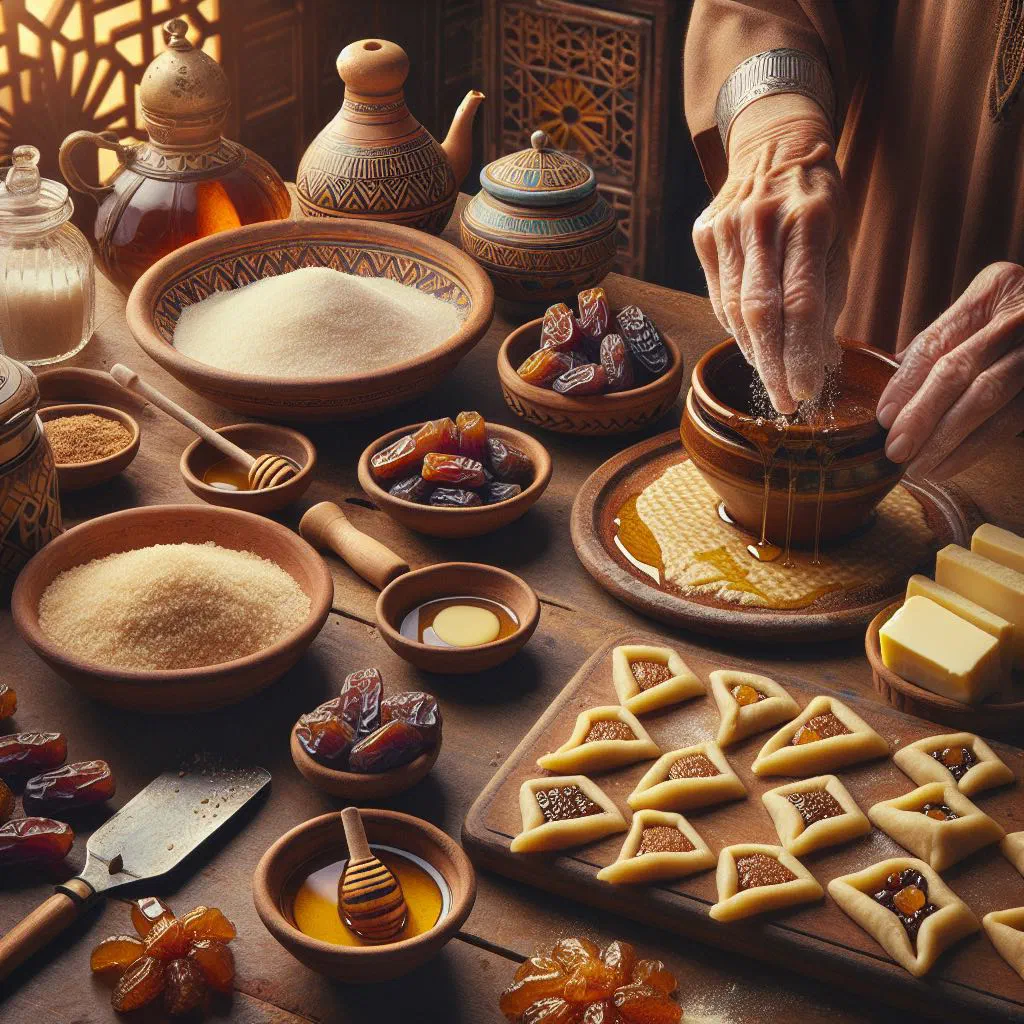
Meet Makroud, one of Algeria’s most cherished sweet treats, golden, diamond-shaped semolina pastries filled with soft dates or nuts and finished with a glossy coat of honey. More than just a snack, these little parcels carry generations of tradition and are a warm gesture of Algerian hospitality. Crisp on the outside, tender and fragrant within, they bring a taste of North African celebration straight to your kitchen.
About Makroud
Makroud is a traditional Algerian treat made from crisp semolina pastry parcels filled with dates or nuts. It is far more than a popular snack; it is a living tradition woven through Algerian family life. Each piece is often dipped in honey to give it a lovely sweet sheen, and serving Makroud brings flavour to the table and a heartfelt symbol of Algerian hospitality. Enjoyed at festive gatherings and quiet afternoons alike, it is a small bite with a big cultural story.
Ingredients (serves 1–2)
- 250 g semolina
- 100 g plain flour
- 100 ml water
- 200 g pitted dates
- 50 g ground almonds or walnuts
- 2–3 tablespoons honey
- 2 tablespoons olive oil
Shopping for the ingredients
When shopping for Makroud, it is worth paying attention to the quality of the dates. Choose fresh, and ideally unsulphured, dates so you keep their full, natural flavour. The semolina matters too: reach for fine semolina wherever you can, as it gives a more pleasant, even texture. Finally, look for fresh nuts that are rich in their natural oils, since these will always taste better than older, drier ones.
Preparing the dish
Preparing Makroud is simple, though it does call for a little patience. First, pit the dates and chill them in a bowl in the freezer, which makes them much easier to work with. Next, combine the flour and semolina in a large bowl, gradually adding the water until you have a smooth, pliable dough. Let the dough rest for about 30 minutes so it can settle before you shape it.
Step-by-step instructions
- Divide the dough into two halves and roll one half out thinly.
- Shape the filled dates into a long roll and lay it evenly along the rolled-out dough.
- Place the second half of the dough over the dates and press down firmly.
- Cut into diamond shapes and deep-fry in hot oil until golden brown.
- Once fried, dip the pieces in honey and leave them to cool.
Gluten-free / lactose-free version
Makroud can also be made in a gluten-free version by using gluten-free flour or keeping to pure semolina alternatives suited to your needs. These changes are especially helpful for anyone with a gluten intolerance. For a lactose-free result, honey and plant-based oils step in easily where dairy might otherwise appear. That way the delicious experience stays intact while still respecting dietary requirements.
Tips for vegans and vegetarians
For a vegan version of Makroud, swap the honey for maple syrup or agave nectar. These sweet alternatives offer just as much flavour and are staples of vegan baking. Take care that the nuts you use are entirely plant-based, and feel free to experiment with different varieties to tune the taste to your liking. With these small adjustments, everyone can enjoy this classic North African sweet.
More tips and tricks
To make Makroud even more flavourful, add warming spices such as cinnamon or nutmeg to the dough for a lovely aromatic lift. Be careful not to roll the dough too thinly, or the filling may burst out during frying. It also pays to keep a close eye on the oil temperature so the pastries fry evenly. This is the secret to that perfect crispness and even, golden colour.
Adapting the recipe to your taste
The Makroud recipe is easy to tailor to personal preference. In place of dates, try other dried fruits such as apricots or figs. Depending on your taste, the filling can also be scented with cinnamon, anise or cardamom. Let your creativity run free and shape the recipe exactly to your own liking, much like the endlessly adaptable Baklawa Algerienne.
Ingredient substitutions
If you have no dates to hand, dried apricots or raisins make a fine substitute. Beyond that, the semolina can be swapped for oat flour or almonds to explore new textures and flavours. Try different combinations to discover what suits you best. Adjustments like these keep the recipe especially interesting and full of variety, a spirit shared with sweets like Qalb El Louz.
Drink pairing ideas
Makroud goes wonderfully with mint tea or a cooling peppermint lemonade. These drinks balance the sweetness of the pastry perfectly and create a harmonious tasting experience. For a cooler treat in summer, iced herbal teas or simple fruit lemonades make a refreshing choice. Experiment with different pairings to find the perfect accompaniment for your Makroud.
Serving and presentation ideas
To serve Makroud in an appealing way, arrange the pieces on a beautiful serving plate. Elevate the presentation with a light honey glaze or a scattering of pistachios to make the treat even more appealing. Fresh mint leaves as a garnish add extra colour and flavour too. Let your guests enjoy the taste and the beauty of the dish.
A bit of history
Makroud has a long history within Algerian cuisine and is often prepared for festive occasions and celebrations. Originally from the Berber regions, this treat has accompanied generations of Algerian households for centuries. Traditionally served at special events such as weddings and feasts, its filling and preparation are said to vary from region to region. In this way the dish reflects culinary and cultural identity, a hallmark of the wider world of Algerian cuisine.
More recipe ideas
Summary: Makroud
Makroud is a wonderful example of the culinary richness of Algeria. With its combination of crisp pastry and sweet filling, it is a much-loved snack and a genuine sign of hospitality. Whether for special occasions or simply an afternoon treat, making Makroud brings the heart and soul of Algeria to the table. Let its many possibilities inspire you to enjoy this traditional dish in your own way.