National Dish Algeria: Mhajeb (Recipe)

In this article
Discover Mhajeb, one of Algeria’s best-loved street foods. These savoury stuffed flatbreads are made from a thin, stretchy dough folded around a fragrant filling of onions, peppers and tomatoes. Warm with cumin and paprika, they are a symbol of Algerian hospitality. Just as at home at a festive gathering as they are grabbed hot from a market stall. Bring a taste of North Africa straight to your own kitchen.
About Mhajeb
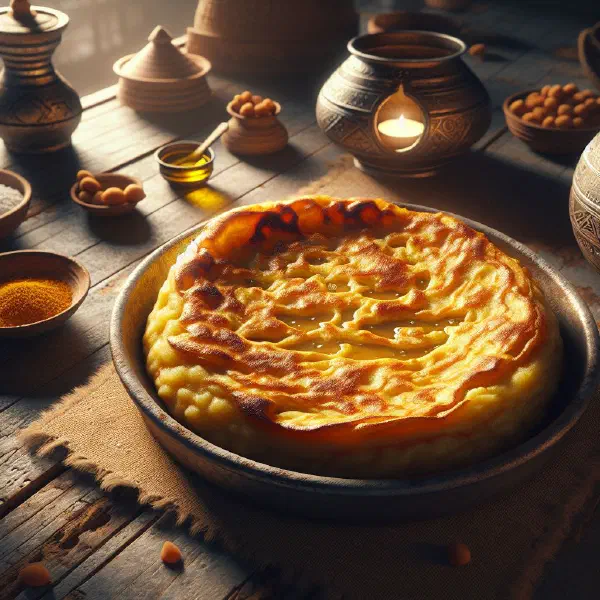
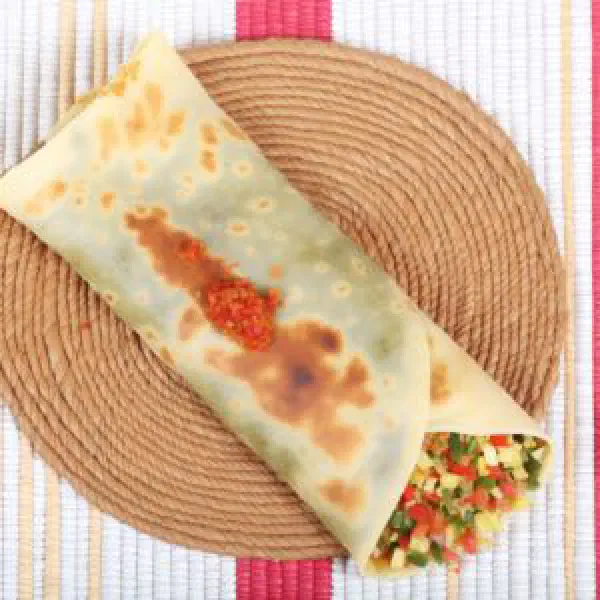
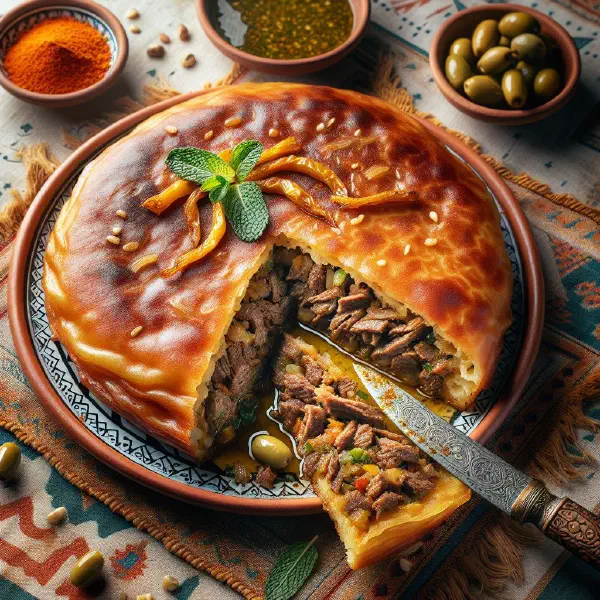
Mhajeb is a traditional Algerian dish made from thinly rolled dough wrapped around a delicious filling of vegetables and spices. These stuffed flatbreads are a popular street food and a symbol of Algerian hospitality. Mhajeb is often served at special occasions and festive get-togethers, and it is enjoyed by locals and visitors alike. The dish wins people over with its savoury flavours and the versatility of its fillings, which vary from region to region and according to personal taste.
Ingredients (serves 1–2)
- 200 g wheat flour
- 100 ml water
- 1 tsp salt
- 1 tsp olive oil
- 1 small onion, diced
- 1 pepper, diced
- 1 tomato, diced
- Spices (cumin, paprika, pepper)
- Fresh herbs (optional)
Shopping for the ingredients
To make mhajeb, it is important to choose good-quality ingredients. Visit your local supermarket or a specialist grocery to find fresh vegetables and spices. Look out for seasonal and organic produce to get the best flavour. When choosing the flour, pay attention to quality, as this affects the dough and therefore the whole dish.
Preparing the dish
Before you start making mhajeb, it is a good idea to get all the ingredients ready. Cut the vegetables into small dice and chop the fresh herbs, if you are using them. This makes for an even filling and helps the flavours blend together nicely. You should also make up the dough, combining the flour, water, salt and olive oil thoroughly and letting it rest for a few minutes until it reaches the right consistency.
Step-by-step instructions
- Knead the flour with the water, salt and olive oil into a smooth dough and leave to rest for about 30 minutes.
- While the dough rests, fry the vegetables in a pan, add the spices and mix everything together well.
- Divide the dough into small portions and roll each one out thinly.
- Place a spoonful of the fried vegetables in the middle of each dough round and fold the edges over to enclose it.
- Fry the filled mhajeb in a hot pan with a little oil until golden brown.
Gluten-free / lactose-free version
To make mhajeb gluten-free, you can use an alternative flour such as rice flour or chickpea flour in place of wheat flour. Take care that the spices and other ingredients contain no added gluten either. For a lactose-free version, simply keep the filling to fresh vegetables and plant-based oils. These alternatives preserve the unique taste of mhajeb while making the dish suitable for every dietary need.
Tips for vegans and vegetarians
Mhajeb leaves plenty of room for creative vegan and vegetarian fillings. Instead of meat, you can use a mix of different vegetables such as courgette, aubergine or even pulses to make the filling more hearty. Enrich it with spiced olive oil or vegan sauces for extra flavour. That way the dish stays appealing to the palate while remaining suitable for vegetarians and vegans alike, much like the vegetable-packed Aubergine Couscous.
More tips and tricks
For perfect mhajeb, it helps to roll the dough out thinly and evenly. Use enough flour to stop it sticking. You can also adjust the filling to your liking by adding further vegetables or even cheese (for the non-vegan versions). Take care not to overfill the flatbreads, or they may tear as you fold them.
Adapting the recipe to your taste
Mhajeb is an extremely flexible dish that adapts easily to personal preference. Experiment with different meat or vegetable fillings to discover new flavours. Add hot spices, for example, if you like it spicier, or choose milder aromas for a gentler version. These tweaks turn every bite into a fresh experience and mean mhajeb never grows dull.
Ingredient substitutions
If you do not have certain ingredients to hand, many parts of mhajeb are easy to swap out. Instead of onions, you might use shallots or leeks for a different flavour. With the spices you can experiment by bringing in your favourites or even fresh herbs. This flexibility lets you shape the dish to your own taste while keeping it exciting.
Drink pairing ideas
Mhajeb pairs wonderfully with a range of drinks. A classic Algerian mint tea is a lovely accompaniment that underlines the flavours of the dish perfectly. Alternatively, fruit juices such as pomegranate or orange juice work very well and bring a refreshing note to the table. If you prefer alcoholic drinks, a light beer or a glass of rosé wine can round out the flavour combination.
Serving and presentation ideas
An appealing presentation is key to impressing your guests. Serve mhajeb on a large platter, garnished with fresh herbs and lemon slices. Use small bowls of different dips or sauces so guests can combine various flavours. These details make the meal tastier and a real occasion.
A bit of history
Mhajeb has its roots in Algerian cooking and plays a significant role in the country’s culture. It is said that preparing and sharing mhajeb is a symbol of hospitality and community. The tradition of serving this dish at festivals and special occasions has been kept alive for generations. Mhajeb is therefore more than just a dish. It is a mark of Algerian identity and a love of good food, standing proudly alongside the classics of Algerian cuisine.
More recipe ideas
Summary: Mhajeb
Mhajeb is a tasty, versatile dish that represents Algerian cooking beautifully. It offers a delicious way to enjoy vegetables and spices and ties the cooking process to a deep-rooted tradition of hospitality. Whether as street food or at festive occasions, these stuffed flatbreads are a treat for every palate. Give this recipe a try and bring a little piece of Algeria into your own kitchen.