National Dish Algeria: Mlawi (Recipe)
In this article
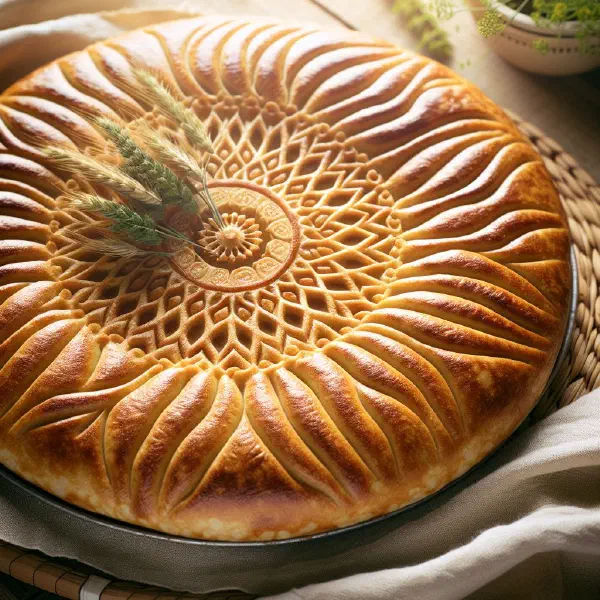
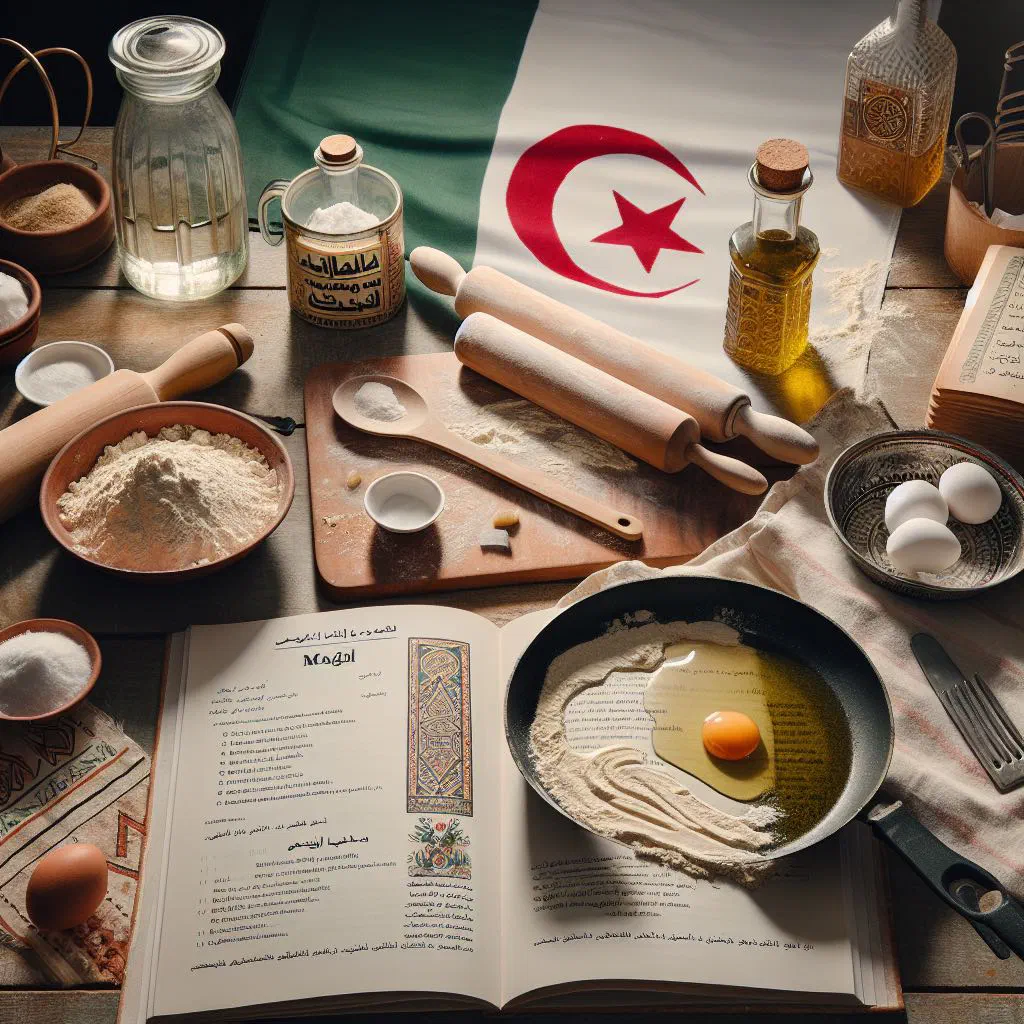
Meet Mlawi, a beloved Algerian flatbread famed for its light, pillowy crumb and gentle golden crust. Traditionally baked over a hot stone, it carries an aroma you simply cannot fake, warm, nutty and very moreish. This humble bread sits at the very heart of Algerian hospitality. Best of all, it comes together with a handful of everyday ingredients, making it perfect for any gathering.
About Mlawi
Mlawi is a much-loved Algerian flatbread prized for its airy, soft texture and its versatile place on the table. It is traditionally baked directly on a hot stone, a method that lends the bread an incomparable aroma and a lightly charred finish. More than just a side, mlawi holds deep cultural meaning in Algerian hospitality, appearing at family meals and festive occasions alike. The dough is simple to make and the ingredients are easy to find, which makes this bread an ideal choice whenever guests gather round.
Ingredients (serves 1–2)
- 250 g wheat flour
- 150 ml water
- 1 tsp salt
- 1 tsp sugar
- 5 g dried yeast
- Olive oil, for brushing
Shopping for the ingredients
For the best Mlawi, it pays to choose fresh flour and good-quality yeast, as these two ingredients are decisive for the bread’s perfect texture and flavour. Look for flour with no added extras so you achieve a pure, natural result. It is also worth reaching for an organic olive oil, which lends the bread extra fragrance and a little more goodness. Most of what you need is easy to find in a regular supermarket.
Preparing the dish
Before you start making Mlawi, set out all your ingredients so everything is within reach. Measure the quantities carefully, then combine the flour with the salt, sugar and yeast in a large bowl. The water should be lukewarm, as this encourages the yeast dough to rise properly. Once kneaded, leave the dough to rest for around 30 minutes so it can double in volume before you shape it.
Step-by-step instructions
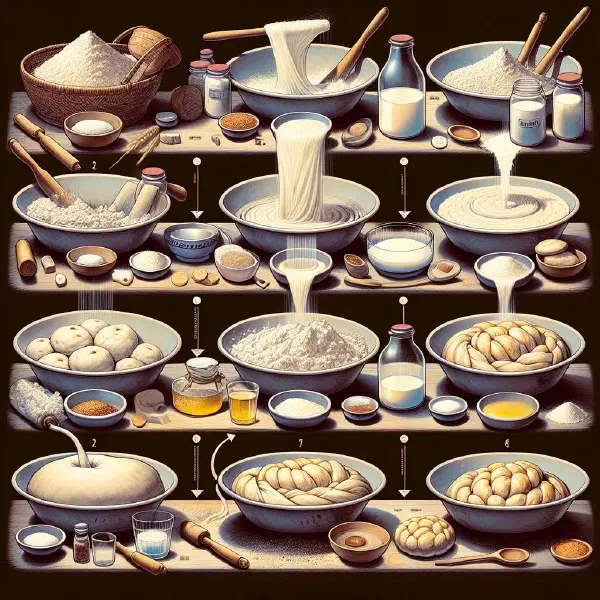
- Combine the flour with the salt, sugar and yeast in a bowl.
- Slowly add the lukewarm water and knead thoroughly until you have a smooth, supple dough.
- Leave the dough to rise for 30 minutes in a warm place.
- Divide the risen dough into small portions and shape each into a ball.
- Place the dough balls on a floured board and roll them out thinly.
- Preheat a pan or a hot stone and bake the rolled-out flatbreads until golden brown.
- Brush with a little olive oil to taste and serve warm.
Gluten-free / lactose-free version
For a gluten-free version of Mlawi, use a gluten-free flour, widely available in health-food shops and organic stores. A simple blend of rice flour and potato starch can also serve as a base. Since this recipe contains no dairy, it is already suited to a lactose-free diet. Just double-check that every ingredient you use is genuinely lactose-free to avoid any intolerances. Much like Baghrir, it adapts easily to different dietary needs.
Tips for vegans and vegetarians
Mlawi is naturally vegan, as it contains no animal products such as eggs or milk. Take care to avoid animal-derived ingredients when choosing your oils and spices too. For a very good flavour note, you can scent the bread with a variety of herbs before baking. Paired with a fresh salad, it makes a perfect meat-free option that no one at the table will be able to resist.
More tips and tricks
A few tricks help you achieve the perfect texture in Mlawi: knead the dough properly and, on occasion, fold it several times. This encourages air bubbles that puff up beautifully during baking. Be sure to let the dough rest in a warm place for the best results. Experiment with different types of flour, as well, to give the bread a distinctive character of its own.
Adapting the recipe to your taste
The recipe for Mlawi is easy to vary to suit your personal preferences. Add herbs such as rosemary or thyme, for instance, to deepen the flavour. Swapping wholemeal flour for white flour can offer a healthier option, though remember to adjust the amount of liquid accordingly, as wholemeal flour absorbs more water. Small tweaks like these let you make the bread entirely your own.
Ingredient substitutions
If you would rather not use wheat flour, alternatives such as oat flour or rice flour are well worth trying. When it comes to the yeast, you could reach for fresh yeast, which often delivers an even better result. In some cases, replacing the water with stock or milk shifts and enriches the flavour. Test different combinations to discover your own perfect recipe, the same spirit of experimentation that shines in a batch of Msemen.
Drink pairing ideas
A range of drinks pairs wonderfully with Mlawi. A fresh mint tea is the traditional choice and harmonises beautifully with the bread. A simple lemonade or a fruity smoothie can also underline the bread’s flavours nicely. For a more indulgent match, an Algerian wine rounds things off elegantly and complements the aromas well.
Serving and presentation ideas
To present Mlawi attractively, arrange the flatbreads on a large wooden board and decorate with fresh herbs. Serve them alongside a selection of dips and spreads such as hummus or olive paste. A colourful arrangement of vegetables and salad on the side adds extra colour and aroma. This inviting presentation is sure to impress your guests, especially when served with a bowl of Zaalouk or a warming Chakhchoukha.
A bit of history
Mlawi has a long tradition in North African cooking, and in Algeria in particular. It is often served at festive occasions and shared meals, where it is a symbol of hospitality. The craft of bread-making holds a high place in Algerian culture, and mlawi is a fine example of that artisanal skill, a cornerstone of Algerian cuisine. Countless families keep their own secret recipes, handed down from one generation to the next.
More recipe ideas
Summary: Mlawi
Mlawi is a delicious Algerian flatbread that is simple to prepare and pairs superbly with countless dishes. With its airy texture and traditional baking method, it is a bread full of flavour and cultural meaning. It leaves plenty of room for adjustments and variations, so everyone can add their own personal touch. Through this interplay of tradition and modern taste, mlawi remains a much-loved companion in Algerian homes around the world.