National Dish Algeria: Rougag (Recipe)
In this article
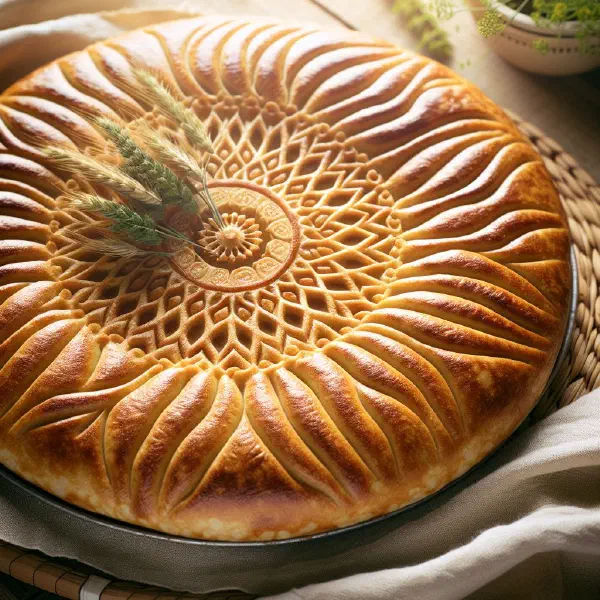
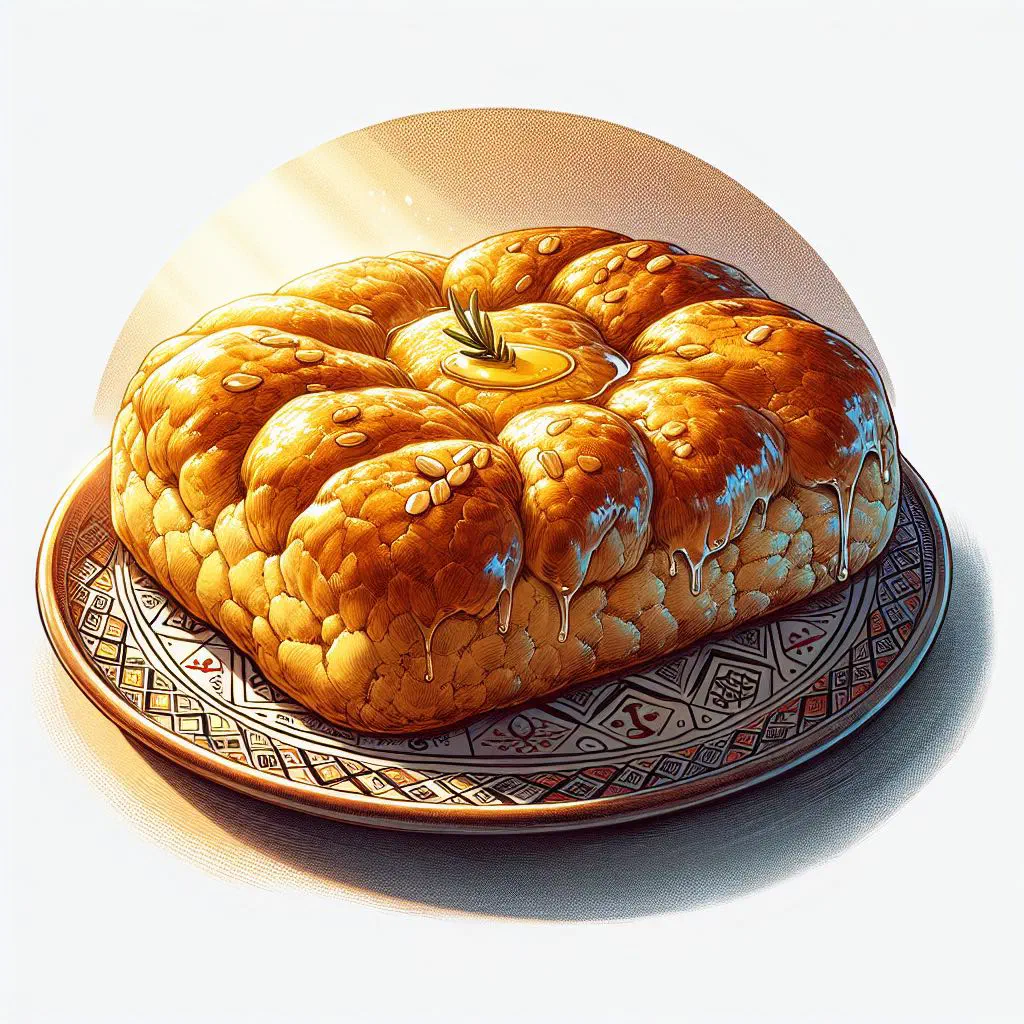
Say hello to Rougag, a wonderfully simple flatbread that turns up on tables right across Algeria and the wider Maghreb. Made from just a handful of honest ingredients, these thin, golden rounds are cooked until lightly blistered and served warm alongside hearty stews or drizzled with a little olive oil. Easy to master and endlessly adaptable, rougag is comfort food at its most unpretentious, bring a taste of North Africa straight to your own kitchen.
About Rougag
Rougag is a traditional Algerian flatbread that is loved not only in Algeria but across many countries of the Maghreb. This simple, flavourful dish is often served with meat dishes, stews or simply with a little olive oil. Thanks to its wholesome ingredients, it offers more than a wonderful texture but a distinctive taste all of its own. Rougag is a perfect example of the versatility of Algerian cuisine, sitting comfortably next to other beloved breads such as Kesra and Khobz.
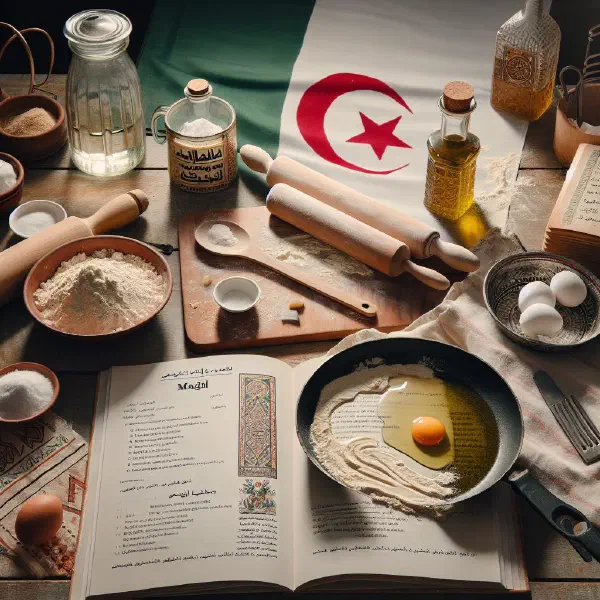
Ingredients (serves 1–2)
- 250 g wheat flour or gluten-free flour
- 1 teaspoon salt
- 200 ml water (or lactose-free milk)
- 2 tablespoons olive oil
Shopping for the ingredients
When shopping for the ingredients, it is worth choosing the freshest produce you can find. Good-quality wheat flour gives the dough its best consistency, while oil and salt round out the flavour. Organic and health-food shops often carry a wider range of gluten-free flours if you need them. Don’t forget to look for quality in the liquid ingredients too, as this helps you achieve the very best taste.
Preparing the dish
Preparing rougag is quick and straightforward. Start by getting all of your ingredients ready so the process runs smoothly. It helps to combine all the dry ingredients first before adding the liquids. This ensures everything is evenly distributed and keeps the dough free of lumps.
Step-by-step instructions
- In a bowl, thoroughly combine the flour and salt.
- Add the water and the olive oil and knead the dough well.
- Leave the dough to rest for about 30 minutes so it becomes more elastic.
- Divide the dough into small portions and roll each one out into a thin round.
- Heat a pan and cook the flatbreads one at a time until golden brown on both sides.
Gluten-free / lactose-free version
For a gluten-free version of rougag, use a blend of rice flour, cornflour and tapioca starch in place of the wheat flour. This combination gives a similar consistency and taste. To make the recipe lactose-free, simply swap any dairy liquid for coconut milk or another plant-based milk alternative. These small changes make rougag suitable for a whole range of dietary needs without losing its character.
Tips for vegans and vegetarians
Rougag is naturally vegan, provided you don’t add any animal products. Just make sure every ingredient you use is plant-based. When choosing fillings, reach for vegetables, pulses or plant-based spreads to round out the dish. You can also use the bread as a base for various vegan spreads, pairing it with seasonal vegetables or vegan dips for a light and satisfying meal.
More tips and tricks
A few tips and tricks can help you make your rougag even better. Try working different spices such as cumin or paprika into the dough for extra flavour. Adding herbs like parsley or coriander can lift the aroma too. Letting the dough rest a little longer will improve the texture and give you an even better result, much like the patience that pays off when making Baghrir.
Adapting the recipe to your taste
The recipe for rougag is wonderfully adaptable. You can change the consistency of the dough as you like by adding a little more water or flour. If you fancy something savoury, fold in some chopped olives or sun-dried tomatoes. For a sweeter version, work in a little honey or sugar, turning rougag into a unique dessert bread that suits any occasion.
Ingredient substitutions
If you don’t have every ingredient to hand, there are plenty of handy alternatives. Wheat flour, for example, can be replaced with spelt flour for a nuttier note. Instead of olive oil you might use sunflower oil or coconut oil, each of which lends the bread its own flavour.
Drink pairing ideas
Rougag pairs beautifully with a range of drinks. A classic Algerian tea or fresh mint tea offers a refreshing combination that complements the flavours of the bread perfectly. Warm water with lemon is another good choice to aid digestion. For finger food or snacks, a light red wine works nicely, bringing out the savoury notes to their full advantage.
Serving and presentation ideas
Presentation can be key to making rougag look every bit as appealing as it tastes. Serve the flatbreads on a rustic wooden board to create an authentic atmosphere. You might also garnish the bread with freshly chopped herbs for a lovely splash of colour. Pairing it with brightly coloured vegetables or dips can further boost the visual appeal of the dish.
A bit of history
Rougag carries a long historical significance in Algerian cooking. It is often seen as a symbol of hospitality and community, since it is happily served at celebrations and special occasions. Originally prepared by nomadic peoples, the recipe has evolved across generations. The variety of preparations and the use of regional ingredients make rougag a truly distinctive part of Algerian culture and its rich Algerian cuisine.
More recipe ideas
Summary: Rougag
Rougag is a delicious and versatile Algerian flatbread that can be made with simple, wholesome ingredients. Its many possibilities and easy preparation make it a firm favourite in countless households. Let these ideas and tips inspire you and bring the taste of Algeria into your own kitchen. Enjoy rougag and discover the rich culinary tradition it represents.