National Dish Angola: Bolo de Laranja (Recipe)

In this article
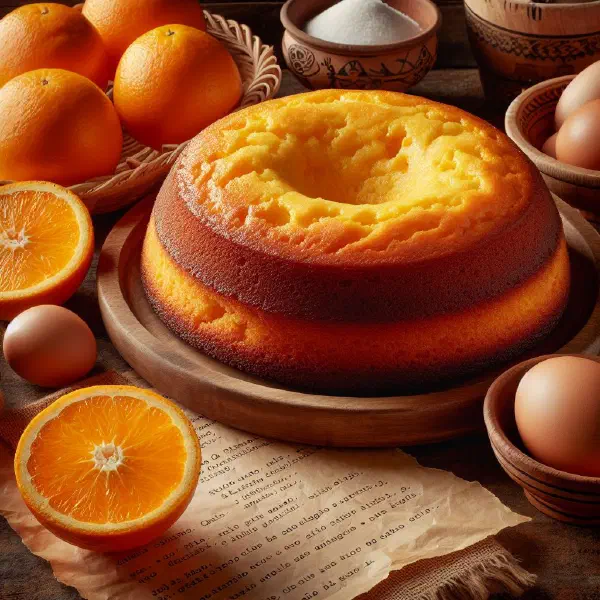
Meet Bolo de Laranja, Angola’s sunny orange cake and one of the most cheerful bakes you will ever pull out of the oven. Golden, feather-light and fragrant with fresh orange zest, it manages to be both an everyday treat and a proper celebration cake. The recipe needs nothing exotic. Just good oranges, a few store-cupboard staples and half an hour of patience. Bring a slice of Angolan warmth to your own kitchen table.
About Bolo de Laranja
Bolo de Laranja is a traditional national dish of Angola, instantly recognisable by its glowing colour and its refreshing, citrus-bright flavour. This orange cake is a feast for the senses and, at the same time, a deeply rooted piece of Angolan culture. Every mouthful carries the freshness of ripe oranges, balanced against a soft, fluffy crumb. Whether it marks a special occasion or simply is a sweet afternoon snack, Bolo de Laranja brings joy and comfort into any household.
Ingredients (serves 1–2)
- 2 large oranges
- 200 g sugar
- 150 g plain flour
- 3 eggs
- 1/2 sachet baking powder
- 50 ml oil
- A pinch of salt
Shopping for the ingredients
Before you start on your Bolo de Laranja, plan a proper trip to the market or supermarket. Choose oranges that are fresh and heavy with juice, as they are the heart of this recipe. Together with good-quality sugar, fresh eggs and fine flour, they will give you a wonderfully aromatic cake. It is also worth checking the use-by dates, particularly on the eggs and the oil, since both have a direct effect on the finished bake.
Preparing the dish
Getting Bolo de Laranja right depends on careful preparation. Wash the oranges thoroughly first, then squeeze the juice and grate the zest. This is what gives the cake its intense citrus perfume. While you are at it, grease your cake tin and preheat the oven to 180 °C so that the baking itself runs smoothly. These small steps make all the difference to the final result.
Step-by-step instructions
- Put the juice and grated zest of the oranges into a mixing bowl.
- Add the sugar and eggs and beat well until the mixture turns pale and foamy.
- Fold in the flour, baking powder and salt and combine thoroughly.
- Stir in the oil until you have a smooth, even batter.
- Pour the batter into the prepared cake tin.
- Bake in the preheated oven for about 30–35 minutes.
- Let the cake cool before serving.
Gluten-free / lactose-free version
A gluten-free and lactose-free Bolo de Laranja is entirely achievable: simply use a gluten-free flour blend or ground almonds in place of the plain flour. Instead of conventional eggs, binders such as flaxseed or chia seeds work well and hold the batter together nicely. Do check the consistency once you have added the alternative ingredients and loosen the mixture with a splash of liquid if it seems stiff. Handled this way, the cake stays moist and full of flavour.
Tips for vegans and vegetarians
Bolo de Laranja adapts easily for vegans. In place of eggs, plant-based alternatives such as apple sauce or mashed banana do an excellent job, giving good structure while adding a gentle sweetness of their own. It is also worth checking that your sugar is vegan, as some producers still use animal-derived products during refining. The same principle applies to sweet Angolan classics like Cocada Amarela, where the base ingredients are naturally plant-friendly.
More tips and tricks
To give your Bolo de Laranja a little extra character, try adding warm spices such as cinnamon or nutmeg. They lend the cake a more complex flavour and make it that bit more interesting. Keep an eye on the baking time, too, since every oven behaves differently. The old skewer test is the surest way to check the cake is baked through without drying it out.
Adapting the recipe to your taste
Depending on how sweet you like your cakes, you can adjust the sugar to suit. If you prefer something less sweet, reduce it by around 20 per cent without affecting the texture. You can also work other citrus fruits into the recipe, limes or lemons both create a different, sharper flavour profile.
Ingredient substitutions
If you would rather not use oil, apple sauce or yoghurt both give a beautifully moist crumb. These alternatives are lighter on calories and bring an interesting flavour note of their own. Keep an eye on the consistency of the mixture, as this has a real bearing on the finished cake. Plenty of ingredients can be swapped for whatever is already in the cupboard, which keeps the recipe flexible and personal, much as it does with a homely Doce de Banana.
Drink pairing ideas
For the full Bolo de Laranja experience, reach for fruity cocktails or a refreshing iced tea. Lemonade or a classic black tea both pair particularly well. Despite the cake’s sweetness, the drinks themselves should not be too sugary, so the citrus aromas can shine through in their own right. Experiment a little to find your own combination, a fresh Sumo de Ginguba makes a surprisingly good, nutty counterpoint.
Serving and presentation ideas
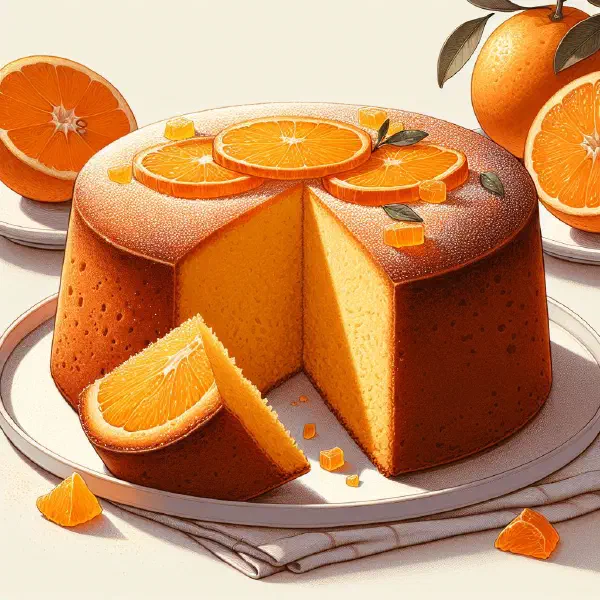
How you present your Bolo de Laranja can noticeably improve the whole experience. Serve the cake on an attractive plate and garnish it with fresh orange slices or a light dusting of icing sugar. A few mint leaves add a lovely splash of contrasting colour. Remember that the look of a dish builds anticipation, an inviting presentation always makes people want a second slice.
A bit of history
Bolo de Laranja has its roots in Angolan culture and is often served at special occasions. The recipe has been handed down from one generation to the next and reflects the variety of Angolan cuisine. Oranges are a symbol of joy and fertility, which is why they turn up so frequently in celebrations. That blend of tradition and modern pleasure is exactly what makes this cake so treasured.
More recipe ideas
Summary: Bolo de Laranja
In short, Bolo de Laranja is a thoroughly lovable dessert that gathers up the flavours and traditions of Angola in a single slice. The tender, aromatic cake is straightforward to make and offers no end of scope for adaptation. It will win over both heart and palate. Give it a go and bring a piece of Angolan culture to your own table.