National Dish Angola: Chikuanga (Recipe)
In this article
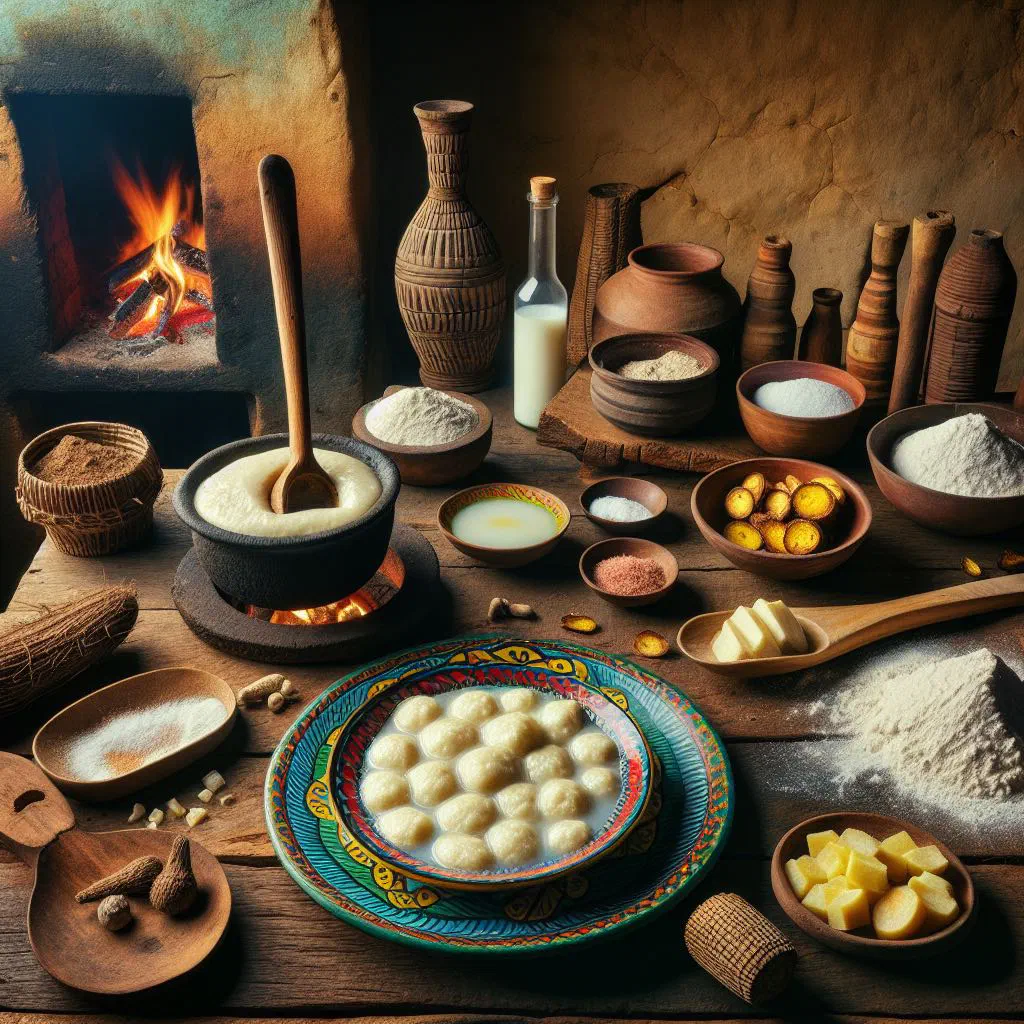
Meet Chikuanga, the dense, gently sweet cassava bread that has fed Angolan families for generations. Made from little more than cassava flour, water and a pinch of salt, it is proof that the simplest recipes are often the most satisfying. Firm enough to slice, mild enough to soak up any sauce you set beside it, chikuanga turns a handful of pantry staples into something worth gathering around. Bring a taste of West Central Africa to your own table with this warm, unfussy classic.
About Chikuanga
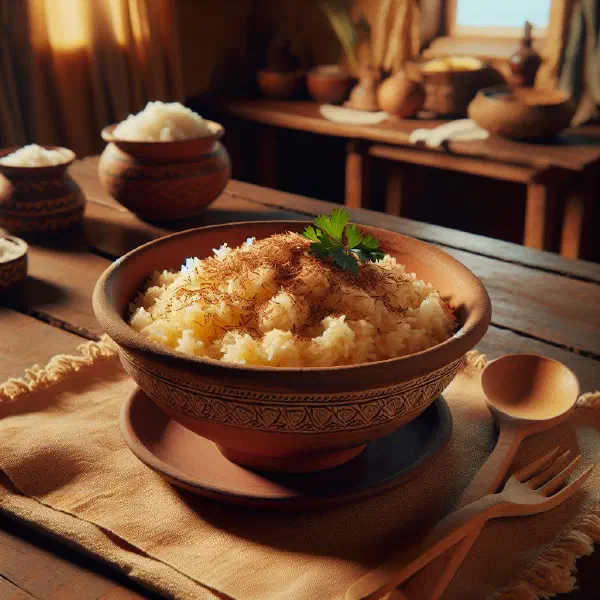
Chikuanga is a traditional Angolan dish built almost entirely around cassava flour. It carries real cultural weight in Angola, where it appears at celebrations and family festivities alike. The texture is dense and the flavour faintly sweet, which makes it a natural partner for a wide range of dishes. Serve chikuanga with whatever sides you fancy and let yourself sink into the rich flavours of Angola.
Ingredients (serves 1–2)
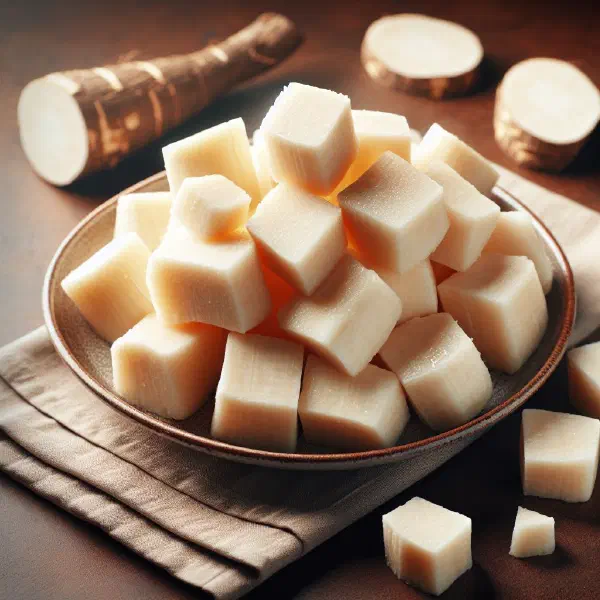
- 250 g cassava flour
- 500 ml water
- 1 teaspoon salt
- Optional: 1 teaspoon sugar for a sweeter version
- Side dishes of your choice (fish, vegetables or meat)
Shopping for the ingredients
Authentic chikuanga starts with the right shopping. Cassava flour is stocked by most African and Asian grocers, and it is worth checking that the flour is fresh and well sealed. That alone makes a noticeable difference to the final result. For your sides, fresh or frozen ingredients both work well, and switching them up is the easiest way to keep the flavours interesting from one meal to the next.
Preparing the dish
Weigh out the cassava flour and tip it into a large bowl. Bring the water to the boil in a pan and stir in the salt, plus the sugar if you prefer a sweeter version. Have everything within reach before you start, because once the flour goes in you will want both hands free for stirring.
Step-by-step instructions
- Bring the salted water to the boil in a pan.
- Add the cassava flour gradually to the boiling water, stirring constantly until the mixture is smooth.
- Keep stirring and let it cook for 10–15 minutes, until thick and free of lumps.
- Transfer the mixture to a mould or dish and leave it to cool.
- Cut the chikuanga into pieces and serve.
Gluten-free / lactose-free version
Chikuanga is naturally gluten-free, since it is made purely from cassava flour. That makes it a safe and welcome option for anyone living with coeliac disease. It contains no lactose either, so it suits lactose-intolerant guests just as well. Simply check that any sides you serve alongside it are free of both, and the whole meal stays worry-free, much like a plate of Boiled Cassava.
Tips for vegans and vegetarians
For vegans and vegetarians, chikuanga is an easy win: every ingredient in it is plant-based. Pair it with grilled vegetables, a plant protein or vegetables in a rich sauce for a nourishing meal. Play around with different spices and herbs to shift the flavour, and don’t be shy with heat, a fiery chilli sauce such as Gindungo is a superb match.
More tips and tricks
The secret to perfect chikuanga is patience during the mixing. Add the cassava flour slowly and stir it in thoroughly to stop lumps forming. Let the chikuanga cool properly before you cut it, or the slices will lose their shape. A scattering of fresh herbs at the end lifts the flavour without complicating the dish.
Adapting the recipe to your taste
Chikuanga takes well to personal tweaks. Stir in spices or herbs to draw out different flavours, or fold through finely chopped chilli for a spicier result. The sweetness is entirely yours to decide: increase or reduce the sugar until it tastes right to you.
Ingredient substitutions
If cassava flour is hard to come by, lentil flour or rice-based blends can stand in. The texture will be different, but the result can be every bit as tasty. It is worth experimenting with a few flours to find the one you like best. Just bear in mind that cooking times will vary from one to the next.
Drink pairing ideas
Chikuanga sits happily beside all sorts of drinks. For an authentic pairing, try an African fruit juice or a glass of palm wine. Hibiscus tea is another popular choice, cooling and fragrant at once. You’ll find it in the local Cha De Hibisco. Non-alcoholic cocktails built on tropical fruit round off a sociable meal beautifully.
Serving and presentation ideas
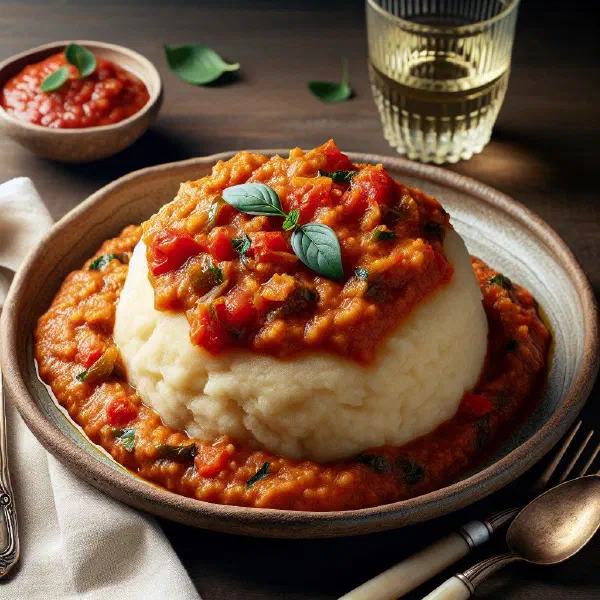
Presentation can lift the whole chikuanga experience. Serve it on a wide, shallow platter and arrange the colourful sides around the outside. A few sprigs of fresh herbs as a garnish sharpen up the look, while clear bowls or wooden boards give the dish a rustic charm that suits it perfectly.
A bit of history
Chikuanga is more than a dish; it is part of the Angolan identity. Its roots lie in traditional farming, where cassava served as one of the most important staple crops. Families across Angola have developed their own versions over generations, passing them down as carefully as any heirloom. In time the dish has become a symbol of community and hospitality, and one of the cornerstones of Angolan cuisine.
More recipe ideas
Summary: Chikuanga
Chikuanga is an essential part of the Angolan kitchen, nourishing, uncomplicated and a genuine journey through the flavours of Angola. It is simple to make, and because the sides are entirely up to you, it slots effortlessly into any gathering. Vegan, vegetarian or served the traditional way with fish, chikuanga wins people over with its quiet versatility. Dive into Angola’s food culture and enjoy this warm-hearted national dish.