National Dish Angola: Feijão de Óleo de Palma (Recipe)
In this article
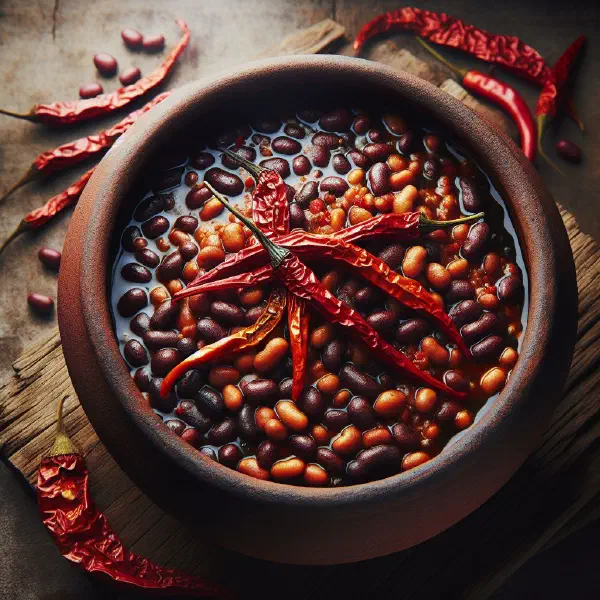
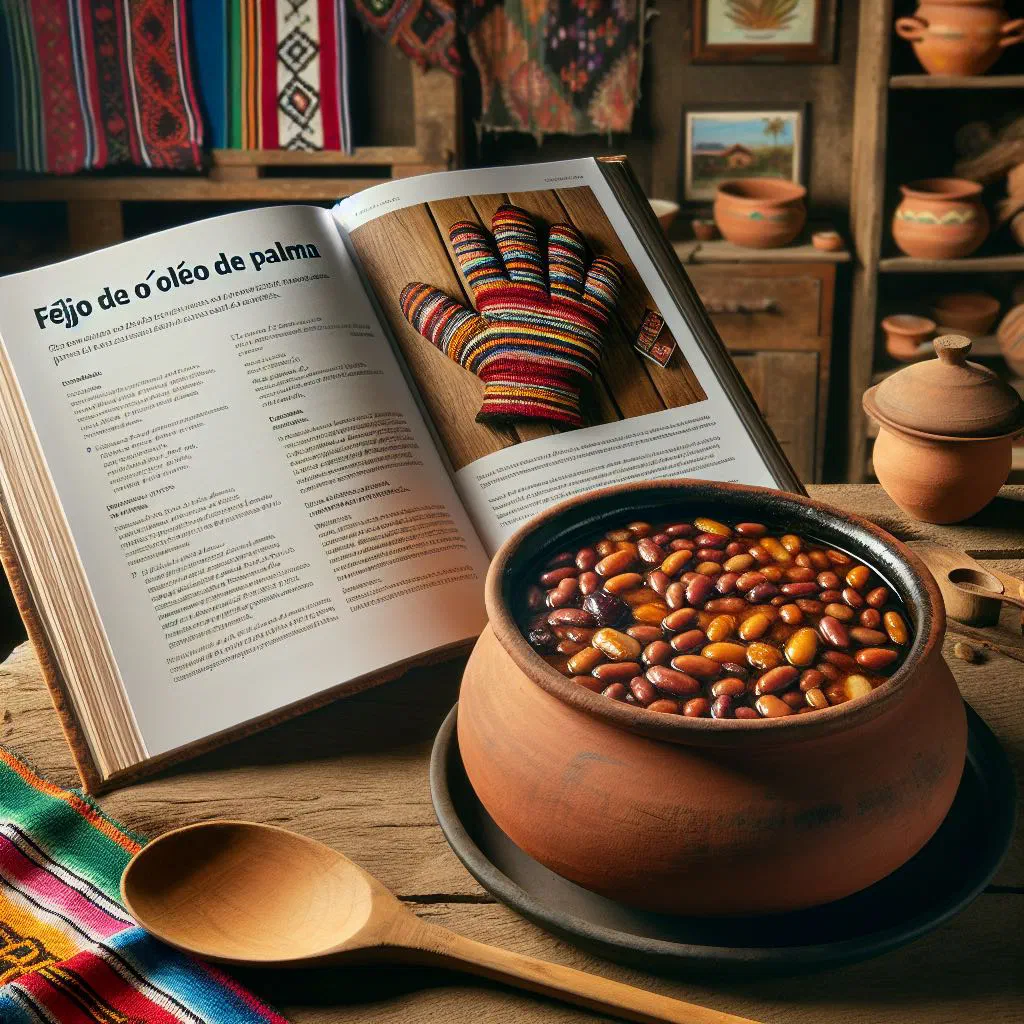
Discover Feijão de Óleo de Palma, a wonderfully warming bean dish that sits right at the heart of Angolan home cooking. Soft black beans are simmered until tender, then folded through glowing red palm oil with onion, garlic and paprika until every spoonful tastes deep and earthy. It is simple, thrifty food that still feels celebratory, the kind of dish that appears at family gatherings and festive tables across the country.
About Feijão de Óleo de Palma
Angolan cuisine is known for its variety and its bold, unmistakable flavours, and Feijão de Óleo de Palma shows this off beautifully. This traditional bean dish grew out of Angola’s everyday culinary practices and is often served on festive occasions. It captures the essence of local ingredients and relies on the palm oil so typical of the region to create its distinctive aroma. In this dish the mellow flavour of the beans meets hearty, warming spices, giving a rich and deeply comforting result.
Ingredients (serves 1–2)
- 200 g black beans
- 2–3 tablespoons palm oil
- 1 onion, diced
- 2–3 garlic cloves, chopped
- 1 teaspoon paprika
- Salt and pepper to taste
- Water, as needed
Shopping for the ingredients
When shopping, take care to choose good-quality black beans. They are the backbone of the dish and rich in protein and fibre. Palm oil is stocked by most larger supermarkets, though it is worth looking for an organic-certified brand to be sure of both purity and flavour. The spices should be fresh and fragrant too, as they do much of the work in building the taste of the finished dish.
Preparing the dish
Before you start cooking Feijão de Óleo de Palma, the beans need a little attention. If you are using dried beans, they must be soaked in water, ideally overnight. This shortens the cooking time and improves the texture and flavour of the dish. Fresh ingredients such as onions and garlic should be prepared in advance as well, since they play a central role in the recipe.
Step-by-step instructions
- Drain the soaked beans, tip them into a pan, cover with water and bring to the boil.
- Reduce the heat and let the beans simmer for about 30–40 minutes, until soft.
- Heat the palm oil in a frying pan and sauté the diced onion and the garlic until golden brown.
- Add the cooked beans to the pan, sprinkle in the paprika and stir well to combine.
- Season with salt and pepper, adding a little water if needed to reach the consistency you want.
- Let everything simmer for a few more minutes so the flavours can mingle.
Gluten-free / lactose-free version
One of the great advantages of Feijão de Óleo de Palma is that it is naturally gluten-free and lactose-free. While cooking, simply check that any spices or blends you use are also certified gluten-free. That makes the dish ideal for anyone with food intolerances or particular dietary needs, so everyone at the table can enjoy its delicious aromas and its nourishing quality.
Tips for vegans and vegetarians
This recipe is already suitable for vegans and vegetarians, but there are still ways to make the most of it. Add extra vegetables or plant-based proteins, for instance, to increase the nutritional value. A pinch of chilli brings in an additional layer of flavour and a gentle heat that suits the earthiness of the palm oil especially well.
More tips and tricks
To bring out the full flavour profile of Feijão de Óleo de Palma, cook the beans slowly over low heat. This gives them time to absorb the aromas of the spices properly. Experiment with different seasoning combinations to add a personal touch, and consider fresh herbs such as coriander, which lift the dish with a bright, fresh note against the rich oil.
Adapting the recipe to your taste
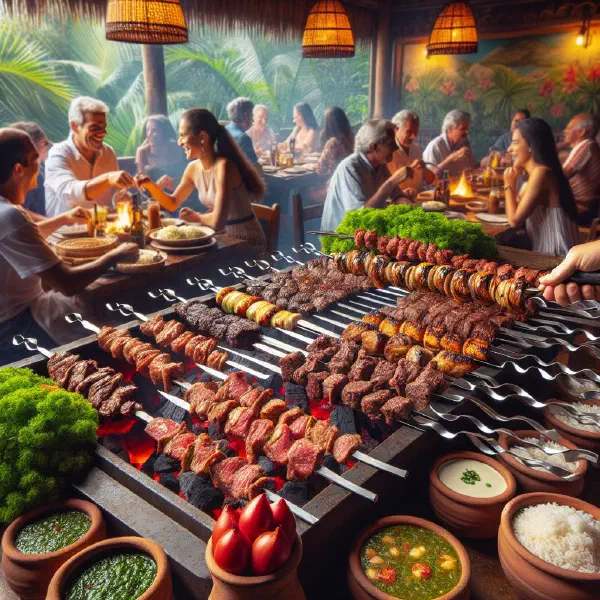
Another appealing quality of this dish is how easily it can be tailored to personal preference. Add seasonal vegetables that you particularly like, or adjust the spices to suit your palate. Smoked paprika is a lovely way to introduce a subtle smokiness, echoing the grilled flavours of dishes such as Churrasco.
Ingredient substitutions
If you have no black beans to hand, white beans or red beans work just as well. They offer a similar texture and combine happily with palm oil, the same pairing that gives Feijão com Jindungo its character. Instead of palm oil you can use another vegetable oil such as olive oil, although the flavour will be noticeably different. Substitutions like these are a fine excuse to experiment until you find your favourite version.
Drink pairing ideas
Several drinks pair nicely with this bean dish and complement its aromas. A fruity red wine or a lightly chilled white wine works well against the hearty flavours. Local Angolan beers are another option and add to the sense of tradition. For an alcohol-free choice, fresh fruit shakes or homemade lemonades are equally recommended.
Serving and presentation ideas
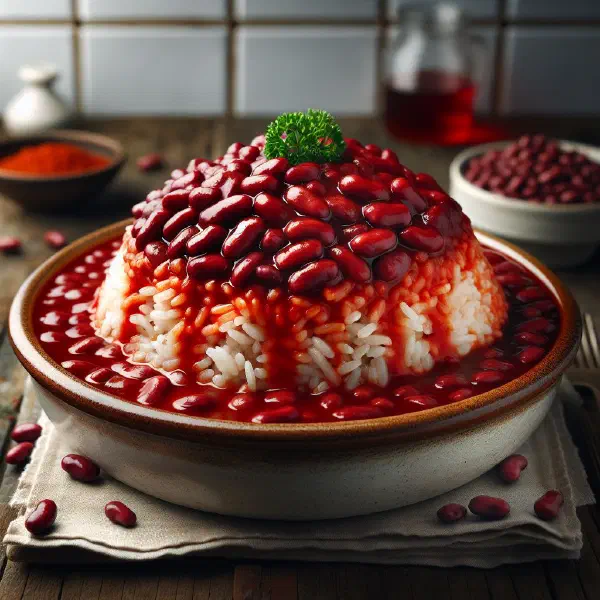
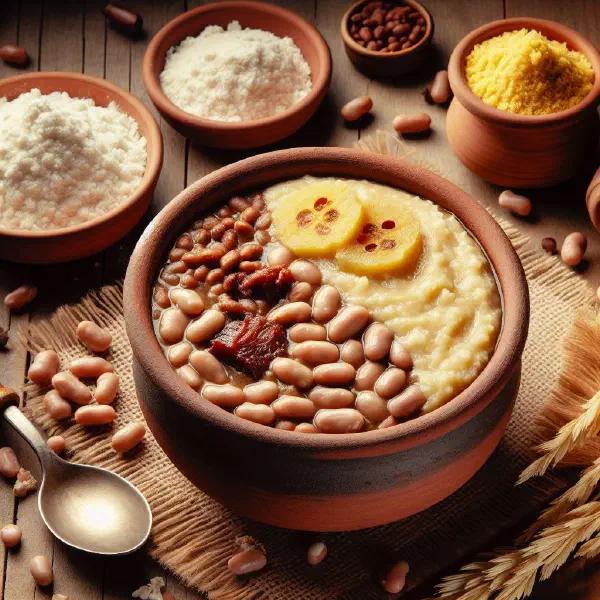
To present Feijão de Óleo de Palma attractively, serve the beans in a large bowl and garnish with fresh herbs. Colourful plates or dishes help to highlight the deep red-brown tones of the food. Side dishes such as rice or grilled vegetables round out the picture nicely, and a portion of Funge de Bombo makes a wonderfully traditional accompaniment. Your guests will be won over by the presentation as much as by the taste.
A bit of history
Feijão de Óleo de Palma has its roots in Angolan cuisine, which has been shaped strongly by the country’s many ethnic groups. The combination of beans and palm oil has been used for centuries and reflects a long-standing appreciation for local ingredients. Palm oil is more than a cooking medium here; it plays an important role in the culture and daily life of Angolans. This dish is therefore a taste experience and a journey into the history and traditions of the country.
More recipe ideas
Summary: Feijão de Óleo de Palma
In short, Feijão de Óleo de Palma is a delicious and nourishing dish that reflects the culinary diversity of Angola beautifully. With simple ingredients and a straightforward method, it brings a piece of African tradition into your kitchen. It is an excellent choice that never fails to please. Let it inspire you and enjoy the flavours of Angola with this wonderful dish.