National Dish Angola: Funge de Milho (Recipe)
In this article
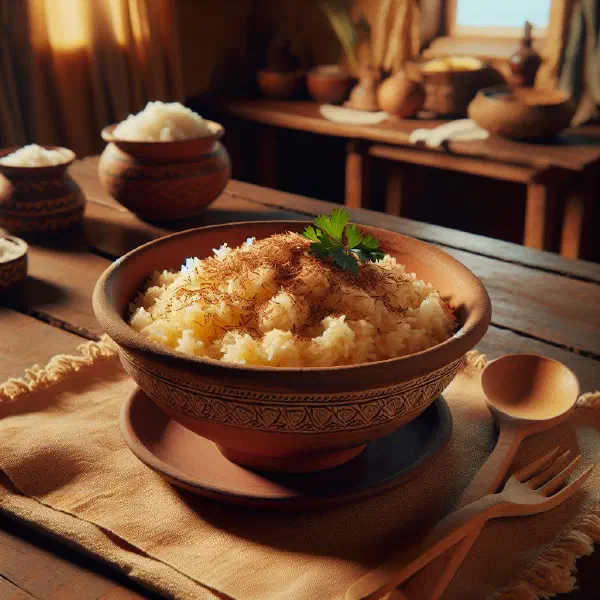
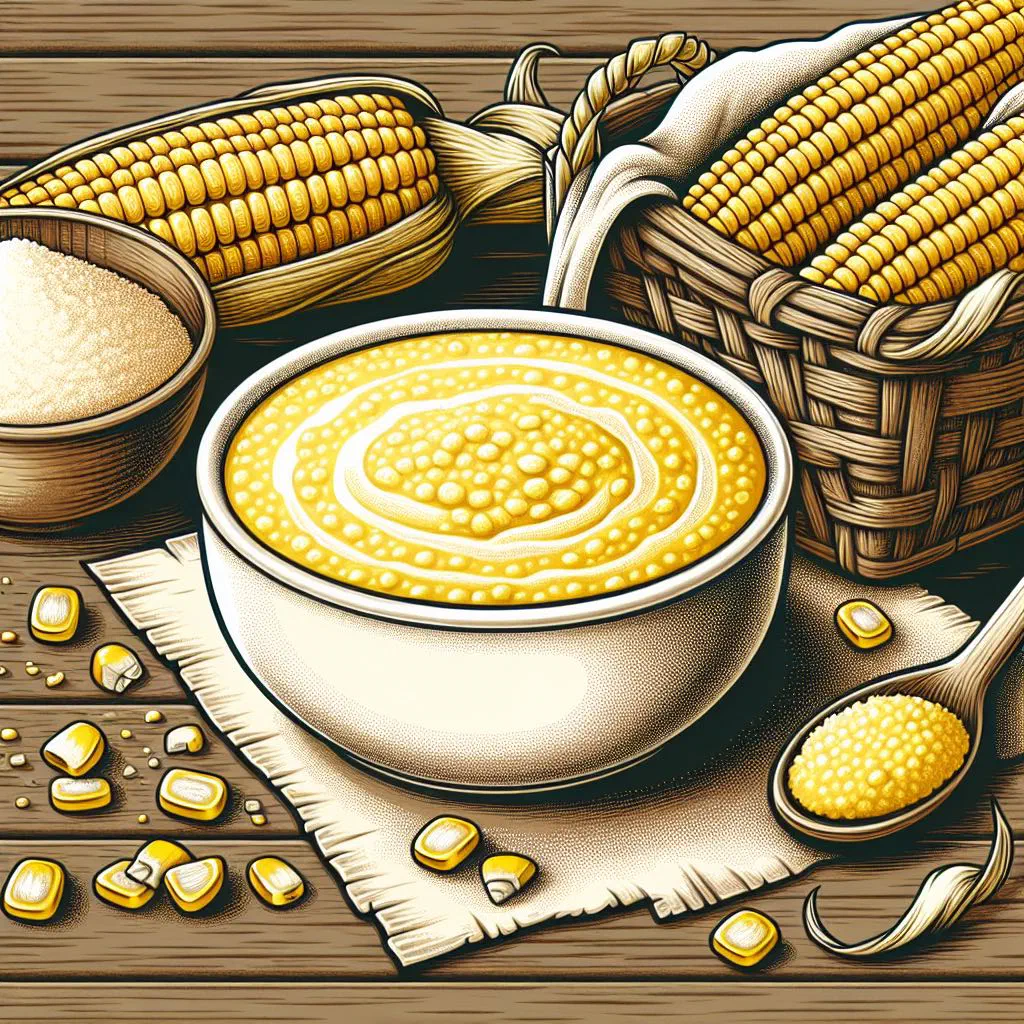
Meet Funge de Milho, the soft, steaming maize porridge that sits at the very heart of the Angolan table. Made from nothing more than maize meal, water and a pinch of salt, it turns a handful of humble ingredients into a comforting side dish with a texture much like polenta. Angolans ladle it alongside rich stews and grilled fish, letting it soak up every last drop of sauce. Simple, filling and endlessly adaptable, it is the perfect place to begin your Angolan cooking.
About Funge de Milho
Funge de Milho is a traditional Angolan dish prepared from maize meal and water. It has a consistency close to polenta and is most often served as an accompaniment to stews and saucy main courses, much like a spoonful of Molho de Tomate com Funge suggests. The preparation is straightforward, yet the flavour possibilities are surprisingly broad. It is popular for its nutritional density and its staying power, which makes it a staple food in countless households.
Ingredients (serves 1–2)
- 200 g maize meal
- 500 ml water
- 1 teaspoon salt
- 2 tablespoons oil (olive or palm oil)
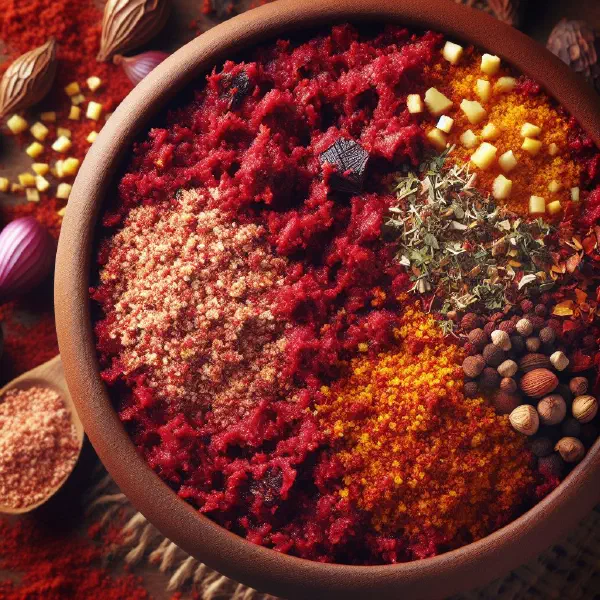
- Optional: spices of your choice (paprika, pepper)
Shopping for the ingredients
When shopping for funge de milho, take care to choose a good-quality maize meal, as it shapes the flavour of the finished dish considerably. Many supermarkets now stock international products, so the meal should not be hard to track down. Fresh spices and good oils matter too if you want the best possible result. Regional and African markets can also be an excellent source of authentic ingredients.
Preparing the dish
To prepare Funge de Milho, it helps to have everything laid out before you start. Measure the water and the maize meal, and make sure you have a suitable hob and a sturdy pan to hand. If you plan to add extra spices, now is the moment to pick them out. Good preparation is what keeps the cooking process running smoothly, because once the meal goes in you will be stirring constantly.
Step-by-step instructions
- Bring the water to the boil in a pan and add the salt.
- Reduce the heat and add the maize meal slowly, stirring continuously.
- Keep cooking the mixture until it reaches a smooth, thick consistency.
- Add the oil and stir it through well, then let the funge simmer for a few minutes.
- Judge the consistency you want: for a firmer funge, simply cook it a little longer.
Gluten-free / lactose-free version
Funge de Milho is naturally gluten-free, since it is made purely from maize meal. That makes it suitable for anyone living with coeliac disease or a gluten intolerance. It also contains no dairy at all, which makes it a lactose-free option straight out of the pan. Just check that the spices and oils you use are likewise free from gluten and lactose.
Tips for vegans and vegetarians
For vegans and vegetarians, Funge de Milho is an excellent source of nourishment. The base of the dish is entirely plant-based and delivers plenty of nutrients. If you add spices or sides, make sure these are vegan too. Creative accompaniments such as fried vegetables or pulses turn it into a complete meat-free meal, a leafy dish like Matapa is a natural partner.
More tips and tricks
The key to perfect funge lies in stirring thoroughly as the maize meal goes in. This prevents lumps from forming and gives you a pleasantly creamy consistency. Experiment with different oils and spices to tune the flavour to your own taste. You can also shape the funge in moulds or press it into rounds to improve the presentation.
Adapting the recipe to your taste
Funge de Milho adapts easily to different palates. Add fresh herbs, for example, to give the dish a distinctive note. The choice of side dishes can vary just as much, stew, meat or vegetables all sit happily beside it, and a hearty Muamba de Galinha is a classic pairing. Be inventive and play with the ingredients until it suits you.
Ingredient substitutions
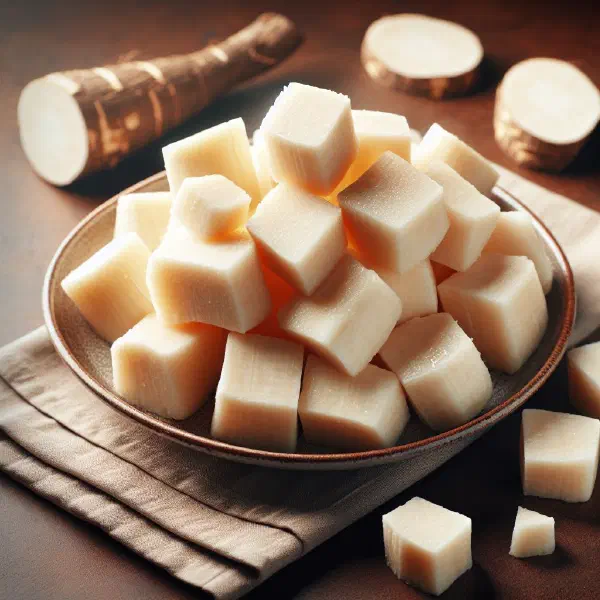
If you have no maize meal to hand, other flours will work, though they change the traditional character of Funge de Milho. Polenta or even rice flour are possible alternatives, and cassava flour gives you the closely related Funge de Bombo. Do adjust the amount of liquid accordingly, since different flours absorb water at very different rates. Let your imagination run and find the mix that best suits your palate.
Drink pairing ideas
Several drinks complement Funge de Milho beautifully. Traditionally it is served with local drinks such as palm wine or certain fruit juices. Light wines or freshly pressed juices make excellent companions as well. Choose something that supports the flavour of the dish without overpowering it.
Serving and presentation ideas
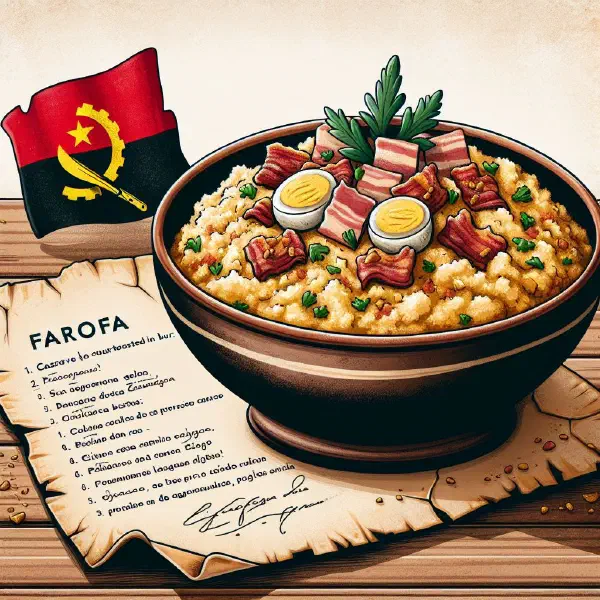
Presentation can lift the whole experience of eating Funge de Milho. Serve the funge in attractive bowls and garnish it with fresh herbs or colourful vegetables. Adding sides in contrasting colours, a spoonful of Farofa de Dendê, for instance, brightens the plate considerably. Let your creativity loose and set the table with care.
A bit of history
Funge de Milho has a long tradition in Angola and is a symbol of the country’s plain but delicious food culture. Originally prepared by the region’s indigenous peoples, it now enjoys growing international recognition. The dish reflects the variety of Angolan agriculture and is built entirely from locally produced ingredients, which is why it remains such a cornerstone of Angolan cuisine. Historically it also embodies the bond between community and tradition, as it is regularly served at festive gatherings.
More recipe ideas
Summary: Funge de Milho
In short, Funge de Milho is a simple yet thoroughly tasty Angolan dish that stands out for its versatility. It suits a huge range of tastes and dietary needs, and it can be adapted creatively in almost any direction. With its history and cultural weight, it is far more than just something to eat. It is part of Angola’s identity. Do not hesitate to bring this comforting dish into your own kitchen and enjoy the flavours of Angola.