National Dish Angola: Gafanhotos de Palmeira (Recipe)
In this article
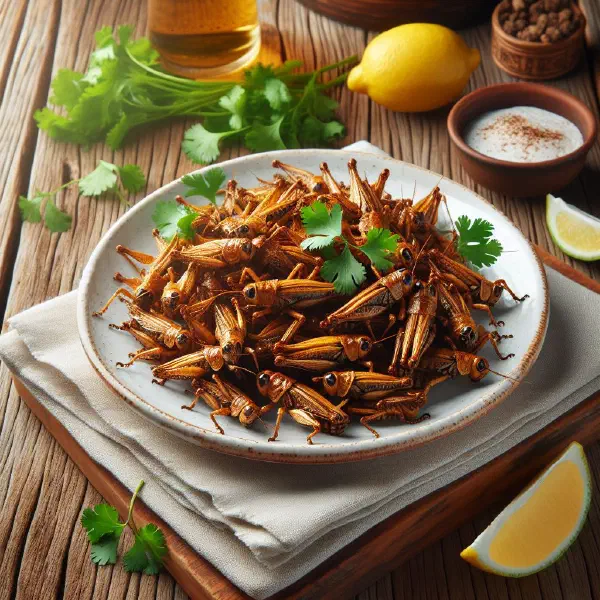
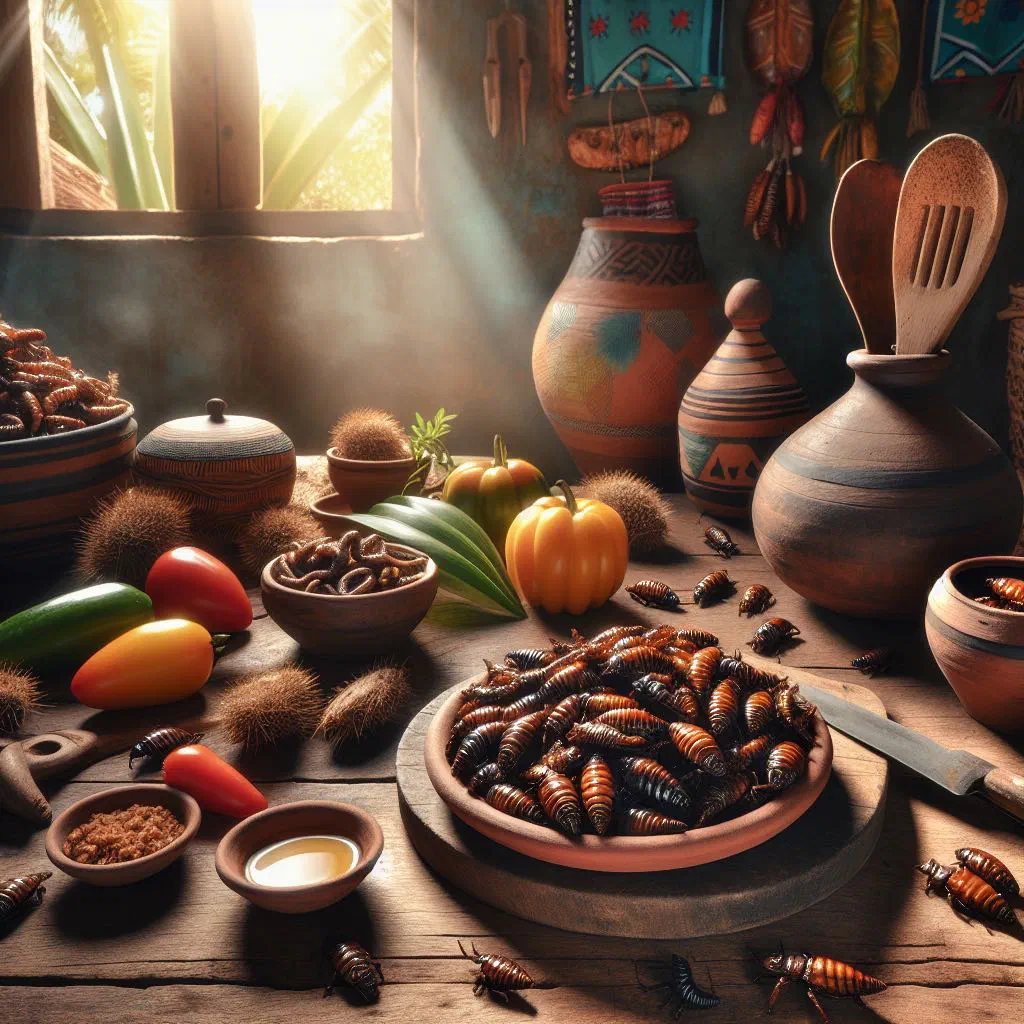
Discover Gafanhotos de Palmeira, one of Angola’s boldest and most fascinating specialities. These crisply roasted palm grasshoppers are seasoned with olive oil, paprika and dried herbs, then baked until golden and shatteringly crunchy. Rich in protein and rooted in centuries of West African tradition, they make a memorable snack for anyone with an adventurous palate. Bring a genuine taste of Angola to your own kitchen.
About Gafanhotos de Palmeira
Gafanhotos de Palmeira are roasted palm grasshoppers, regarded in Angola as a genuine delicacy. The dish is far more than a curiosity: it carries real cultural weight and is a symbol of the country’s culinary diversity. The preparation relies on wholesome ingredients that are exceptionally rich in protein and packed with valuable nutrients. If you are looking for a truly unique culinary experience, Gafanhotos de Palmeira should be at the top of your list.
Ingredients (serves 1–2)
- 200 g palm grasshoppers (fresh or dried)
- 2 tablespoons olive oil
- 1 teaspoon salt
- 1 teaspoon paprika powder
- 1 teaspoon dried herbs (thyme or oregano, for example)
Shopping for the ingredients
The ingredients for Gafanhotos de Palmeira are available from specialist African or Asian grocers. If you live in a larger city, tracking down fresh palm grasshoppers should not be difficult. Where fresh ones are unavailable, dried alternatives work just as well and are far easier to store. Pay close attention to quality when buying, as this makes all the difference to the finished flavour.
Preparing the dish
Before you start cooking Gafanhotos de Palmeira, make sure everything is laid out and ready. Clean the grasshoppers thoroughly, especially if you have bought them fresh. Take your time inspecting them to confirm they are fresh and of good quality. Careful preparation at this stage is decisive for the rest of the cooking process and for the end result, much as it is with a slow-simmered Calulu de Carne.
Step-by-step instructions
- Preheat the oven to 180 degrees Celsius.
- In a bowl, toss the palm grasshoppers with the olive oil, salt, paprika powder and dried herbs.
- Spread the grasshoppers out evenly across a baking tray.
- Roast for around 15–20 minutes, until crisp and golden brown, turning them once halfway through.
- Serve the Gafanhotos de Palmeira warm, ideally with a dip or a fresh salad.
Gluten-free / lactose-free version
Gafanhotos de Palmeira are naturally gluten-free and lactose-free, which makes them an excellent choice for anyone with those intolerances. When cooking, simply make sure no gluten-containing ingredients creep in along the way. Pay particular attention to your spices and check that they too are certified gluten-free.
Tips for vegans and vegetarians
Although Gafanhotos de Palmeira are traditionally made with insects, several alternative ingredients let you create a vegan or vegetarian version. Nut-based or plant-based products are the usual stand-ins, preserving the high-protein character of the original. Think roasted chickpeas or spiced lentils as the main component. These options are nutritious and bring a real depth of flavour that enriches the dish.
More tips and tricks
To intensify the aroma of Gafanhotos de Palmeira, experiment with different spices and herbs. A blend of garlic and onion powder, for instance, adds an intriguing savoury note. A squeeze of fresh lemon at the very end brings welcome brightness. Be creative and adjust the seasoning to suit your own preferences, the same playful approach that works so well with Gindungo.
Adapting the recipe to your taste
The recipe for Gafanhotos de Palmeira is remarkably easy to adapt. Feel free to reach for different spices or to vary the quantities to match your palate. If you like heat, add a pinch of cayenne pepper or fresh chilli. Your own personal touch can make the dish even more interesting and distinctive.
Ingredient substitutions
If you cannot find palm grasshoppers, other protein sources such as crisply fried edamame or sunflower seeds make good substitutes. They offer a similar texture along with plenty of nutrients. Beyond that, switching to different oils, coconut or avocado oil, for example, introduces new flavour notes and health benefits. Play with the ingredients to create your own version of the dish.
Drink pairing ideas
Refreshing drinks suit Gafanhotos de Palmeira best: a lemon and mint iced tea or a fruity caipirinha both work beautifully. These complement the dish’s pronounced seasoning and add a pleasant lift. A cold lager is another excellent choice for a relaxed evening. Experiment with different pairings to find the combination you like most.
Serving and presentation ideas
For an appealing presentation, serve Gafanhotos de Palmeira on a rustic wooden board or in an attractive bowl. Add a scattering of fresh herbs or a few lemon slices as a garnish to lift the look of the plate. A well-chosen side, a crisp salad, a dipping sauce, or a portion of Funge de Milho, makes the spread both more inviting and more varied. A thoughtful presentation engages all the senses before the first bite.
A bit of history
Gafanhotos de Palmeira have their origins in the traditionally rich and colourful Angolan cuisine. Across many African cultures, insects play a significant role in the diet as a genuinely sustainable protein source. Gafanhotos have been enjoyed in various preparations for centuries, and the recent wave of international interest has helped them find an audience far beyond Angola. Cooking this dish is therefore a culinary adventure and a small step towards more sustainable eating.
More recipe ideas
Summary: Gafanhotos de Palmeira
Gafanhotos de Palmeira are far more than a dish; they are an adventure for the palate and a window onto the cultural diversity of Angola. With a handful of simple ingredients and a straightforward method, you can put together a protein-rich, deeply flavourful plate that will impress you and your guests alike. Better still, the recipe adapts so readily that everyone can enjoy it, whatever their preferences or dietary requirements. Let Angolan cooking inspire you and give Gafanhotos de Palmeira a try.