National Dish Angola: Molho de Ginguba (Recipe)
In this article
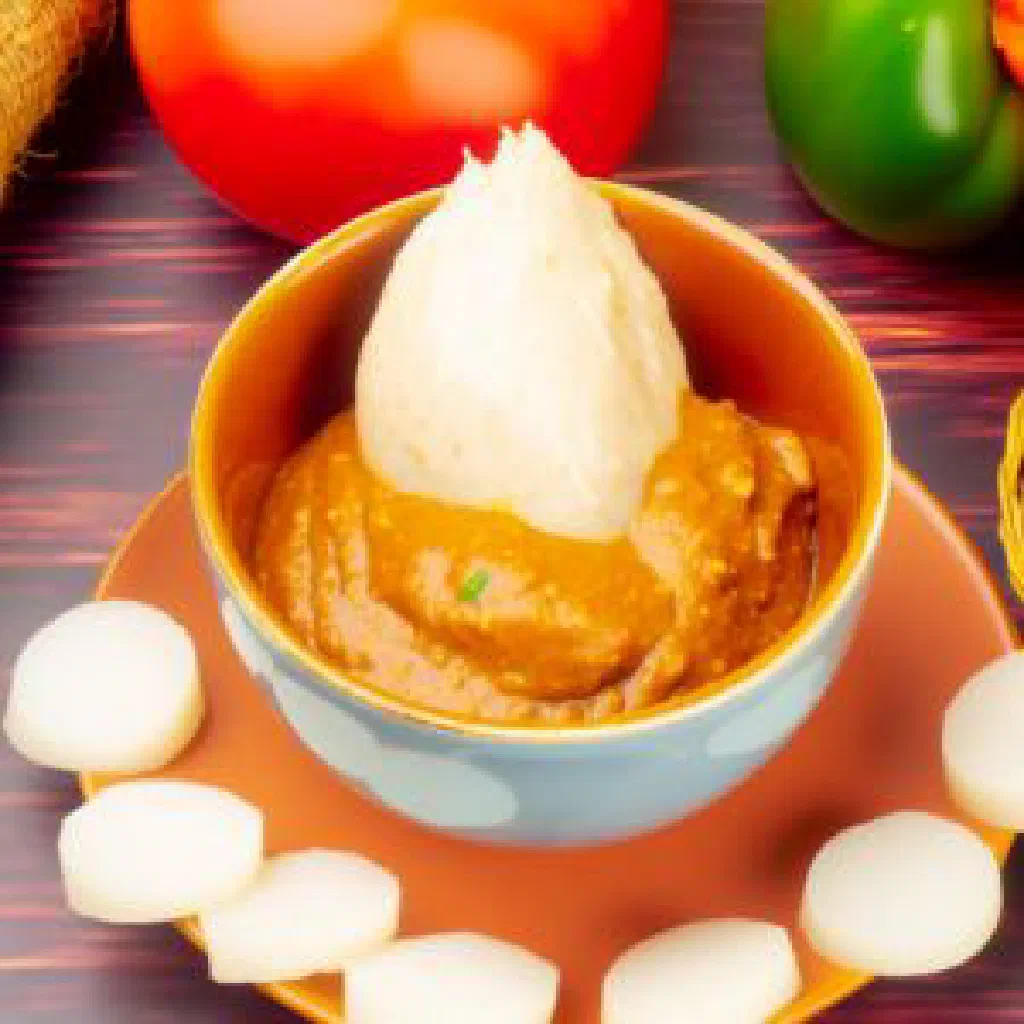
Meet Molho de Ginguba, the golden peanut sauce that turns an everyday plate of rice into something memorable. Roasted groundnuts are ground to a paste and simmered with tomatoes, onion and garlic until the whole thing is glossy, nutty and gently sweet. It takes barely twenty minutes and a handful of store-cupboard ingredients, yet it carries the warmth and generosity that define cooking in Angola.
About Molho de Ginguba
Molho de Ginguba is a traditional Angolan peanut sauce, loved in home kitchens for its rich flavour and its refreshingly simple preparation. It is served alongside all sorts of dishes, rice, fish or grilled meat among them. What makes it special is the interplay between roasted peanuts, which give the sauce its unmistakable depth, and fresh tomatoes and onions, which keep it lively rather than heavy. With so few ingredients required, it suits weeknight suppers and celebration tables alike.
Ingredients (serves 1–2)
- 100 g roasted peanuts
- 2 ripe tomatoes
- 1 onion
- 1 garlic clove
- 1 tablespoon vegetable oil
- Water, as needed
- Salt and pepper, to taste
Shopping for the ingredients
The ingredients for Molho de Ginguba are available in most supermarkets and local markets. Take care to choose good-quality roasted peanuts, as they carry the flavour of the entire sauce. Fresh tomatoes and onions matter just as much for a full, rounded aroma. Buy everything as fresh as you can. It is the surest route to the best possible result.
Preparing the dish
Before you start cooking Molho de Ginguba, get all the ingredients properly prepared. If you are working with raw nuts, roast the peanuts first to bring out their full flavour. Chop the onion and garlic clove finely and cut the tomatoes into small pieces. This bit of groundwork keeps the cooking smooth and helps the sauce cook evenly from start to finish.
Step-by-step instructions
- Grind the roasted peanuts to a paste in a food processor or with a pestle and mortar.
- Heat the vegetable oil in a pan and fry the finely chopped onion and garlic until golden brown.
- Add the diced tomatoes and stir well. Let everything simmer for a few minutes until the tomatoes soften.
- Stir in the peanut paste and combine thoroughly with the tomato and onion mixture. Add a little water to reach the consistency you want.
- Season with salt and pepper and simmer for a few more minutes until the flavours have come together.
Gluten-free / lactose-free version
Happily, Molho de Ginguba is naturally gluten-free and lactose-free, as it contains neither dairy nor any gluten-bearing ingredient. If you want to be completely certain, check the labels on shop-bought peanut products, where additives occasionally creep in. The sauce fits comfortably into a wide range of diets and slots easily into a balanced way of eating.
Tips for vegans and vegetarians
For vegans and vegetarians, Molho de Ginguba is an excellent choice. There are no animal products in it at all, and it is remarkably versatile. In place of fish or meat, serve it with roasted vegetables or tofu, the same approach that works so well in Molho de Quiabos. The result tastes every bit as good and makes for a nourishing, wholesome meal.
More tips and tricks
A few small tricks will help you perfect your Molho de Ginguba. Toast the peanuts lightly before grinding to intensify their flavour. Experiment with spices such as cumin or paprika to give the sauce a personal signature. And stir it often as it simmers, so the aromas distribute evenly and the peanut paste never catches on the base of the pan.
Adapting the recipe to your taste
Molho de Ginguba is flexible and easily tuned to personal preference. If you like heat, add fresh chilli or a pinch of chilli powder, the fiery note that also defines Piri Piri Chicken. For a creamier, thicker sauce, simply use more peanuts. There is plenty of room to improvise here, so adjust the recipe until it tastes exactly right to you.
Ingredient substitutions
If you need alternatives for Molho de Ginguba, other nut butters step in well when peanuts are hard to find. Cashew or almond butter both make good stand-ins. Instead of fresh tomatoes you can use tomato purée or passata for a smoother, silkier sauce. Whichever route you take, taste as you go and adjust the consistency and seasoning accordingly.
Drink pairing ideas
Plenty of drinks suit Molho de Ginguba. Traditionally, sweet and fruity juices are served, complementing the nutty flavours nicely. A cold beer or a fruity white wine harmonises well too. For an alcohol-free option, fresh smoothies or sparkling water with a squeeze of lemon make a refreshing choice.
Serving and presentation ideas
Thoughtful plating lifts Molho de Ginguba considerably. Serve the sauce in a small bowl beside the main dish so the colours stand out, exactly as you would with a platter of Mufete de Peixe. A scattering of fresh coriander or parsley makes it look far more appealing. Coloured plates help emphasise the contrast between the sauce and the dishes it accompanies.
A bit of history
Molho de Ginguba has deep roots in Angolan culture and is widely regarded as one of the country’s staple preparations. It reflects traditional cooking techniques and the use of local ingredients found right across the region, the same thread that runs through Moamba de Ginguba. Almost every family has its own version, shaped by regional variation and personal taste. Food in Angola is bound up with community and hospitality, which makes cooking and sharing this sauce all the more meaningful within Angolan cuisine.
More recipe ideas
Summary: Molho de Ginguba
In short, Molho de Ginguba is delicious and a wonderful way to discover the flavours of Angola. With a few simple ingredients you can produce a sauce that lifts whatever it is served with.