National Dish Angola: Ngonguenha (Recipe)
In this article
Meet Ngonguenha, a slow-simmered Angolan classic that brings together tender beef and a deeply savoury peanut sauce. It is the kind of dish that fills a kitchen with warmth long before it reaches the table, and it rewards patience with meltingly soft meat and a sauce you will want to mop up with every last piece of bread. Simple, generous and unmistakably West African in spirit, a proper introduction to the cooking of Angola.
About Ngonguenha
Ngonguenha is a traditional national dish from Angola, rich in both flavour and heritage. It appeals to locals and is increasingly finding admirers in kitchens far beyond the country’s borders. Its two pillars, tender beef and an aromatic peanut sauce, form a harmonious pairing that satisfies palate and heart in equal measure. Every mouthful takes you on a journey through the deep culinary roots of Africa, where groundnuts have long been the backbone of the everyday stew.
Ingredients (serves 1–2)
- 400 g beef, diced
- 200 g peanuts, roasted and unsalted
- 2 large tomatoes, diced
- 1 onion, finely chopped
- 2 cloves of garlic, crushed
- 1 teaspoon paprika
- Salt and pepper to taste
- 2 tablespoons vegetable oil
- Water, as needed
Shopping for the ingredients
Shopping carefully for Ngonguenha ensures you end up with fresh, good-quality produce. Visit your local butcher for the beef and look for a well-marbled cut that will stay juicy through a long simmer. Peanuts are easy to find in supermarkets or specialist shops, make sure you choose roasted, unsalted ones so you keep control of the seasoning. For the tomatoes and onions, a market stall is ideal, as the produce there is usually at its freshest.
Preparing the dish
Begin by cutting the beef into evenly sized cubes so everything cooks at the same rate. Next, blitz the peanuts in a blender until they reach a coarse, creamy consistency, stop before they turn into a smooth paste, as you want a hint of texture in the finished sauce. Finally, chop the onion and garlic finely so their flavours melt into the sauce rather than sitting on top of it.
Step-by-step instructions
- Heat the vegetable oil in a large pot and fry the onion and garlic until golden brown.
- Add the diced beef and brown it on all sides.
- Stir in the diced tomatoes and the paprika, mixing everything together well.
- Add the ground peanuts and let the mixture continue to simmer over a medium heat.
- Pour in water as needed to reach the consistency you want, then season with salt and pepper.
- Leave the dish to simmer for 1–2 hours, until the meat is completely tender.
Gluten-free / lactose-free version
Ngonguenha is naturally gluten-free and free from lactose as written. Do check that the spices and oils you use contain no hidden gluten, as this can crop up in processed products. Careful shopping guarantees that the dish suits sensitive diets and that its full flavour comes through. Sticking to the fresh, natural ingredients in the list above is the simplest way to keep it safe for everyone at the table.
Tips for vegans and vegetarians
Although Ngonguenha is traditionally made with beef, there are plenty of ways to build a vegan or vegetarian version. Tofu or seitan works well as a protein-rich stand-in, and pulses such as chickpeas make an excellent base too, much as they do in a Salada De Grao De Bico. The peanut sauce stays exactly the same, so the deep, rich flavour survives intact while the dish becomes entirely plant-based.
More tips and tricks
For an even more intense result, marinate the beef before you start cooking. A marinade of soy sauce, garlic and pepper lends the meat extra depth. Toasting the peanuts again just before grinding them will also sharpen their aroma and give the sauce a nuttier edge. One word of caution: do not let the stew cook for longer than it needs, or the tender meat will start to fall apart and dry out.
Adapting the recipe to your taste
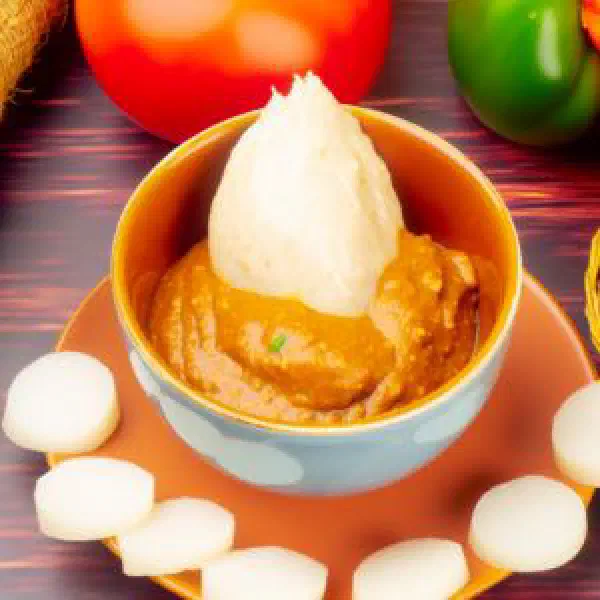
Ngonguenha adapts beautifully to personal preference. Vary the quantity of spices to make it milder or hotter, and choose your side dish to suit the occasion: rice or Funge are the two classics, though couscous or polenta both work nicely as alternatives. Adding a vegetable side brings more colour and nutrients to the plate and turns the stew into a fuller, more balanced meal.
Ingredient substitutions
If you have no peanuts to hand, other nuts such as cashews or almonds will give you a similar creamy texture. For a sharper, hotter note, add chilli or fresh ginger to the pot. Passata can replace the fresh tomatoes if you prefer a thicker sauce, the same trick that gives Molho Cru its body. These swaps let you shape Ngonguenha around whatever is available in your kitchen.
Drink pairing ideas
A number of drinks suit Ngonguenha and complement its hearty character. A cool, light lager works particularly well against the richness of the peanut sauce, while a fruity white wine offers a fresher alternative. For something alcohol-free, a homemade fruit juice or sparkling water with lemon makes a reviving choice. Any of these will round the meal out and keep it feeling balanced rather than heavy.
Serving and presentation ideas
Presentation makes a real difference to Ngonguenha. Serve it in deep plates or bowls so the sauce is shown off properly rather than spreading thin across a flat dish. A scattering of fresh parsley or coriander adds both a splash of colour and a bright, fresh note against the richness. Arranging the sides carefully around the stew completes the picture and turns a humble one-pot into something worth photographing.
A bit of history
Ngonguenha is rooted deeply in Angolan tradition and is a symbol of the country’s rich culinary influences. The pairing of groundnuts and beef reflects what has long grown and been raised locally, and it shows just how varied Angolan cuisine really is. The dish was originally served on special occasions, to welcome guests and to bring the community together around one pot. That tradition makes Ngonguenha far more than a meal: it is a testament to culture and belonging, much like Muamba De Galinha at a family gathering.
More recipe ideas
Summary: Ngonguenha
Ngonguenha offers a distinctive combination of aromatic peanuts and tender beef that has earned it a place as an absolute classic of Angolan cooking. The interplay of savoury and gently sweet notes carries you straight into the rich culture of Angola. With a wide range of side dishes and possible adjustments, Ngonguenha can be enjoyed in many different ways. It is straightforward to prepare and leaves plenty of room for creative variation that will enrich your cooking.