National Dish Antigua and Barbuda: Cassava Bread (Recipe)
In this article
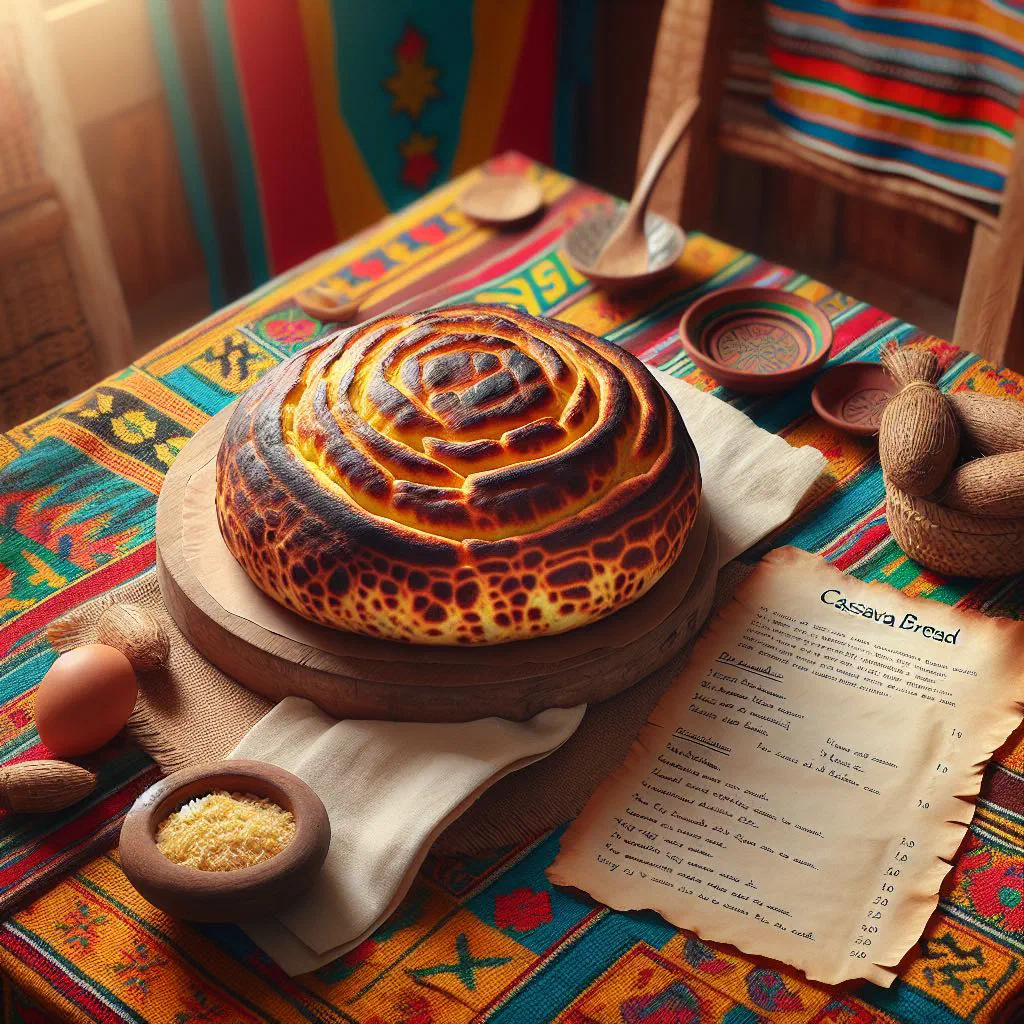
Discover Cassava Bread, one of the oldest and most enduring staples of Antigua and Barbuda. Made from nothing more than grated cassava root, salt and water, this naturally gluten-free flatbread has a gentle, nutty character and a satisfyingly firm bite. It works beautifully as a side with stews and grilled fish, or simply torn and spread with something sweet or savoury. Few recipes carry so much Caribbean history in so few ingredients.
About Cassava Bread
Cassava Bread is not only delicious but genuinely significant in Caribbean cooking, and nowhere more so than in Antigua and Barbuda. Made from the cassava root, it is naturally gluten-free and therefore ideal for anyone with a gluten intolerance. Its unmistakable nutty flavour and its versatility have made it a favourite companion to all sorts of dishes. Cassava bread offers an authentic taste of the islands and sits comfortably alongside other traditional staples such as Antiguan Fungi.
Ingredients (serves 1–2)
- 2 cups grated cassava root
- 1/2 teaspoon salt
- 1 cup water
- 1 tablespoon oil (for the pan)
Shopping for the ingredients
The ingredients for cassava bread are available in most local supermarkets as well as in Asian and Caribbean grocers. Make sure the cassava root is fresh and free of any mould, as this has a direct effect on the quality of the finished bread. If you cannot find fresh cassava, cassava flour is a reliable alternative that makes the preparation considerably easier. For the oil you can use either vegetable oil or coconut oil, the latter adding a subtle extra layer of flavour.
Preparing the dish
Before you start making cassava bread, it is important to peel the cassava roots thoroughly and grate them well. A box grater or a food processor will both do the job. Make sure the grated cassava is properly drained so that any excess liquid is removed. This is what gives the bread the right consistency and allows it to cook evenly in the pan.
Step-by-step instructions
- Put the grated cassava root into a bowl and mix it with the salt.
- Slowly add water until you have a mouldable, workable mass.
- Heat a pan with oil and spread the mixture over it evenly to form a flat round.
- Cook over medium heat for 5–7 minutes on each side, until golden brown.
Gluten-free / lactose-free version
One of the great advantages of cassava bread is that it is naturally gluten-free, since it is made entirely from cassava root. It also contains no animal products, which makes it suitable for anyone who is lactose intolerant. Because the oil used contains no dairy either, the recipe stays completely plant-based. You can therefore be confident that this dish suits a wide range of dietary needs.
Tips for vegans and vegetarians
Cassava bread is an excellent choice for vegans and vegetarians, as it contains only plant-based ingredients. To vary the flavour, you can work herbs or spices such as garlic powder or cumin into the mixture. This gives the bread more character and improves its nutritional profile. Grilled vegetables or a bowl of hummus make fine accompaniments, as does a fresh Avocado Salad.
More tips and tricks
To achieve the best consistency for your cassava bread, getting the amount of water right is crucial. Start with less water and add more as needed, aiming for a mixture that holds together without turning sticky. Keep an eye on the heat too, so the bread browns evenly rather than catching. Let the bread cool briefly after cooking before you cut into it. It will hold together far better that way.
Adapting the recipe to your taste
One of the finest qualities of cassava bread is its versatility. You can easily adjust the recipe to your own preferences by adding different spices, or even a little cheese for a richer version. Dried herbs or a pinch of chilli work particularly well if you like a sharper, spicier result.
Ingredient substitutions
If you cannot get hold of cassava root or cassava flour, other gluten-free flours such as rice flour or plantain flour make good substitutes. These flours bring their own interesting flavour combinations to the bread. The choice of oil can vary as well: use olive oil for a Mediterranean twist, or palm oil for a more traditional taste. Plantain lovers will also enjoy the same ingredient in Plantain Chips.
Drink pairing ideas
A number of drinks go well with cassava bread. A fresh Caribbean fruit juice, such as mango or pineapple, brings out the flavours of the bread beautifully, and a glass of Tamarind Juice does the same with a tangier edge. For those who prefer something alcoholic, rum cocktails are a fitting choice that harmonise well with the nutty notes. Alternatively, plain sparkling water is always a refreshing option that leaves the flavour of the bread untouched.
Serving and presentation ideas
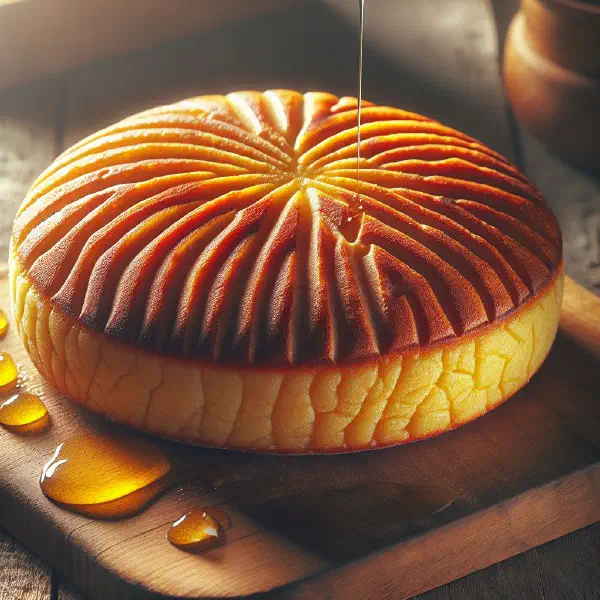
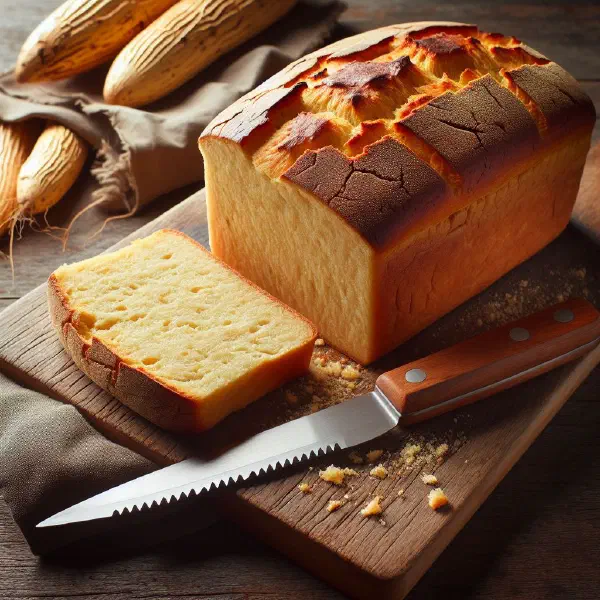
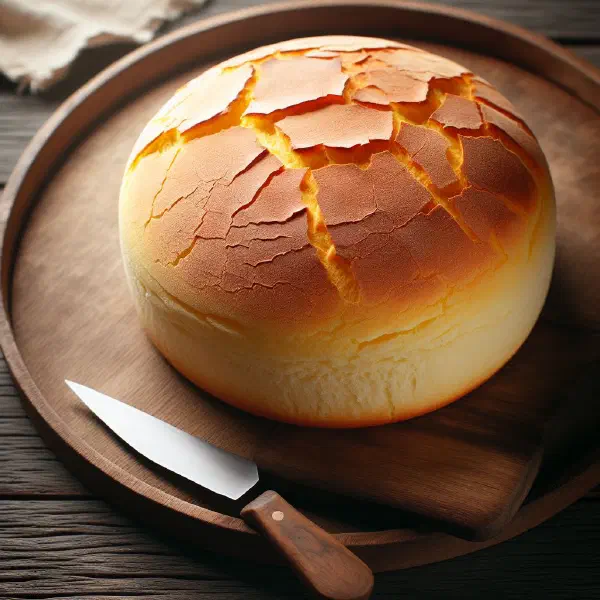
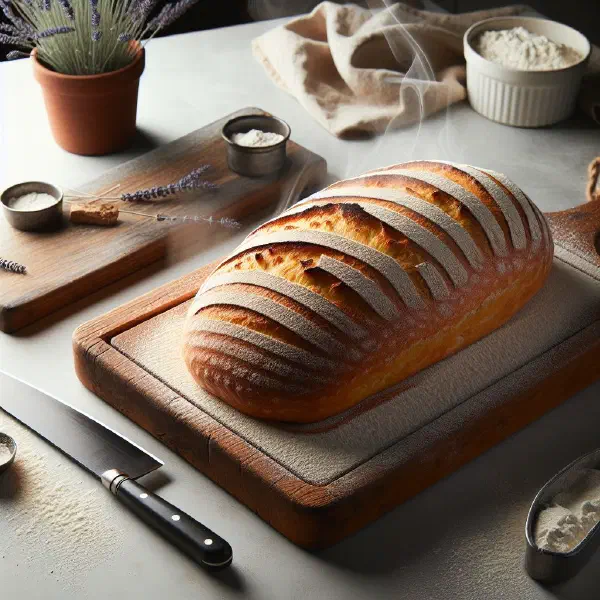
To present your cassava bread impressively, cut it into pieces and serve it on a rustic wooden board. Garnish the bread with fresh herbs or edible flowers for a welcome splash of colour. Offer several spreads or dips in small bowls alongside to create an inviting spread. This simple but stylish presentation will pleasure your guests and turn any meal into an occasion.
A bit of history
Cassava bread has a long history in the Caribbean. The cassava root originates in South America, where indigenous peoples used it as a staple food. As Caribbean culture spread, the recipe reached Antigua and Barbuda, where it became an essential part of the everyday diet. Making cassava bread is often a communal event and the knowledge is passed down through generations, much like the rest of Antiguan cuisine.
More recipe ideas
Summary: Cassava Bread
Cassava bread is a simple, wholesome and gluten-free recipe that captures the flavours of the Caribbean islands perfectly. With its nutty note and its versatility in the kitchen, it is a dish that belongs in every Caribbean cook’s repertoire. Making it is a pleasure and it brings something joyful to the table. Give it a try and let the aromas of the Caribbean win you over.