National Dish Antigua and Barbuda: Curry Goat (Recipe)
In this article
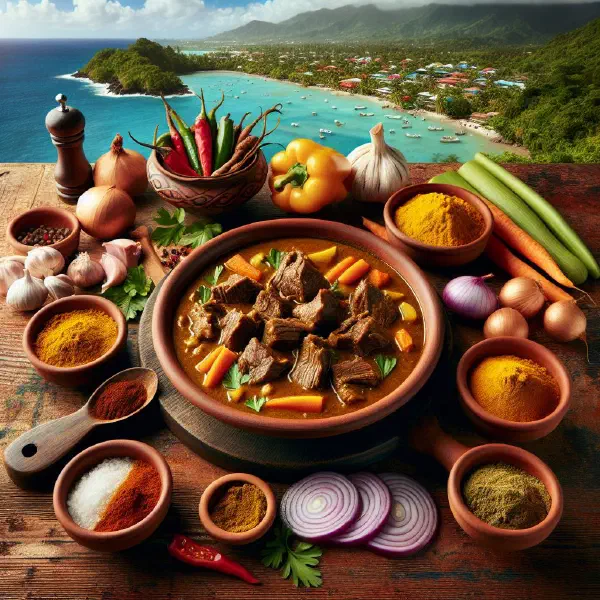
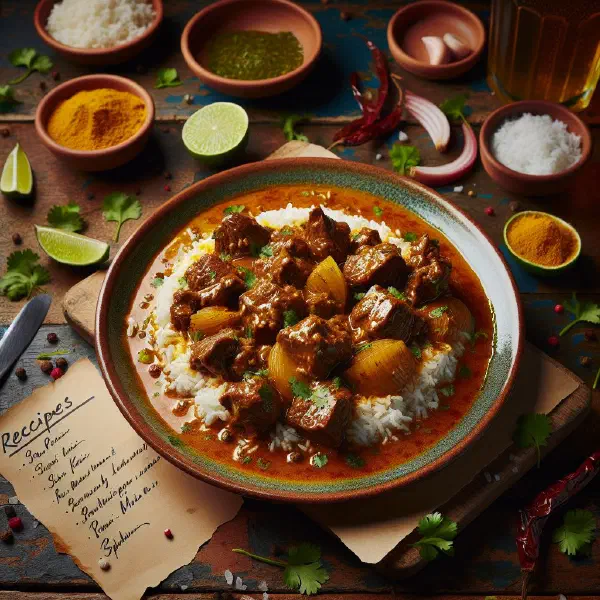
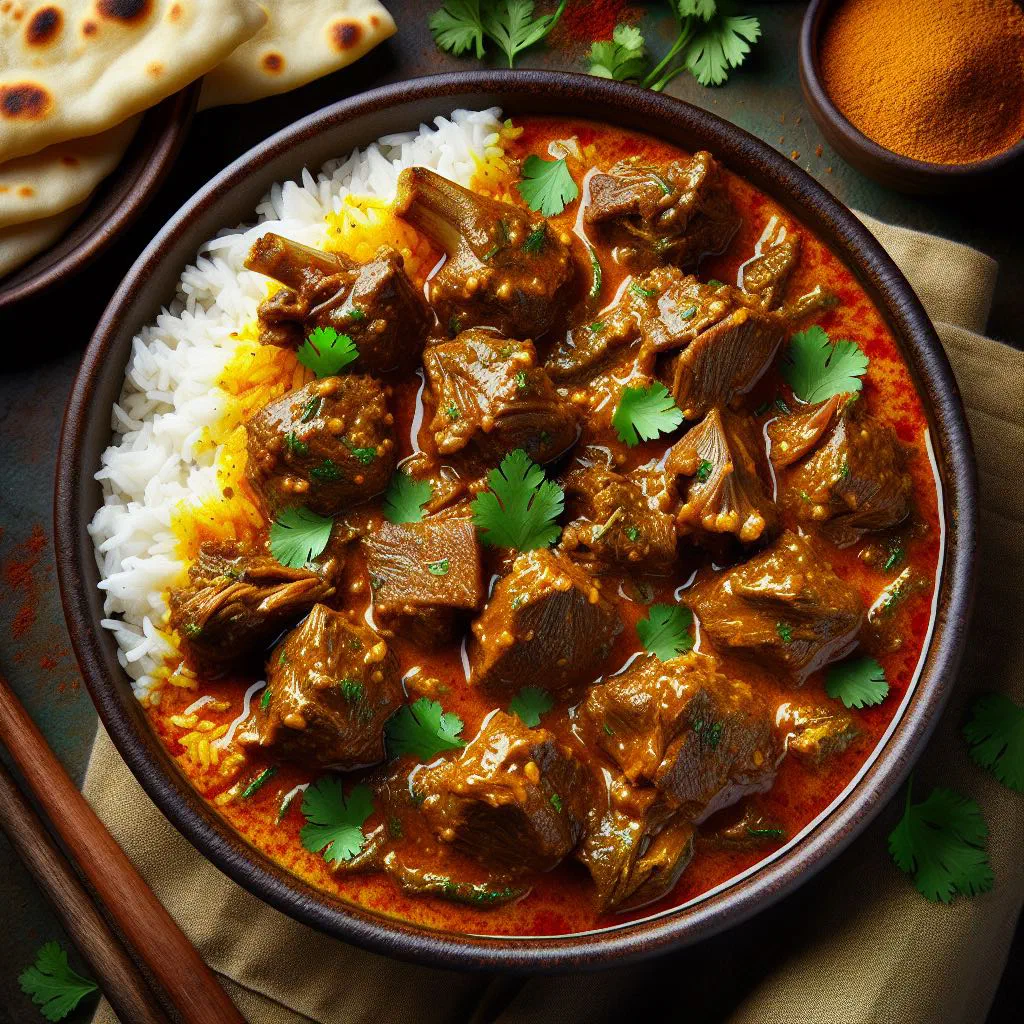
Few dishes say Caribbean Sunday table quite like Curry Goat. Tender pieces of goat are slowly simmered in a golden, fragrant sauce until the meat all but falls apart, with coconut milk smoothing out the warmth of the spices. It is a dish that rewards patience rather than skill: once the pot is on the hob, time does most of the work. This is the recipe to reach for when you want the food of Antigua and Barbuda in its most generous, celebratory form.
About Curry Goat
Curry Goat is a traditional dish rooted in Caribbean cooking, and it holds a particularly cherished place on the islands of Antigua and Barbuda. The recipe brings together tender goat meat and a whole range of aromatic spices that give it its unmistakable character. The harmonious blend of cumin, turmeric and coriander produces a marvellous burst of flavour. The dish is widely seen as an expression of the region’s rich culinary heritage and is a much-loved family meal.
Ingredients (serves 1–2)
- 500 g goat meat, diced
- 2 tablespoons curry powder
- 1 onion, chopped
- 2 cloves of garlic, chopped
- 1 piece of ginger, grated
- 1 green pepper, diced
- 1 tin of coconut milk
- Salt and pepper to taste
- 1 tablespoon vegetable oil
- Fresh coriander leaves, to garnish
Shopping for the ingredients
When shopping for curry goat, the quality of the goat meat matters more than anything else. Many markets and butchers stock fresh goat, which is ideal for this dish. The spices should be fresh too, so they can release their full aroma. Look out for a good curry powder and fresh herbs to get the very best from your cooking.
Preparing the dish
Preparation begins with marinating the goat meat so it takes on the flavours properly. Combine the goat with the curry powder, salt and pepper and leave it to sit for at least 30 minutes. In the meantime, chop the vegetables and set them out ready to use. This makes the cooking itself far easier and ensures every ingredient goes into the pot at the right moment.
Step-by-step instructions
- Heat the vegetable oil in a large pot and fry the chopped onion, garlic and ginger until fragrant.
- Add the marinated goat meat and brown it on all sides.
- Stir in the green pepper and the curry powder and mix everything together well.
- Pour in the coconut milk, bring to the boil, then reduce the heat.
- Let the dish simmer for at least an hour, until the meat is tender, stirring occasionally.
- Garnish with fresh coriander leaves and serve.
Gluten-free / lactose-free version
Making curry goat gluten-free and lactose-free is straightforward, since all the main ingredients are naturally free of both. Do check spice blends when you buy them, though, as some contain gluten-based fillers. This version makes the dish accessible to anyone with an intolerance, so every guest at the table can enjoy the full aroma and flavour without a second thought.
Tips for vegans and vegetarians
For vegans and vegetarians, curry goat is easily reworked into a plant-based version. Instead of goat, use chickpeas or aubergine, both of which offer a similar substance and texture. They take on the same spices beautifully, so the traditional flavour survives the swap. An added bonus is that these variations usually cook faster and take up less of your time, much like a lighter Pawpaw Stew.
More tips and tricks
A few extra tricks will make the dish even better. Experiment with different spices to add your own signature. A pinch of cinnamon or a little cayenne pepper can lend the curry real depth. Let the pot rest for a while after cooking, too, so the flavours have time to marry. This alone can improve the eating experience considerably.
Adapting the recipe to your taste
Any recipe can be tuned to personal preference. If you like your food hot, add more chilli or pepper. For a milder result, cut back on the curry powder. You can also adjust the quantity of vegetables to bring in extra flavour and nutrients. Letting your own taste shape the cooking makes the whole process far more interesting and much more personal.
Ingredient substitutions
There are plenty of alternatives you can use in this recipe. Chicken or tofu works well in place of goat if you want to vary the dish, in the same spirit as a Cassareep Chicken. For anyone who dislikes coconut milk, oat or almond milk makes a workable stand-in. That flexibility makes it easy to adapt this traditional dish to different tastes or allergies without losing its essential character.
Drink pairing ideas
The right drink can lift the whole meal. An aromatic curry goat goes superbly with Caribbean cocktails or a cold, refreshing beer. A light Chardonnay or a Sauvignon Blanc also complements the flavours nicely. Homemade lemonade or coconut water make a refreshing accompaniment that balances the spice, as does a chilled glass of Sorrel Drink.
Serving and presentation ideas
Good presentation adds a great deal to the pleasure of curry goat. Serve it in a colourful bowl and garnish with fresh coriander or slices of lime. For an extra splash of colour, scatter over some red, yellow and green vegetables. Remember to serve the curry with rice or flatbread on an attractive plate, Coconut Rice is a natural partner, so the whole meal looks as good as it tastes.
A bit of history
The history of curry goat runs deep in Caribbean culture. A mingling of African, Indian and European influences produced its distinctive combination of spices. The dish is often cooked for celebrations such as weddings and birthday parties. It is delicious and a symbol of community and belonging, which is precisely what gives Antiguan and Barbudan cuisine its warmth.
More recipe ideas
Summary: Curry Goat
Curry Goat is a delicious, deeply aromatic dish that reflects the essence of Caribbean cooking. With simple ingredients and a handful of well-chosen spices, it becomes something quite memorable. Whether as a hearty supper or as part of a festive buffet, curry goat brings the flavours of the Caribbean straight to your table. Give the recipe a try and let its variety and warmth win you over.