National Dish Antigua and Barbuda: Pawpaw Stew (Recipe)
In this article
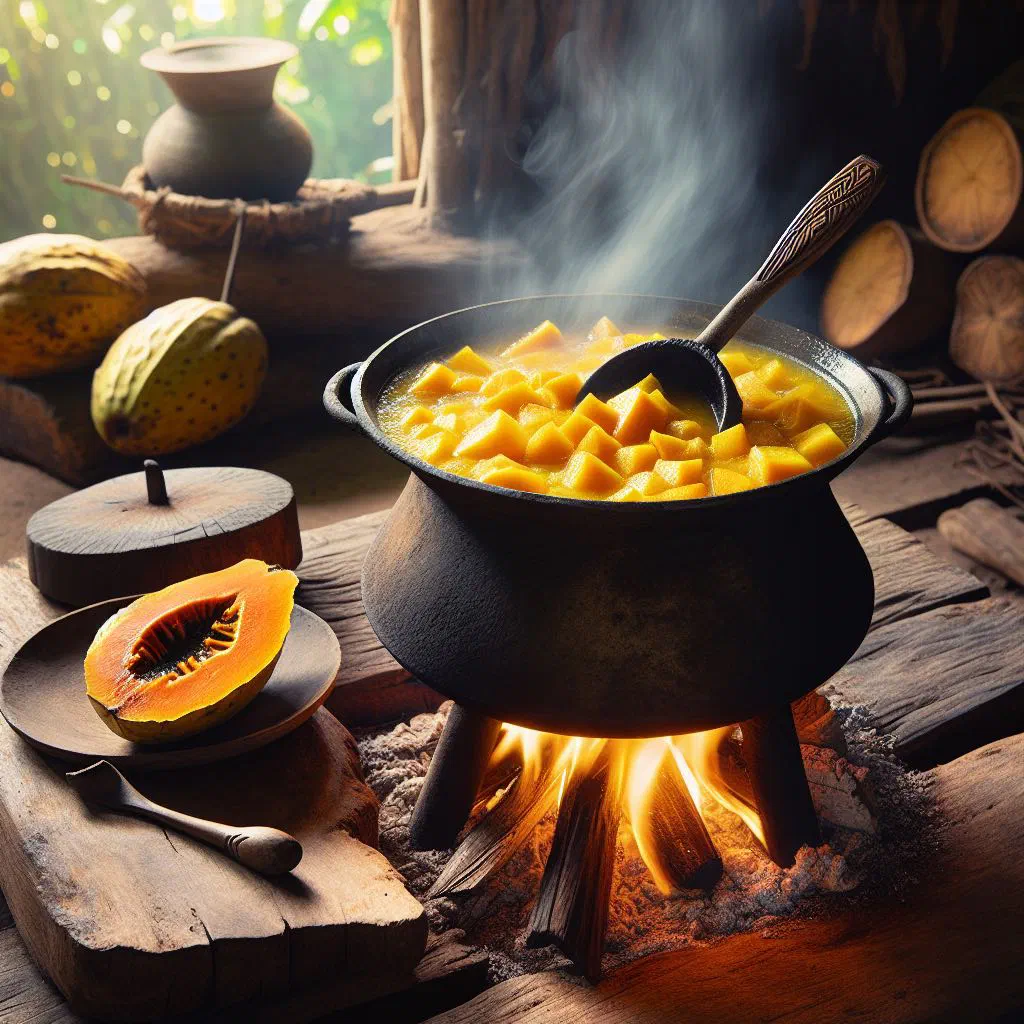
Meet Pawpaw Stew, the fragrant national dish of Antigua and Barbuda. Ripe papaya simmers alongside sweet peppers, carrots and warm island spices until the whole pot turns golden and mellow. It is light, wholesome and surprisingly quick to put together, and because it leans entirely on fruit and vegetables, it suits vegans, vegetarians and anyone avoiding gluten or lactose. One spoonful and you are on a Caribbean veranda.
About Pawpaw Stew
Pawpaw Stew is a traditional dish from Antigua and Barbuda that holds a special place in Caribbean cooking. It brings together the gentle sweetness of fresh papaya and a range of savoury ingredients, and more and more food lovers are discovering just how well that contrast works. The dish reflects the cultural mix of the islands, and the generous use of spices and aromatic herbs makes every mouthful an event in its own right.
Ingredients (serves 1–2)
- 1 ripe papaya, washed and diced
- 1 onion, chopped
- 2 cloves of garlic, finely chopped
- 1 pepper (red or yellow), diced
- 1 carrot, sliced
- 2 tablespoons olive oil
- 2 teaspoons curry powder
- 1 teaspoon ground cumin
- Salt and pepper to taste
- 500 ml vegetable stock
Shopping for the ingredients
When shopping for pawpaw stew, look for fresh, good-quality produce above all else. Local markets are the best source of ripe papayas, which tend to be sweeter and better ripened than supermarket fruit. Pay the same attention to fresh herbs and whole spices, since they carry most of the aroma. These small choices are exactly what give the finished dish its authentic Caribbean character.
Preparing the dish
Before you start cooking, it pays to get everything ready. Wash the vegetables and cut them into evenly sized pieces so they cook at the same rate. The papaya should be ripe and juicy, that is where the flavour comes from, and it is worth handling it gently so the cubes hold their shape. Lay all the prepared ingredients out within reach of the hob and the cooking itself becomes quick and effortless.
Step-by-step instructions
- Heat the olive oil in a large pan over a medium heat.
- Add the chopped onion and fry until translucent.
- Stir in the garlic, carrot and pepper and cook for a few minutes more.
- Sprinkle over the curry powder and cumin and stir well to coat.
- Add the diced papaya and fry for a further 2–3 minutes.
- Pour in the vegetable stock and bring to the boil.
- Reduce the heat and let the stew simmer for 20–25 minutes.
- Season with salt and pepper and serve.
Gluten-free / lactose-free version
Pawpaw stew is naturally gluten-free and contains no lactose at all. The only thing worth checking is the stock, since some manufacturers add wheat-based thickeners, choose a certified gluten-free vegetable stock and the dish is safe to serve. That makes it an easy choice for guests with allergies or intolerances, who can enjoy the full aroma without a single substitution elsewhere.
Tips for vegans and vegetarians
Pawpaw stew is already an excellent dish for vegans and vegetarians, since the ingredients deliver a nourishing combination of vegetables and fruit on their own. To deepen the flavour, add extra spices such as turmeric or a little chilli. You can also vary the vegetables according to season or preference, greens such as Sauteed Callaloo fold in beautifully towards the end of the simmering time.
More tips and tricks
For a heartier pot, stir in beans or chickpeas, which add protein and a pleasing bite. Experiment with different spice blends until the balance suits you, and scatter fresh herbs such as coriander or Thai basil over the stew just before serving for a burst of freshness. A side of Coconut Rice turns the dish into a full meal. Let your imagination lead and enjoy the range of flavours on offer.
Adapting the recipe to your taste
Pawpaw stew adapts readily to your own preferences. Add more vegetables if you like a chunkier pot, or ease back on the spices for a milder result. The papaya itself can be swapped for mango or pineapple to open up new flavour combinations, the same tropical sweetness that carries Black Pineapple Salsa. Just remember to adjust the cooking time whenever you change the fruit or vegetables, so everything softens evenly.
Ingredient substitutions
If one of the ingredients is not to your liking or simply not to hand, there are good alternatives. Courgette or aubergine stand in nicely for pepper and enrich the stew in their own way. Vegetable stock can be replaced with chicken stock if you are not cooking vegan, though that changes the character of the dish. Be creative with your swaps, but keep the fruity note of papaya firmly at the centre.
Drink pairing ideas
Refreshing drinks suit pawpaw stew perfectly. A classic Caribbean cocktail such as a piña colada or a mojito complements the spices beautifully, while an ice-cold fruit juice or a homemade smoothie works just as well. For something non-alcoholic and local, try Tamarind Juice or simple coconut water, which cools the palate between spoonfuls.
Serving and presentation ideas
Presentation makes a real difference to how pawpaw stew is received. Serve it in brightly coloured bowls and garnish with fresh coriander or parsley. A squeeze of lime juice just before serving lifts and brightens the whole dish. Using colourful vegetables and arranging them thoughtfully in the bowl gives the meal a festive look with very little extra effort.
A bit of history
Pawpaw stew has deep roots in Caribbean cooking, where fresh produce and creole spicing sit at the heart of the kitchen. Its traditional method reflects the many cultures that shaped the islands, indigenous peoples, Africans, Europeans and later Asian settlers, each of whom left a mark on the region’s larder. That layering produced a cuisine that is varied, distinctive and delicious, and pawpaw stew is a symbol of the fusion. Explore more of this heritage in the wider world of Antigua and Barbuda cuisine.
More recipe ideas
Summary: Pawpaw Stew
In short, pawpaw stew is a delicious and nutritious dish and a genuine expression of Caribbean diversity. With a handful of simple, fresh ingredients and a well-judged mix of spices, it is easy to recreate at home. Try different variations, play with the vegetables and spices, and enjoy the aromas as you bring a piece of the islands to your own table. It is a dish that rewards curiosity every time.